Home Blog Page 19

Loans in Nigeria, Where and How To Apply – ExpertsNG

Top Places To Apply For Loans in Nigeria 

Accessing loans is one of the major necessities in Nigeria. 

To get an idea of what sort of loans are available in Nigeria, we decided to find out what funding options are available in the country. We conducted a search on various finance websites and compiled our best picks into this post.

There are so many organisations that grant loans in Nigeria. Some of these organisations are either owned by the Government or owned by private individuals.

This article lists the very functional, top 50 organisations in Nigeria that give loans out.

1. Bank of Agriculture (BOA)

The Bank of Agriculture is a Nigerian government-sponsored bank that provides loans, credits, and other forms of funding for farmers and farming businesses.

They provide products and services such as Agro-processing facilities, Export finance facilities, and many others. They can award loans up to NGN 5 million Naira, and their interest rate is between 7% and 21%. 

To apply for a loan at the BOA, you must first:

  • Have collateral
  • A duly completed application form
  • Three recent passport photographs
  • A current copy of utility bills
  • An initial deposit of NGN 3000
  • An existing farmland
  • A signed letter from the bank 
  1. Bank of Industry(BOI)

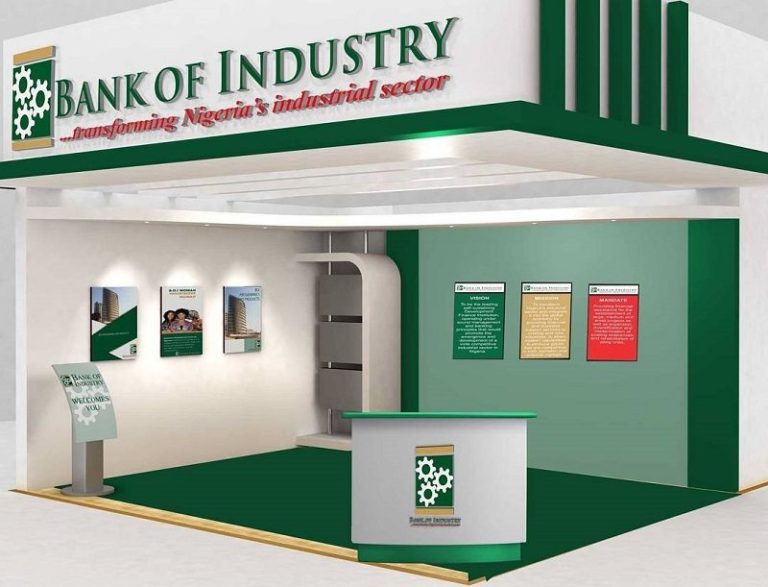
The Bank of Industry Limited (BOI) is Nigeria’s oldest, largest and most successful development financing institution. It was reconstructed in 2001 out of the Nigerian Industrial Development Bank (NIDB) Limited, which was incorporated in 1964. The bank took off in 1964 with an authorized share capital of 2 million (GBP).

The BOI’s core mandate is to provide financial assistance for the establishment of large, medium and small projects as well as the expansion, diversification and modernisation of existing enterprises; and rehabilitation of existing ones. 

Once you meet its requirements, accessing loans from the BOI is not so cumbersome, the BOI is one of the best sources of funds available to Nigerian businesses.

Development Bank of Nigeria (DBN)

The Development Bank of Nigeria (DBN) was conceived by the Federal Government of Nigeria (FGN) in collaboration with global development partners to address the major financing challenges facing Micro, Small and Medium Scale Enterprises (MSMEs) in Nigeria.

As the name implies, this bank disburses loans to SMEs. DBN loans can be accessed through PFIs, which include Commercial Banks, Microfinance Banks, Development Finance Institutions (DFIs) and other Financial Institutions.

DBN loan repayment tenure is flexible (up to 10 years with a moratorium period of up to 18 months) and the interest rates are on a market-conforming and fully financially sustainable basis.

How to get a DBN Loan

You can access the DBN loan through any of these Participating Financial Institutions (PFIs) by contacting any of the banks listed below:

Access Bank PlcOnyinyechi.Uba@ACCESSBANKPLC.com,
CorporateFinance@ACCESSBANKPLC.com,
Oreoluwa.Adeyemo@ACCESSBANKPLC.com,
Omotolani.Ketiku@ACCESSBANKPLC.com,
Moses.Osondu@ACCESSBANKPLC.com
Ecobank Nigeria Bank PlcEbere Onyenweaku – eonyenweaku@ecobank.com,
TOLARINDE@ecobank.com
Fidelity Bank PlcOsaigbovo Omorogbe – osaigbovo.omorogbe@fidelitybank.ng,
Jennifer.David-Ake@fidelitybank.ng,
Chiwuike.Okere@fidelitybank.ng
To get a loan, Click Here
FCMB LtdOluremi Agboola – Oluremi.Agboola@fcmb.com,
George.Ogbonnaya@fcmb.com,
Toyin.Ajibulu@fcmb.com
To get a loan, Click Here
First Bank Nig LtdDBNFUNDS@FIRSTBANKNIGERIA.COM
GTBanklucia.jaiyeola@gtbank.com,
kelvin.biiranee@gtbank.com
To get a loan, Click Here
Providus BankEnyinnaya Akagha – eakagha@providusbank.com
Stanbic IBTC Bank PlcUmeasala, Damian – Damian.Umeasala@stanbicibtc.com,
Ojosipe, Ayodele – Ayodele.Ojosipe@stanbicibtc.com
To get a loan, Click Here
Sterling Bank Plcbusinessbanking@sterling.ng
Union Bank of Nig Plcaoordia@unionbankng.com,
aebassey@unionbankng.com,
SMEProduct@unionbankng.com
To get a loan, Click Here
Wema Bank PlcOlolade.Adekunle@wemabank.com,
Arthur.Nkemeh@wemabank.com
To get a loan, Click Here
AB Microfinance Bank Nigeria Ltd Oladapo.Ikupolati@ab-mfbnigeria.com,
Olukorede.Ekundebe@ab-mfbnigeria.com
Accion Microfinance Bank LimitedNdubuisi Onuoha – nonuoha@accionmfb.com,
Adetokunbo Elliot – aelliot@accionmfb.com,
Emeka Uzowulu – euzowulu@accionmfb.com,
uchukwu@accionmfb.com
Addosser Microfinance Bank Olusola Howells – howells.olusola@addosser.com,
deji.sobulo@addosser.com,
oluwaseun.adekanbi@addosser.com
Astra Polaris MFB Onifade Abimbola – abimbola.onifade@astrapolaris.com,   info@astrapolaris.com,
Baobab Microfinance Bank Achenyo Oyibo – aoyibo@baobab.bz,
cgwehi@baobab.bz
Bosak Microfinance Bank Toyin Peters – toyinpeters@bosakmfb.com,  teepeeters@gmail.com,
FrancisAtiri@bosakmfb.com
To get a loan, Click Here
Davodani Microfinance Bankjohne.ologe@davodanimfb.com,
aayotomi@davodanimfb.com,
ayodejitomi@yahoo.com,
soyebisi@davodanimfb.com,
ufelix@davodanimfb.com
FSDH Merchant BankAyodele Akinwunmi – aakinwunmi@fsdhgroup.com
HASAL Microfinance Bank bukola.afariogun@hasalmfb.com,
njoel-ezeugo@hasalmfb.com
To get a loan, Click Here
Infinity Microfinance Bank Ltd Oludotun Adewunmi – g.adewunmi@infinitymfb.com,   oludotunadewunmi@yahoo.com,
s.ogunniyi@infinitymfb.com
Infinity Trust Mortgage BankAbiodun Akanbi – abiodun.akanbi@itmbplc.com
Jubilee Life MortgageKushiro Roli – rolikushimo@jubileelifeng.com
La Fayette Microfinance Bank Limitedeodetayo@advans-lfmfb.com
LAPO Microfinance Bank LtdEfosa Aigbe – efosa.aigbe@lapo-nigeria.org,
hope.ogbe@lapo-nigeria.org
Mainstreet Microfinance Bank LtdAdegoke E. Adegbami – aadegbami@mainstreetmfb.com,
midris@mainstreetmfb.com,  midris@mainstreetbankmfb.com
Microvis Microfinance Bankoolaiya@microvismfbank.com,
oaustin@microvismfbank.com,
eokpanachi@microvismfbank.com
NPF Microfinance Bank PlcRotimi Dada – rotoyin1159@gmail.com,  rdada@npfmicrofinancebank.com,
cwosu@npfmicrofinancebank.com,
chima_wosu@yahoo.com
Parallex Microfinance Bankabimbola.akande@parallexbank.com,
femi.otenigbagbe@parallexbank.com
Regent Microfinance Bankfatima.rufai@regentmfb.com
Seedvest Microfinance BankKehinde Oyeleke – kehinde.oyeleke@seedvestgroup.com,  oyelek@yahoo.com,
omololaakinjoko1@gmail.com,
jannybee1@live.com
Stanford Microfinance BankVincent Aluu – nellyvingroup@gmail.com
Trust Microfinance Banktrustmfb@yahoo.com,
debanjajayi@gmail.com,
Sodiyasamusideen@yahoo.com
Source: DBN

NIRSAL Microfinance Bank

The NIRSAL microfinance bank is a CBN licensed institution that offers loans for developmental purposes, mainly to households and MSMEs. 

NIRSAL Current Loan Products:

  1. Agric Small Medium Enterprise Scheme (AGSMEIS)
  2. Anchor Borrowers’ Program (ABP)
  3. NIRSAL Access Target Savings Accounts (NAT)
  4. COVID-19 Support

And a host of others. Kindly Click on the link above to get more details on NIRSAL loans and services.

NIRSAL Loan Criteria: 

  • Valid Employment letter
  • Staff identity card
  • Payslip
  • Six months statement of accounts
  • National ID card of any form
  • Utility bills
  • Passport photographs and other relevant documents. 

The Nigerian Export-Import Bank (NEXIM)

The NEXIM Bank is mandated to help provide loans to facilitate export goods and services from Nigeria. Only Business owners and organisations related to exporting activities are required to access loans at the bank. NEXIM Bank provides products like direct lending, foreign input, local, and other related services

Small and Medium Enterprise Development Agency of Nigeria (SMEDAN)

SMEDAN is charged with granting loan access to MSMEs; it provides schemes such as the commercialisation empowerment initiative, conditional grant scheme and other empowerment schemes for growing business owners. 

How To Invest in the Nigerian Stock Market [Beginner Friendly]

147

The stock exchange serves primarily as a market for raising capital by channelling the savings of investors into productive ventures, as well as a market for selling securities to other investors who will buy them for cash, which reduces risk and maintains liquidity.

All listed and trading parties are required to comply with the strict rules, listing requirements, and statutory requirements imposed by stock exchanges.

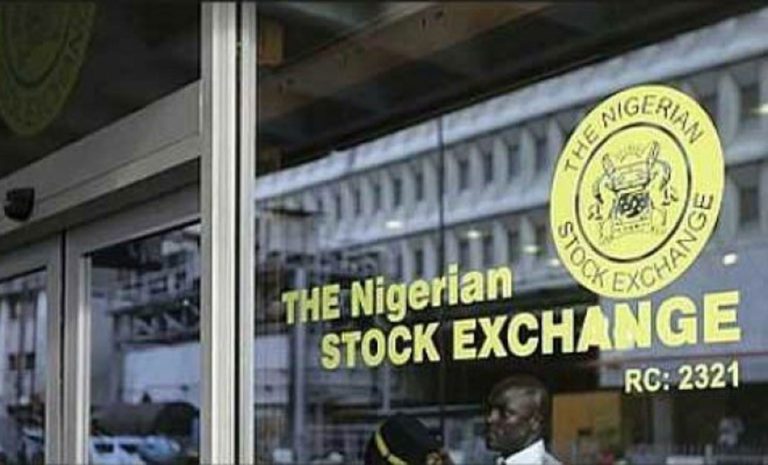
NSE (Nigerian Stock Exchange) provides all citizens of Nigeria and foreigners an equal chance to trade Nigeria stocks. If you have been hearing a lot about investing in Nigeria stocks but not sure how to go about it, this article is for you. By the way, the Nigerian stock exchange market is one of the most developed stock exchanges in Africa.

Nigerian Stock Exchange (NSE) began as the Lagos Stock Exchange in 1961. In 1997, it was renamed to Nigerian Stock Exchange. As of today, over 169 companies are listed on the Nigerian stock exchange market.

Read Also: The eNaira website goes live ahead of official launch

What are stocks or shares?

Stocks or shares represent ownership in a corporation or company. When you own shares of a company, you own a part of its asset and earnings.

All shares held outside of a company by external investors are defined as outstanding shares. For instance, if a company has 500,000 shares, holding 50,000 shares would mean owning 10% of the company.

Companies or corporations can be either public or private. Private companies are generally owned by a few people, including founders, investors, or management. As a public company, regular people can participate in the business by purchasing shares as part of an initial public offering or by directly buying stock from the company’s promoters or founders.

Meaning of stock trading

Elon Musk and Aliko Dangote, for example, are shareholders in Tesla and Dangote Group, respectively. The easiest way to own a portion of a company is to buy its shares.

The value of these shares keeps fluctuating depending on several factors, including the performance of the company. An act of frequently purchasing and selling stocks to make a profit is called stock trading.

Read Also: Forex Trading for Beginners [A Detailed Guide]

How does stock trading work?

While the act of frequently purchasing and selling stocks to make a profit is called stock trading, if you accumulate the stocks for an extended period, then that is stock investing. A day trader generally buys and sells stocks the same day.

Companies are only allowed to trade publicly on a stock exchange if they are public companies. As a result, the general public and outside investors are allowed to invest in them. Companies can use this method to raise capital to expand their business or to raise money for a public offering. New companies must first register themselves with an exchange through an Initial Public Offering (IPO).

The most common ways to earn income as an investor are through dividends from a company or speculating on share value such as day trading or value investing on the stock exchange.

Shares of any listed company can be purchased and sold via the stock market for varying prices.

A company may not participate in stock trading but can buy back its own shares or issue new shares.

Globally, there are several stock exchanges. In some countries, there are multiple exchanges, such as the US, which has Nasdaq and Dow Jones. However, there is only one stock exchange in Nigeria, the NSE (Nigerian Stock Exchange). The 169 companies listed on the Nigerian Stock Exchange have a market capitalisation of ₦29.5 trillion as of 8th September 2020.

How to start trading stocks in Nigeria

Follow these simple steps to start trading on the NSE.

1. Research Your Preferred Stock Broker Thoroughly

In the financial world, a stockbroker is able to buy and sell securities on behalf of investors. This person acts as the investor’s agent. Stockbrokers will work with firms that are members of the NSE and registered with the Securities and Exchange Commission (SEC). Consider the following when choosing a broker or dealer:

  • Accessibility.
  • The cost of their services.
  • The company’s NSE/SEC status, whether it is active or inactive.
  • The integrity and reputation of their company.

2. Open an account with your preferred stockbroker

The Nigerian stockbrokers use a registration form that clients fill out online or manually. Additionally, you must provide Know-Your-Customer (KYC) documents. The following KYC documents are required:

  • National ID or passport
  • An electronic signature and a passport size photograph
  • Proof of residential address through your utility bill receipt
  • Non-Nigerian residents will be required to provide proof of their residential address and passport.

After registering with a stockbroker, you will receive an account number through which you can easily see all your transactions.

Read Also: CBN says businesses in Nigeria must accept eNaira

3. Deposit Funds to Your Account

You should receive bank details from your broker as soon as the account has been opened so that you can deposit funds. Your local bank can walk you through the process of sending money to your broker.

4. Send your first trade order

Once you’ve researched and found a Nigerian stock that you would like to purchase, contact your broker with your instructions. Be sure to specify the limit price for every order you place. This will prevent you from exceeding your budget. After the trade is carried out, your broker will send you a contract with buy and sell prices. 

Settlement of trades or shares takes four days. As a result, if you have sold some shares, you shouldn’t expect payment immediately.

How to invest in the shares of a company

By serving as a marketplace for buyers and sellers, the stock exchange brings buyers and sellers together. Meanwhile, Brokers act as middlemen between stock exchanges and buyers and sellers and charge a commission for executing trades. When an individual owns stocks of a company listed on the stock exchange, they have stakes in that company.

People in Nigeria can invest in any Nigerian public sector company and can also invest in stocks of foreign companies. See how you can go about each:

1. Buying Shares of Nigerian Companies on Nigerian Stock Exchange 

To purchase and sell shares of a public company listed on NSE, you must open an account with a dealing broker registered with NSE. The process is easy and can be completed within 48 hours if the essential details and required documents are provided.

In addition to the brokerage account or stock trading account, you must also have a Central Securities Clearing System (CSCS) account. This system records every security’s ownership in Nigeria. The broker provides CSCS account opening form, which needs to be filled and submitted along with the supporting identity proof documents.

The Clearing House Number (CHN) associated with an CSCS account, which is unique to each registered portfolio, is provided when the account is opened. Once both accounts are opened and the appropriate documents have been submitted, you can start placing orders through your broker to buy and sell stocks.

Read Also: CBN says access to finance remains one of the biggest threats to MSMEs

2. Buying shares/stocks of foreign companies

NSE does not list shares of foreign companies such as Apple, Tesla, Microsoft, and Google. Thus, opening an account with a foreign broker like Robinhood or E-Trade would be required to purchase their shares. Sadly, due to the fact that most of such brokers don’t accept foreign clients, that is also not possible.

The market for foreign stocks in Nigeria has, however, advanced in recent years as several applications have been developed that enable Nigerian traders to buy and sell stocks foriegn stocks. Chaka, Trove, Wealth.ng and Bamboo are examples of some of these apps.

Simply download the app from your app store, set up your account and start trading.

Other FAQS on Nigeria Stocks

Are there transaction fees?

Any time your bid or offer is accepted, you are charged a transaction fee. Regulators charge statutory fees, as do brokers. Brokerage fees vary between 1.5% and 1.8% per transaction while statutory fees are fixed.

Taxes?

Nigeria does not impose a capital gains tax on buying and selling stocks.

How do I clear funds?

The entire process of buying or selling stocks usually takes about four days. NSE clearing and settlement take place in T+3 (trade date plus three days).

How is withdrawal done?

Upon selling equities, your cash remains in the broker’s account until you request a withdrawal, which takes approximately 24 hours to process. If you have an online brokerage account, you can withdraw by visiting the portal and clicking withdrawal. With some brokers, withdrawals must also be confirmed by email before funds are received in your account. The account that will receive your cash is the one you provided when you registered.

Data and information

Having data will help you build a robust stock. Though the Nigerian Stock Exchange doesn’t provide much data, you can start by getting some from other sources. 

Companies provide their results and other corporate information on the NSE’s website. Those companies that fail to comply are fined accordingly. Additionally, you can check the investor relations section of each company’s website.

In conclusion

In addition to capital gains, investing in companies listed on the Nigerian Stock Exchange also allows you to earn dividends. There are three ways for dividends to be paid: cash, stocks (script dividends), or a hybrid of cash and stocks.  Hence, investing in the Nigeria stock exchange is surely a smart move.

Before buying the shares of any company, make sure you do a thorough research on their track record and performance overtime. Do not invest based on sentiments e.g “I know someone in this company so I will buy their shares”. It may end in tears.

Forex Trading for Beginners [A Detailed Guide]

149

Sometime last year, I went into forex trading for the first time in my life. I had heard a lot about Forex trading on the radio, several seminars and workshops here and there. But it has never piqued my interest. In my head, then, I placed it in the same group as those pyramid schemes.

But my stand on Forex changed last year. We are all familiar with the pandemic and its effect on our incomes in 2020. So, in a bid to make quick money to complement my low salary at the time, I decided to give Forex a chance. And that was my first mistake – I wanted to make quick money from Forex.

I made several other mistakes, and that cost me a lot of money. That’s because I didn’t find an article like this that explains forex trading for beginners in a language I understood. Lucky you.

Let’s start with an introduction – what exactly is this forex trading?

What is Forex trading?

Forex is a combination of two words – foreign and exchange. So, Forex is simply a foreign exchange.

Therefore, forex trading is a global market where banks, institutions and individuals trade different currencies of countries worldwide.

Also known as FX, it is a form of quick investment (some people would call it betting) predicting the direction in which a currency would go against another currency to make profit. For instance, some people would have made a lot of money in the last few months predicting the fall of naira against the US dollars.

When a price rises against another, it’s called Bull run, and its fall is known as Bear run. The two names came from the way those two animals attack their opponents. By the way, those are just two of the many terms used in the Forex world. More on that shortly.

Also Read: How to Succeed with Binary Options Trading

How the market works

Exchange of currencies takes place on the foreign exchange market, which is open 24 hours a day, except Saturday and Sunday. In other words, there are no particular forex trading hours as you can trade any time of the day. Foreign exchange trading occurs over the counter (OTC), which means there are no physical exchanges (as there are for stocks). A global network of banks and financial institutions monitors the market (instead of central exchange, such as the New York Stock Exchange).

Forex trading consists primarily of institutional traders, including bankers, fund managers, and multinational companies. However, individuals like you are also able to trade and make profits. But the understanding that the direction the market would go is often influenced by these “big guys” is crucial to your success in Forex trading.

Types of forex traders

There are four different types of Forex traders, and it’s always advised that you choose the type that’s best for you and stick to it. They include:

  • The Scalper

Scalpers are quick traders who want to take advantage of a moving market quickly. Typically, each of their tradings only lasts some seconds to minutes, and they are out. Their main goal is to grab small amounts of pips (see forex trading terms) as often as possible throughout the busiest times of the day.

  • The Day Trader

Unlike Scalpers, Day Traders typically pick a side when they trade early in the morning and going back to end the trade with a profit or a loss at the end of the day. It all ends in the evening – day traders don’t leave their trades to run overnight.

  • The Swing Trader

A swing trader is someone who holds on to a trade for several days to several weeks at a go. To make sound trading decisions, these traders spend a couple of hours every evening analyzing the market.

  • The Position Trader

A position trader is someone who makes trades for an extended period of time, whether it be weeks, months, or years. In analyzing the markets, these traders understand the dominant factor is fundamental themes. They therefore base their decisions on this.

You must make sure the style you select matches your personality.

Constantly altering your trading style will only cause trouble, and will blow your account.

However, as a starter, it’s always best to start with scalping. That way you are able to quickly take profit and limit losses.

How Currencies are traded in Forex

The symbol of each currency is a three-letter code, much like the ticker symbol of a stock. More than 170 currencies are used in forex trading, but the U.S. dollar represents a large part of the activity, so it can be especially helpful to know the code for the dollar: USD.

Second on the list of the most popular currencies is the euro, which is accepted in 19 countries in the European Union (code: EUR).

The remaining other popular currencies in the forex market are the Japanese yen (JPY), the British pound (GBP), the Australian dollar (AUD), the Canadian dollar (CAD), the Swiss franc (CHF) and the New Zealand dollar (NZD).

All forex trading involves the exchange of two currencies. Approximately 75% of forex trading is done in the following seven currency pairs, which are called the majors.

  • EUR/USD
  • USD/JPY
  • GBP/USD
  • AUD/USD
  • USD/CAD
  • USD/CHF
  • NZD/USD

Forex trading terms and meaning

  • Currency pair

Even though currencies are traded there, we can’t buy or sell single currencies on the Forex market. Trades in the market are always made on currency pairs. A currency pair is made up of two currencies – the base currency and the counter currency.

For instance, EUR/USD is a currency pair. By purchasing the EUR/USD pair, we are actually buying the euro and selling dollar. In the same way, when the EUR/USD pair is sold, the euro is sold, and the US dollar is purchased.

  • Major pairs

Currency pairs are typically classified into the major, cross, and exotic pairs. Major pairs are currency pairs that combine the US dollar and any of the other seven major currencies (EUR, GBP, CAD, JPY, CHF, NZD, AUD.)

Also Read: 6 Awesome Ways To Make Money Online in Nigeria | 2021

If you’re just getting started in Forex trading, concentrate on the major pairs, since they offer very low transaction costs as well as sufficient liquidity to avoid high slippage. Some of the major pairs include EUR/USD, GBP/USD, and USD/CHF.

  • Cross pairs and exotics

In contrast, cross pairs consist of any two major currencies other than the US dollar. The transaction costs of cross pairs are higher than those of major pairs, and traders may encounter slippage at times when liquidity is low. The volatility of cross pairs is also higher than that of major pairs. Cross pairs include EUR/GBP, EUR/CHF, and AUD/NZD, for instance.

The exotic currency pairs are those that do not rank among the 10 most prominent currencies in the world, such as the Mexican peso, Turkish lira, or Czech koruna. It is best to leave the trading of these currencies to the professionals, since they are extremely volatile.

  • Exchange rate

All traders follow the exchange rate of a currency pair. The exchange rate is often simply called the price, because it tells us the price of one currency in relation to another. When the EUR/USD exchange rate occurs at 1.15, it means that one euro costs $1.15.

  • Bid/Ask price

During any given period of time, there are two exchange rates or prices for each currency pair – the bid price and the ask price. How do they differ? Essentially, the bid price is what buyers are willing to pay, while the ask price is what sellers are willing to take.

A bid price is always lower than an ask price because of its nature.

  • Spread

You have to pay transaction costs each time you enter into a trade. The bid-ask spread is the main cost Forex traders incur since most brokers no longer charge commissions and fees to place trades. As soon as bulls buy at the ask price (the price at which sellers are willing to sell), they would be at a loss which equals the bid/ask spread.

It is essential to pay attention to the bid/ask spread as a day trader or scalper since it can eat into your profit margins. Position traders and swing traders whose trading focuses on longer-term strategy reduce the spread effect by opening fewer positions and aiming for higher profits.

  • Pip

It is common for Forex traders to use the term “pips” when discussing profits and losses. PIPs are short for Percentage in Points, and they are the smallest increments up or down in an exchange rate. Pip is usually equal to the fourth decimal of most currency pairs.

  • Pipette

Pips represent the fourth decimal place in most currency pairs, but there is an even smaller increment at which prices can change. It is called a pipette, and is equal to 1/10 of a pip, which is 10 pipettes equal to 1 Pip.

  • Going long/short

It is likely that you have heard that you can go long and short in one currency pair. To go long is to buy, while to go short is to sell.

  • Support

In technical analysis, support and resistance are key concepts. Support and resistance trading plays a significant role in technical analysis because technical traders believe that price moves reflect available fundamental information.

In markets, there are many speculators, hedgers, traders, investors and gamblers. Memory plays a role in the fact that humans remember certain price-levels where prices have had difficulty breaking through the past. When the price is going down, this level is known as Support.

  • Resistance

Resistance works the same way as Support, just that it is in the opposite direction. When the price is appreciating, that point where it has difficulty breaking in the past is known as Resistance.

  • Leverage

Traders can profit from rising and falling prices on the Forex market, which is open 24 hours a day. However, another reason why a large number of traders are drawn to the Forex market is leverage.

Through leverage, traders can open larger positions than their trading accounts otherwise would be able to support, and retail brokers in the Forex market offer extraordinarily high leverage ratios.

By way of example, 100:1 leverage enables a trader to place a 100-fold larger position than their initial deposit. That is, with just $1,000, you can open a position of $100,000!

Remember, however, that trading with high leverage is risky since it increases both your profits and losses. As a beginner, you may want to consider trading at a lower leverage until you have gained enough experience.

Also Read: ICT Enabled Online Business Ideas

  • Margin

In leveraged trading, your broker will hold an agreed amount of your account size as collateral for the trade. This collateral is known as “margin”, and its size will be determined by the leverage ratio you’re trading on.

  • Lot size

Profits and losses in dollar value are influenced by the position size you take on the market. One standard lot (standard position size) is equal to 100.000 units of the base currency on the foreign exchange market. As an example, if you buy a lot of the EUR/USD pair, then you’re actually buying 100,000 euros with a pip value of $10.

Trading tips for beginners

  • Start by learning the Basics

That sounds pretty simple, but what exactly are the basics? Understand buy orders, sell orders, what pips mean, and what stop losses and take profits are. Also, be familiar with forex trading tools and forex trading app. They are the very basics of trading that you will utilize every day and something that you should learn from early on. Following these basics will provide a good foundation for your strategy.

It is possible to get this information from various sources, including some free guides on the web, mentors, and both free and paid courses. However, to learn consistently, it’s essential to get your information from a single source. Babypips is a highly recommended place to learn all of these.

  • Come up with your Strategy

Finding a strategy online and following it may seem simple, but unfortunately, that is not exactly the best approach. Initially, it may work, but when things don’t go as planned, you won’t know what went wrong, and since you are unfamiliar with the strategy or how it works, you won’t know how to adjust it to meet the changing needs of the market.

After you have gained some of the basic knowledge we discussed above, you can start creating your own personal strategy. Trading plans and strategies consider everything, including your risk, your profits, and the currencies to use. As a personal rule book, it tells you how to enter the markets and how to exit them.

  • Get the best broker for you

It is understandable that it can be quite confusing to decide which broker to use as there are so many out there, and so many people constantly promote the one they are currently using.

Choosing a broker is all about matching up your strategy with the features of the broker. For example, if you have a strategy that will take small profits, then you do not want a broker that has very big spreads.

  • Begin with a demo account

After all is said and done, start trading with a demo account. A demo account allows you to trade live in the market without committing any of your money. This way you are able to test all your different strategies and see the results before investing your money. 

Almost all brokers offer a demo account so just sign up with one and begin trading. Some brokers even offer some sort of promo with their demo account – if you are able to make a particular amount of profit on demo account within a specific period, the profit will be added to your live account when you finally fund it and start trading.

In conclusion

Forex trading is highly profitable and risky at the same time. It takes serious caution to not lose money at first. However, if you painstakingly follow the tips in this guide, then you are good to go.

On a final note, make sure you don’t allow greed to get the best of you. The easiest way to lose money in forex is to be greedy. Learn to know when to close a trade and take your small profit. And avoid the temptation of trying to grow $50 to $1000 in three days – you will end up losing blowing up your account.

And oh, avoid pyramid schemes disguised as Forex!

Do you have more questions on forex trading? Or perhaps you have some experience and want to share some tips? Do leave a comment.

RECOMMENDED ARTICLES

CBN says businesses in Nigeria must accept eNaira

2

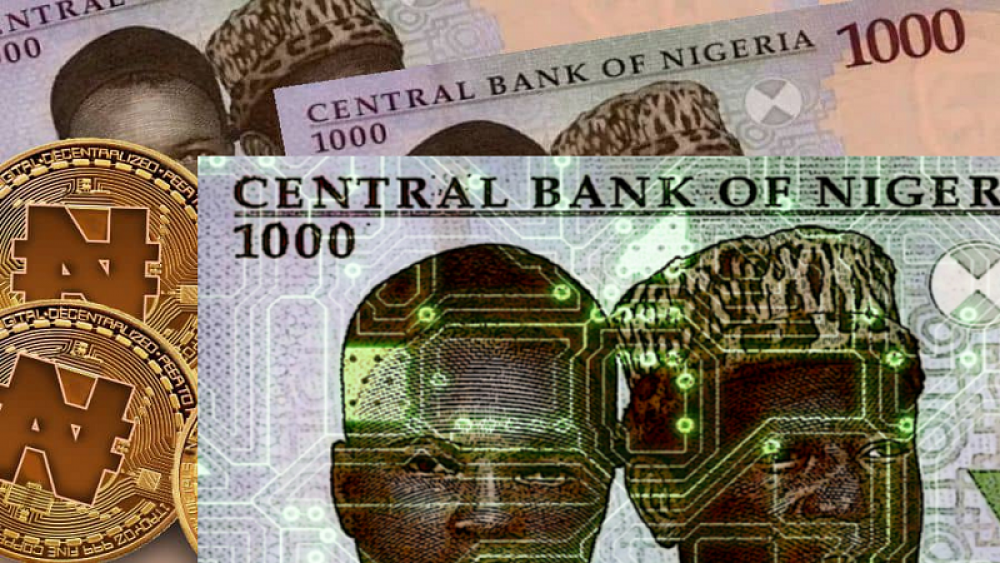
The Central Bank of Nigeria (CBN) Director of payment system management, Musa Jimoh, disclosed during an interview on Channels TV’s ‘Business Morning’ show Monday that Nigeria’s digital currency, eNaira, is a legal tender just like the naira that must be accepted by all merchants and business outlets as a form of payment in the country.

“Today, anywhere you present naira to pay, compulsorily it must be accepted because that is our fiat currency. So, the same way naira is accepted that you can’t reject it, is the same way eNaira must be accepted,” Jimoh said.

While urging Nigerians using android and iPhone mobile devices to download the eNaira wallet from October 1 from the application stores respectively, Jimoh said the CBN will bear all liabilities of the digital currency.

“The liability of the eNaira money is directly on CBN which is similar to the cash you hold. The liability of the cash you hold today rests with the CBN. So, it gives Nigerians the opportunity to bank with CBN,” Jimoh said.

Read also: Nigeria Announces Own Digital Currency eNaira in Partnership With Bitt

Asked if Nigeria is ready for the eNaira implementation due to the technological challenges in the country, the official said that he does not expect it to pose any serious problem.

“ENaira is a journey. We don’t expect that on October 1, all business merchants in Nigeria will accept it. We don’t even expect that come October 1, all Nigerians will have eNaira. It is a journey. It will continue to grow,” he said.

eNaira and the CBN

He added, “remember there was a time in this country when you had to practically beg business outlets, merchants and others to accept POS transactions. But we have come to a point where traders now beg for POS terminals.”

Jimoh noted that one of the benefits of the eNaira is that it would save the cost of printing new naira notes, and that charges incurred while transferring funds would be lower for those using the eNaira.

“Today the cost of producing the naira and coins is very high. It costs money to print naira in this country. Now, the minting of eNaira is electronic, so it reduces cost,” he said.

When asked why the CBN chose a foreign firm to collaborate with on this, Jimoh said it had to do with capacity.

He said Bitt Inc. which will handle the project, had done similar projects for other countries and already had the capacity and experience, but that the company would be registered and managed in part by Nigerians while the technological aspect would be handled by the foreign arm.

“What we did is to partner with an entity that has done it, that has that experience because we know that eventually, the system is going to run in Nigeria.”

“So, we also want to domicile some responsibilities here. So, the arrangement is such that you are going to have a Nigerian incorporated company, Bitt Nigeria, which will be running the system,” he added.

Richest Musicians in Nigeria and their net worth 2023

124

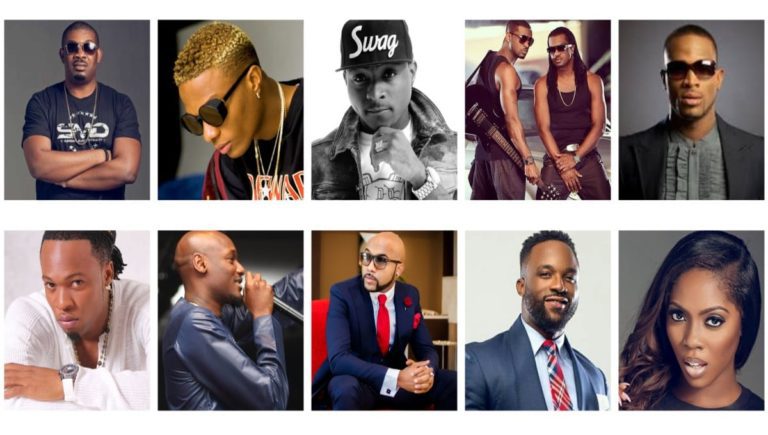
The music industry is one of the greatest business industries in the world today. From Gospel to rap and even traditional, music evolves yearly, as do the rankings of the Richest Musicians in Nigeria and their net worth.

Over the last fifteen years, the Nigerian music industry has experienced a massive turn-up of young talented artists. Nigerian musicians have recently been rated among the best, not just in Africa but on the global scene. Some have made millions and billions of Naira through their albums, hit tracks, and endorsement deals.

If you are a music enthusiast, you might be interested in knowing the richest musicians in Nigeria and their net worth. Read on to find out the wealthiest musicians in the Nigerian music industry and their estimated net worth.

1.   Wizkid – Net Worth $30 million

Wizkid has taken the number 1 spot as the richest musician in Nigeria. Wizkid’s real name is Ayodeji Ibrahim Balogun. He was born on 16th July 1990. He started his musical career in 2009 with Empire Mates Entertainment E.M.E records owned by Banky W.

Aside from being a national treasure, Wizkid has featured numerous international artists such as Tinie Tempah and Drake. He recently won the award for Best Music Video at the 63rd Annual Grammy Awards in 2021 for featuring as a lead artist on Beyonce’s “Brown Skin Girl.”

Wizkid’s net worth and endorsement deals

Wizkid has made lots of money not only from making music but from signing endorsement deals as well. Wizkid reportedly signed a one-year endorsement deal with Pepsi in 2012 worth a whopping 350,000 USD. It was later renewed for another two years. 

An endorsement deal with MTN and Guinness closely followed the Pepsi deal in 2013. June 2015 saw Wizkid ditch MTN sign a deal worth N128 million with Glo. Today Wizkid has an estimated net worth of N9 billion.

2.   Davido – Net Worth $26 million

Second on the list of richest musicians in Nigeria is David Adedeji Adeleke, popularly addressed by his stage name “Davido”. He was featured alongside other prominent musicians in this list in Forbes Top 10 richest musicians in Africa.

Davido was born on 21st November 1992. He is an African-American and was raised in Lagos. Davido’s interest in music started blooming during his undergraduate years at Oakwood University, where he studied Business Administration. He later dropped out of college and enrolled at Babcock University, where he earned a degree in music.

Davido’s net worth and endorsement deals

One of Davido’s first big deals is a N30 million endorsement deal he signed with MTN in 2012. Later in 2013, Guinness Nigeria signed him to a deal that included performing alongside other top artists like Wizkid, Burna Boy and D’Banj at the Guinness World of More Concert. 

Davido also got signed by Infinix Mobile in 2018, among other deals he signed around that period. With an estimated net worth of $26 million, Davido is undoubtedly one of Nigeria’s richest musicians.

3.   Don Jazzy – Net Worth $18.5 million

Don Jazzy is number 3 in our list of richest musicians in Nigeria. Don Jazzy’s real name is Michael Collins Ajereh. He is from Delta state and was born on 26th November 1982. Don Jazzy is a singer, songwriter, record producer and entrepreneur. 

Don Jazzy founded the record label, Mavins Records on 8th May 2012. Don Jazzy became interested in music as early as 12 years. He started with playing bass guitar and drums. From there, he built a solid career in music. 

Don Jazzy’s net worth and endorsement deals

Don Jazzy has gotten big endorsement deals with top brands such as Sky Vodka and Loya Milk. His deal with Loya Milk was worth N40m. He also has a deal from MTN worth N40m. He is also one of the brand ambassadors of Samsung and Konga. Don Jazzy is one of Nigeria’s richest musicians with a net worth of about $18.5 million.

4.   Burna Boy – Net Worth $17.1 million

Damini Ebunoluwa Ogulu, popularly known by his stage name, Burna Boy, is one of Nigeria’s richest musicians. Burna Boy was born in Port Harcourt on 2nd July 1991. He is a top Nigerian singer, rapper, songwriter and dancer.

Burna Boy’s rise to fame started in 2012 after releasing his lead single, “Like To Party,” from his debut studio album, L.I.F.E. He later signed with Bad Habit/Atlantic Records in the U.S. in 2017.

Burna Boy’s net worth and endorsement deals

Burna Boy has won many awards such as the Best International Act award at the 2019 BET Awards, the African Artiste of the year award at 2020’s VGMA and the Best World Music Album in 2021 at the 63rd Annual Grammy Awards. 

With this much popularity, Burna Boy has also gotten many endorsement deals such as mouth-watering deals with Nigerian Breweries Plc, Globacom, Star Lager Beer etc. Burna Boy’s net worth is estimated at $17 million.

5.   Rudeboy – Net Worth $14.1 million

Paul Nonso Okoye, popularly known by his stage name, ‘Rudeboy’, is one of the richest musicians in Nigeria. Rudeboy was one of the singers from the famous “P-Square” band before the duo went their separate ways. He is a Nigerian singer, record producer and songwriter.

Rudeboy is from Anambra State but was born in Jos, Plateau State, on 18th November 1981. Rudeboy rose to form alongside his twin brother Peter Okoye (a.k.a Mr P). After P-Square disbanded released his solo tracks, “Nkenji Keke” and “Fire Fire”. He later released “Reason With Me”, which generated lots of views on YouTube.

Rudeboy’s net worth and endorsement deals

Aside from singing, Rudeboy owns a record label, Fire Department Inc. Just like other top Nigerian artists, he signed quite a number of endorsement deals with different brands. Paul with his brother had endorsement deals with Olympic Milk and Globacom with customized cars to their names. Rudeboy has an estimated net worth of $14.1 million.

6.   Mr P – Net Worth $12.5 million

Peter Nonso Okoye goes by the stage now Mr P. He was one of the duos that formed the now-defunct P-Square band. Peter Okoye is Paul Okoye’s twin brother. Thus it’s not a surprise that he also made it to the list of top richest musicians in Nigeria. He rose to fame alongside his brother, and they made music together until they disbanded their band, “P-Square”, in 2017. 

Mr P’s net worth and endorsement deals

With an estimated net worth of $12.5 million, Peter Okoye is one of the richest musicians in Nigeria. Peter and his brother, Paul, bagged one of the biggest endorsement deals in Nigeria with Glo IN 2010. The deal was reportedly over N100 million. He has bagged endorsement deals with KIA Motors, Adidas and Olympic Milk, Skols, MerryBet and MTN Yello.

7.   2Face (Tuface) Idibia – Net Worth $12.2 million

Innocent Ujah Idibia is known by two popular stage names, “2Face (Tuface)” and “2Baba”. He is from Benue State but was born in Jos on 18th September 1975. 2Face Idibia is a Nigerian songwriter, singer, record producer and entrepreneur. He is married to the beautiful actress, Annie Idibia. 

2Baba is one of the most celebrated Afro-pop artists in Africa and undoubtedly one of the richest musicians in Nigeria. He has won five Headies Awards, one BET Award, one World Music Award, one MOBO Award and four MTV Africa Music Awards. He is also a pioneer recipient of the fellow of the school of music by the Music Department of Obafemi Awolowo University.

2Baba’s net worth and endorsement deals

2Face has endorsement deals signed with top brands like the Alcoholic drink, Campari and Globacom. In 2019, 2Face landed a juicy endorsement deal with a real estate company, Pazino Homes and Gardens. He is one of the richest Nigerian musicians, with a net worth of about $12.2 million. 

8.   D’Banj – Net Worth $12 million

Like other names in this list of richest musicians in Nigeria, D’Banj is a popular name in the music industry. D’Banj’s real name is Oladapo Daniel Oyebanjo. He was born on the 9th of June 1980 in Kaduna State.

D’Banj’s net worth and endorsement deals

D’Banj has worked as the brand ambassador for Globacom, Power Fist, Ciroc, Heritage Bank and SLOT. D’Banj has made lots of money from his career and has an estimated net worth of $12 million.

9.   Banky W – Net Worth $10.5 million

Olubankole Wellington is one of the richest Nigerian artistes. He goes by the stage name, ‘Banky W’. Banky W was born on 27th March 1981 in the U.S. He is married to the beautiful and popular Nollywood actress Adesua Etomi.

Aside from making music, Banky W has also delved into acting. One of the popular movies he has featured in his “The Wedding Party”. He has also appeared in T.V. shows like Jacob’s Cross and Shuga. 

Banky W’s net worth and endorsement deals

Banky W has made lots of money from endorsement deals. He has acted as an ambassador and collaborated with top companies like Coca-Cola, Uber, TomTom, Microsoft, MTN, Airtel and Ciroc Vodka. Banky W has an estimated net worth of $10.5 million, making him one of the richest Nigerian musicians.

10. Flavour – Net Worth $9.5 million

Chinedu Okoli goes by the stage name, ‘Flavour’. He is a popular Nigerian artist and one of the richest Nigerian musicians. Born on 23rd November 1983, Flavour is from Umunze in Orumba South Local Government Area, Anambra State.

Flavour works under 2nite Entertainment. His love for music started when he was 13 years old when he used to beat the drum for his local church choir. 

Flavour was later invited to join the professional music company. This spurred him to study music and, from there, started his professional music career. The first album that brought him to the limelight was “Nabania”, where he collaborated with Mr Raw.

Flavour’s net worth and endorsement deals

Flavour has received different awards such as the 2014 Channel 0 Music Video Awards, the Best Traditional Artist and Video of the Year (with his Ada Ada). 

Just like other prominent musicians in this list of wealthiest Nigerian musicians, Flavour has signed endorsement deals with brands like Nigeria Breweries, MTN Nigeria, the energy drink, Bullet and Life beer. Flavour has a net worth of about $9.5 million.

RELATED:

CBN governor says abokiFX owner, Olumide Oniwinde, will be prosecuted

2

Coming out of the recently concluded MPC meeting by the Central Bank of Nigeria (CBN), the CBN Governor, Godwin Emefiele Friday, September 17, 2021, referred to Olumide Oniwinde, the owner of abokiFX as an illegal FX dealer who will be prosecuted for acting against the Nigerian economy.

AbokiFX is a website that publishes the parallel market exchange rate of the Naira against other currencies of the world on a daily basis.

According to the governor, Olumide Oniwinde started abokiFX in 2015 and has since milked the economy by taking position, while manipulating the exchange rate. “The CBN act section 2, does make it clear that only the Central Bank can determine the value of the naira, and yet a single individual living in England continues to manipulate the exchange rate and make huge profit which he withdraws through an ATM in London,” Emefiele said.

Read also: 5 ways we think work will change

He stated that abokiFX has been filing the same figures of 1,000 pounds in its financial statements for the past four years, but Oniwinde and the company has over 25 bank accounts in Nigeria with about 8 banks both in naira and dollar with significant turnover.

He also confirmed that the apex bank wrote a memo to banks to provide the information about abokiFX as he stated that the CBN has been studying the activities of abokiFX in the last two and half years.

“There was a particular time I asked our colleagues to call the so-called owner of abokiFX, that we want to understand his model and how he came about advertising those rate, we find him as someone, a Nigerian who lives in England and conducts this nefarious activity on our economy.

“It is economic sabotage and we will pursue him, wherever he is, we will report him to international security agencies, we will track him, Mr Oniwinde, we will find you, because we cannot allow you to continue to conduct an illegal activity that kills our economy.” Emefiele said.

Emefiele reiterated that their preliminary findings suggest that the website was built and is being used purely for the purpose of foreign exchange manipulation and speculations. “They get naira loans, use to purchase dollars, take a position, change the rate over a given period, sell the dollars they purchased and make a profit, this is completely illegal, unacceptable and we will pursue them,” he explained.

5 ways we think work will change

154

Someday, sometime, maybe soon, when vaccination becomes a pop culture, the world may want to reverse to what is now called the new normal. But in its wake, a phenomenon as massive as a global pandemic will leave many things different, including how we work.

High skilled workers whose jobs are computer-based will likely see (already see) the most changes, from physical locations to technology changes and upgrade to the ways productivity is determined. The changes we experience are really going to affect our personal lives to new inventions and the society as a whole.

The changes also highlight a chance to remake how we define work and learn from the mistakes of the past. We listed these changes that may stay after the pandemic:

Read also: The question persists: Are Nigerians ready for the future of work?

Work from home is a permanent phenomenon

If there is going to be a time when work from the office is going to be enforced again, it is not going to be after this pandemic – knowing that many people will continue to work from home. This is because working from home has worked in tremendous ways for both employees and their bosses.

Productivity has hardly been an issue and many of the things we thought won’t work – homeschooling and working – are going to become constant realities.

Working from home allows people to skip their commute – talk about the traffic in places like Lagos – and can give them more flexibility in the hours they work. That is surely deal employees are willing to put their signature on.

The office will be to some other use

The office will still play an important role in people’s work – thought differently. The office will now be a tool in our toolkit to get it done differently. Time in the office will be geared toward collaborative work that’s more challenging at home.

When that becomes normal, we will think of our offices only as shared spaces.

We will pay more attention now to AI, automation, and freelancing

Cliché, but what does not kill you makes you stronger, and that’s when you clean the blood from the fight and move on. A lot of workers lost their jobs in 2020 because companies had to prune their gardens, but it made the freelancing industry bigger.

Also, now we understand that with more automation and artificial intelligence, more barriers to getting work done will become history. So, we are looking at quicker, more intelligent, and possibly even more creative work.

Productivity will be redefined

We used to measure productivity using the time workers spent in front of their laptop acting busy, the time they resumed work, the time they left and their countenance interacting with other co-workers. All that will change.

Productivity metrics will be more qualitative. We will look at productivity using results rather than quantity. That metric will excite workers because attention will now be paid to quality rather than time spent on a task or project.

‘Company culture’ may phase out

We were just beginning to intensify on the concept of company culture before the pandemic came to disrupt our lives. And, because work from home will become a culture, it will be much harder to talk about company culture – after all, workers won’t be working from the same room.

We will observe that workers now limit communication to co-workers they directly work with. So, even if the pandemic goes, that trend may continue. Without interactions with a wide range of people at the company, company culture suffers since people aren’t exposed to the same set of behaviours and values.

Step by step guide on how to get a loan from the bank of Industry

The Bank of Industry (BOI) is a development finance institution (DFI). The BOI is the oldest and largest financing institution dedicated to business development in Nigeria. It succeeded the Nigerian Industrial Development Bank (NIDB), which was first founded in 1964. It was recapitalised and reformed in 2001, becoming the Bank of Industry.

The BOI works in collaboration with some partner institutions such as the Federal Ministry of Industry, Small and Medium Enterprises Development Agency of Nigeria (SMEDAN), the Federal Ministry of Finance, Trade and Investment, the Central Bank of Nigeria (CBN) and a host other public/private sector organisations. Also, BOI sits with other DFIs such as the Bank of Agriculture (BOA) and the Development Bank of Nigeria (DBN).

Also Read: How to Grow Your Business With Renmoney

The main aim of the Bank of Industry is to give long term funding to businesses in the Nigerian industrial sector. It focuses on providing credit to micro, small and medium enterprises (SMEs) and even bigger corporations. Newer companies may get this loan facility, just as it may also be given to existing businesses to diversify, expand, and modernise.

Currently, the Bank of Industry has four subsidiaries including:

  • BOI Microfinance Bank
  • BOI Investment and Trust Company Limited
  • Leasing Company of Nigeria (LECON)
  • BOI Industrial and Development Insurance Brokers

Bank of Industry loan and funding types

Different types of funding are available from the Bank of Industry. Some of the options available include secured loans, asset financing, working capital loans, among others.

Businesses from a variety of industries can access these funds through the BOI. It focuses mainly on agriculture, information communication technology, agro-processing, oil and gas, the creative sector and solid minerals sectors.

In addition to offering competitive rates and relatively long repayment terms, the program provides other support incentives. Loans typically have terms of one to five years (plus). Loans are usually structured in a way that allows for borrowers to enjoy a moratorium period or incubation period during which they are not required to repay.

BOI Products include:

  • ASM Fund
  • Fashion and Beauty Product
  • Bottom of Pyramid
  • Food and Agro Commodity Processing
  • Light Manufacturing
  • Nollyfund
  • Graduate Entrepreneurship Fund
  • Solar Energy
  • On-Lending to Commercial Banks
  • Youth Ignite Program
  • Youth Entrepreneurship Support (Yes) Program

Also Read: 3 things to know before you take in investors

BOI managed funds

Also known as intervention funds, managed funds are monies the federal government, private institutions or individuals set aside to cater for a particular interest or intervene in a specific sector.

Many attractive features are included with these funds, including low or no interest rates, longer tenors and moratoriums, among others.

The Bank of Industry manages a number of these funds directly under several different schemes. In other words, the bank of industry manages the disbursement, implementation, monitoring, and recovery of these funds.

Managed funds include:

  • BOI/CBN Intervention Fund
  • Cement Fund
  • Cassava Bread Fund
  • FGN Special Intervention Fund for MSME (NEDEP)
  • Cottage Fund
  • National Program on Food Security (NPFS)
  • NADDC Fund
  • Sugar Development Council Fund
  • Rice and Cassava Intervention Fund

Therefore, if you have businesses that fall under any of the listed categories, then you should reach out to the bank of industry. Read on to see how you can apply for funds or loans are the bank of industry.

BOI matching funds

Matching funds aim to provide SMEs and larger businesses with increased funding opportunities. These specialized funds are meant to drive economic growth, industrial development, and sustainable development in Nigeria.

Through matching funds, the Bank of Industry works in collaboration with different partner institutions such as wealthy individuals, multilateral organizations and state governments.

Matching funds include:

  • BOI/Dangote Foundation Matching Funds
  • BOI/State Matching Funds

How to qualify for a bank of industry loan

The number one requirement for a bank of industry loan is that your business must be registered with the Corporate Affairs Commission (CAC). It is therefore essential to have a registration number for a Business Name or a Limited Liability Company.

Priority is given to companies in the following sectors:

  • Agro-allied, textiles and leather
  • Solid minerals
  • Polymer-based (wood, plastic, cotton, rubber etc.)
  • Information communication technology (ICT)
  • Foundries

You must also meet at least one of the following general lending criteria:

  • Ability to contribute to Nigeria’s industrial production
  • Materials primarily sourced from domestic sources
  • The industries where Nigeria’s comparative advantage can be leveraged for competitiveness
  • Capacity to expand exports worldwide
  • Manufacturing high-quality products for domestic consumption
  • Initiatives that promote interstate or regional cooperation
  • Integrated projects that can operate within existing supply chains
  • Developing technologies that will be commercially successful and technically feasible
  • Businesses that can employ a large number of people
  • Well-run companies with sound accounting and bookkeeping practices
  • Environment-friendly green projects
  • Women-led businesses

How to apply for a Bank of Industry loan

Applying for a Bank of Industry loan can be done online or in person. The BOI has regional offices throughout Nigeria.

Also Read: How to write a winning grant pitch or proposal

It is expected that you will have to complete a lengthy application process when applying for loan at the bank of industry. Loan requirements will vary from loan to loan. Additionally, the requirements differ according to the size of your business (micro, small or large enterprise) and how much money you are seeking.

As a result, you will need to present some standard documents, such as financial statements, collateral details, an overview of your company, and information about how you intend to use the money.

The following is a list of what you may need:

  • Fill out the loan application form
  • Memorandum and Articles of Association
  • Incorporation certificate
  • Feasibility study
  • Business plan
  • Raw material supply quotation
  • Equipment and machinery supply quotations
  • BVN (Bank Verification Number) and passport photos.
  • Identification documents (passports, driving licenses, and permanent voters cards).
  • Audited financial accounts
  • Certificate of tax clearance
  • Bank statements for a company
  • Information about the security or collateral being offered
  • Statement of current liabilities
  • Contract of lease (if you are operating in a rented space)

Frequently asked questions about BOI

Which items can be financed by the Bank of Industry?

Among the main loans of BOI are for industrial equipment used in manufacturing. Land and buildings are not funded by the BOI. You may seek alternative funding solutions if you have additional working capital requirements.

Also Read: Why Did You Start That Business?

What is the process by which the Bank of Industry disburses loans?

If your loan application is successful, money will not be deposited directly into your bank account. Loans are instead advanced to the vendors and suppliers of the equipment being the money was loaned for.

What is my borrowing limit with the Bank of Industry?

The minimum amount you can borrow is 5 million Naira. Loan requests of up to 5 million Naira can be accommodated through the BOI matching fund platform and its Bottom of the Pyramid scheme (BOP).

Is collateral required by the Bank of Industry?

Yes, you need to pledge some assets as collateral with the Bank of Industry. However, collateral need not be physical assets; alternative forms of security are accepted, such as:

  • A legal mortgage on property
  • Guarantee from the bank
  • Debentures secured by assets of a company
  • Collateral from third parties
  • Third-party or external guarantors
  • Assets pledged previously to other lenders (as long as the BOI’s loan is adequately covered)

Can the Bank of Industry fund my startup?

The bank typically requires pre-existing companies with a track record to apply for a loan, but it does grant startup loans at its discretion. In order for the bank to consider financing a startup, they would need a sound business plan and proof of competence in the chosen industry.

What is the Bank of Industry’s interest rate?

The annual interest rate at the Bank of Industry is typically 9%. However, the exact finance products and schemes will determine whether this is lower or higher. Also, there may be other applicable charges such as appraisal fees, processing fees, and monitoring fees.

What is the term of Bank of Industry?

An average BOI loan term lasts 12 to 60 months. In addition, a moratorium of up to 12 months may also be offered, depending on the exact loan term.

The Bank of Industry approves loans in how long?

A loan will typically be processed in 30 to 40 working days as long as all the required documents are attached. For bigger loan requests, there will be a longer processing time.

Are there any types of businesses that the Bank of Industry supports?

Among the products the BOI supports are:

  • 3D printing
  • Animal feeds
  • Aquaculture
  • Bakery
  • Blocks and interlocking stones
  • Bottled water
  • Ceramics and tiles
  • Chemicals and paints
  • Cosmetics and hair products
  • Dairy
  • Digital printing and multimedia publishing
  • Doors and window frames
  • E-commerce
  • Fashion
  • Fish smoking and drying
  • Food processing
  • Foundries and metal fabrication
  • Fruit juice
  • Furniture and wood processing
  • Gemstones
  • Greenhouses
  • Grocery packaging
  • Healthcare (medical diagnostics)
  • Information and communications technology (ICT)
  • Laundry and dry cleaning
  • Leather
  • Light manufacturing (lube blending, paper, paints etc.)
  • Liquefied petroleum gas and compressed natural gas
  • Meat processing
  • Mechatronics
  • Movie production (Nollywood)
  • Plastics
  • Quarries
  • Recycling
  • Restaurants
  • Roofing sheets
  • Shoemaking
  • Soaps and detergents
  • Solar (off-grid)
  • Technical and vocational schools (offering city and guild certificate)
  • Theme parks
  • Water transportation

In Conclusion

If you are looking for capital to grow your existing business, the Bank of Industry is surely a good place. With this guide, you now know all about the requirements and procedures.

For other sources of funds and capital for small and medium businesses, especially if it’s new, check out this article How to Get Capital to Launch Your Business Ideas.

RELATED ARTICLES

100 days of Twitter ban: Small businesses collapse, others struggle

504

100 days after Nigeria banned Twitter, the microblogging platform has lost about 23.44 per cent out of its 25.52 per cent market share before the ban. This is as other social media platforms like Facebook and Instagram gain massively from Twitter’s losses. According to Statcounter, a global social media statistics platform, as of May 2021, Twitter had a market share of 25.52 per cent in Nigeria, but this has drastically reduced to 2.8 per cent as at August 2021.

This is as Netblocks, a watchdog organisation that monitors cybersecurity and governance of the Internet, said since the ban, the country’s economy has lost over ₦217 billion. The platform said it relied on the booking institution method which uses development indicators, approximated digital economy extent of 0.05 and classic free app GDP impact technique to arrive at its conclusion. 

But, the economy is largely driven by small businesses and those who have incorporated Twitter into their operations are suffering from the ban.

According to the president of the National Association of Telecoms Subscribers of Nigeria (NATCOMs), Chief Deolu Ogunbanjo, many small businesses have collapsed and there are huge job losses in the country.

Nigeria’s president, President Muhammadu Buhari said the ban would be reversed after having reached an agreement with the social media company on a number of issues. But, there are no developments in that light and, it seems the ban will continue until the end of the year.

Businesses, especially Small and Medium-scale Enterprises (SMEs) and governments at different levels continue to bear the brunt of the suspension as the economy continues to take a hit.

In its report, NetBlocks revealed that each hour of the suspension costs Nigeria $250,000 ( ₦102.5 million), bringing the daily loss to ₦2.46 billion.

“Many small businesses have collapsed and there are huge job losses after 100 days. We appeal to the government to have a rethink. 

“With the COVID-19 Delta variant now escalating in the country, the government should not deprive people of access to social media, especially those who get their daily information from the platform. Some peoples’ lives are practically online, so, the government should not kill that space.

“We appeal to them to bring Twitter back as fast as possible so that the economy can bounce back as well,” Ogunbanjo says.

RELATED ARTICLES

3 things to know before you take in investors

As a small business owner, the idea of embracing investors and getting a big check can seem like a complete win for you and your business. In fact, when SMEs want to expand their business, or are going through a financial crisis, they hardly examine their options before they take on investors.

With a $50,000 dollar investment fund, SMEs could give as much as a 30% stake in the company, and before the money is spent, the investor and the founders are already at loggerheads as to how to make profit.

Early and late disputes show the importance of having an intelligent governance structure, such as a board, and outlining the rights an investor has in company decisions. When you decide to add an investor, be sure to clearly understand how much of a stake they’ll have in your company.

Read Also: What is Your Job as a Startup Founder?

First, network

Every small business or startup needs working capital, and that means finding good investors. It is not always about finding who to work with, it is about building smart relationships. It’s important to remember that investors are investing in you as much as they’re investing in the company.

Before you take on an investor for your small business, you should first build and maintain a network. Oftentimes, we find good investors from our network, from family, from friends. It could also be people from secondary school, your university or professional associations.

When investors get in to your company, they are going to be there a while, and they will be there to help you – and guide you – through the difficult times and stages of the business’ growth. But, those kind of relationships take a while to develop.

Talk to your mentor

You can have a series of conversations with your mentor who can give you advice on your journey. Your mentor may be more helpful than getting an investment manager or lawyer.

Understand the agreement

Talking to an investor usually seems it is going to be an easy ride. But, in truth, there are a lot of legal clauses you need to understand and negotiate before you finalise plans to take on an investor.

When on the negotiating roundtable, you won’t get all of these clauses completely in your favour, nor should you. But understanding the implications of the clauses, instead of just signing whatever is put in front of you can be the difference between an investor option that leaves you a multi-millionaire and one that leaves you looking for another job.

While crowdfunding platforms may also be a good way to raise capital, angel investors and venture capitalists are more expensive and tend to be more for technology-based companies than Main Street businesses.

investors provide guidance and feedback, you need them…only at the right time.