It was the middle of February 2021, the Nigerian central bank placed a ban on the use and trade of cryptocurrencies in the country. Identified as the second largest “Bitcoin market” after the US, trading no less than $600 million in the last 5 years (Deutshe Welle, 2020) this singular action was received with a mixture of anger and despair as trading cryptocurrencies has become a source of income for many Nigerians amidst the troubled economy. In the summer of 2020, Nigeria’s interest in bitcoin trading piqued and it became a very attractive investment option.
This was not the first time the CBN moved to control the use of cryptos, the apex bank also asked banks to identify and report individuals and entities trading cryptos within their systems. All of a sudden even people that had never heard about cryptos (especially the younger generation) began to ask questions, they wanted to know more and they even wanted to begin to invest. With no central place to get authentic information, and the national concerns about volatility, fraud and the concept of decentralization, they turned to successful crypto investors, many of whom had no formal knowledge about cryptocurrencies, and learned how to trade mostly on their own.
The Nigerian government also had its concerns about its volatility, fraud and the volume of trade going on, an estimated $4billion (BBC News, 2021) and the impact a loss like that could have on the economy. Nigerians have fallen prey to several Ponzi schemes and the reality is that at almost every point in time, there is at least one scheme that is active and that Nigerians are actively investing in. Cryptocurrency trading was also labelled a Ponzi scheme by the majority of the population who still don’t understand how anyone could invest in anything that was “invented” by an anonymous person and owned by no one in particular.
My Interview
I was approached by Channels Television, in February this year to participate in a panel discussion about the Nigerian cryptocurrency ban (see attached link), where I said it would be better to work to regulate rather than attempt to ban its use and also that the concerns that the government had about fraud or misuse could happen with any other investment scheme and even with fiat currency and though valid did not represent a reason strong enough for it to be banned. I concluded by suggesting that we invest more as a country into educating ourselves and our people about cryptocurrencies so people could make an informed decision about whether to invest or not, also making it clear that there was more to the technology beyond cryptocurrencies.
Peer to peer trading redefined
In spite of the ban, Nigerians continued to trade cryptocurrencies. How you may ask? It was all thanks to the exchange platforms like Binance. This was peer to peer trading on a whole new level as it provided the opportunity for Nigerians to fund and withdraw fiat currency from their wallets with no involvement or interference from the government, and in a way that the banks could not do anything about. Let’s say I wanted to buy Ethereum and all I have is my fiat money, I would;
· Log into my Binance account and go to the list of members looking to exchange fiat money for Ethereum, with the exchange rate clearly spelt out;
· I would then click on the most favourable rate and then their registered fiat account details would appear;
· I would transfer the fiat money to their local accounts and they would confirm this and transfer Ethereum to my wallet address which would have been automatically sent to them by Binance (a time window of 20 mins is allowed to initiate and conclude the transaction) and everyone walks away happy.
Is this safe you may say? Binance acts as a sort of escrow for the crypto and you have direct details for the account you send the fiat currency to and as long as I have used this process and others I know have been using it, there have never been any issues. Poor internet connectivity may delay transfers but they eventually always come through.
NIGERIA’S CBDC
So when I discovered that the CBN was looking to launch its own digital currency, I was first amused and then encouraged, as that made it clear that Nigeria was coming to terms with the fact that the trade and use of cryptocurrencies cannot really be controlled. I spoke with Mr Adediji Owonibi, the Founder and COO of Convexity, one of Nigeria’s foremost blockchain solutions and consultancy firm based in Abuja, Nigeria, who has also worked in conjunction with the IMF and the Nigerian CBN as a trainer and a stakeholder.
Mr Owonibi said he could not believe his ears either when first heard about the Nigerian CBDC but then he attended a stakeholder’s meeting at the CBN and realized it was for real. He also mentioned that after the Cryptocurrency ban, he had several engagements with the CBN where his advice was that they should take a more inclusive approach by focusing on regulating rather than imposing a ban on its use. According to Mr Owonibi, they listened and here we are now, October 1st which coincidentally is also our nation’s independence day is a reality.
When asked about the intricate details about the CBN’s plan, Mr Owonibi mentioned that the CBN intends to conduct KYC via the fintech and exchanges that would house the wallet for the e-naira however conversations around conversion rates, buying and selling of other cryptocurrencies and transfers have not yet been concluded. He mentioned that the major promise is faster and cheaper international remittances and regulatory bodies including the IMF and the World Bank are a part of all the proceedings, also approval has been obtained from the Bank of International Settlements.
I was at a Spectranet office in Lagos to get a MiFi for myself some days back. I’m not saying the exact branch for reasons you will come to find out as you read on.
While I was waiting to be attended to, I brought out my phone to tune in to the Big Brother Naija show and see what was happening. I wasn’t with my earpiece so people could hear what I was watching.
Then I heard someone ask, “where is that sound coming from?” I looked up, and it was one of the attendants looking in my direction. Let’s call her Ayo. I knew Ayo was only asking to confirm her guess that it was me. I reluctantly said “me”, thinking I had violated one of their rules. I was wrong, or maybe she didn’t care about them rules at this time.
With excitement written in caps all over her face, she asked me about three questions in quick succession, leaving me confused as to which to answer first. She wanted to know how I was watching the show on my phone, to confirm if it was with the DSTV app and to ask if I could help set it up on her phone.
Ayo’s job, specifically the new customer who was now waiting to be attended to, didn’t mean anything at this point. She just wanted to have access to her darling Big Brother Naija on her mobile device, and that was all that mattered!
Big Brother is watching the housemates and we are all watching Big Brother
You know it’s the Brother Naija season in Nigeria and some parts of Africa. For most Nigerians, you just have to know it’s that time of the year. There’s no way you’re missing it whether or not you have a TV.
If you don’t watch the show live on the DSTV channel 198, you’d see snippets on social media platforms. When you miss snippets, you will come across different analyses of the entire show or certain housemates. But if you somehow miss it from all of these platforms, then don’t go to the office, school or market as there is always someone talking about it everywhere you turn.
Big Brother Naija can be said to have hit the Tipping Point, in the words of Malcolm Gladwell. The tipping point “is that magic moment when an idea, trend, or social behaviour crosses a threshold, tips, and spreads like wildfire.”
But how did all of these happen? How did an “immoral show” become the talk of town in a country that is so religious like Nigeria?
What Big Brother Naija is doing right that businesses need to emulate
Do not underestimate the power of Influencers
Sometimes you will log in to Twitter and see Don Jazzy ‘randomly’ tweet about something happening in the Big Brother Naija house. Except that it’s not that random after all. More often than not, these celebrities have a deal with the organisers to endorse the show subtly, and that is all the approval some people need to watch it too.
When Big Brother started, not so many people approved of it. Until about a year ago, many people shared the opinion that the show is ‘immoral and should be banned’. While some people still hold that sentiment, the majority now have a contrary view.
And there is no better way to explain this than using a current housemate. Jumoke was introduced as a housemate along with three others two weeks after the show had begun. However, Jumoke had tweeted in April 2020 that “…I would never have seen their BBN if it wasn’t for Twitter. Nigerian reality shows don’t interest me.”
Fast forward to a year later, and she is not just watching but actively participating as a housemate. Is God not wonderful?
This is a practical representation of how people’s views of the show have witnessed a turnaround over time. While many factors can be said to be responsible for this, the importance of getting trusted and recognisable people to talk about the show cannot be downplayed.
There are different types of influencers, and not everyone can afford the A-List celebrities. But there is something for everybody. Read more about influencer marketing here.
Innovate or die!
The world around us changes every time, and to cope with the changes, we have no option but to adapt (innovate)…or die, literally. The same applies to businesses, as we will see with Big Brother Naija.
For starters, when the show first started, housemates had to travel all the way to South Africa. Today, the show is hosted somewhere in Ilupeju, Lagos state. This is one way to look at the innovative moves behind the show.
Also, some adjustments are made to the house after every season based on aesthetics and functionality. Hence, there is no predictability to the show. This may also be based on feedback from viewers. For instance, this season, it’s been pointed out that two toilets for over 20 persons is not good enough. It will come as no surprise if there are more toilets for housemates in the next season.
There is no better place to get inspiration to grow your business than from customers. You literally exist for them, and if the MAJORITY of them ask you to make some changes, who are you to do otherwise?
Sometimes though, your customers won’t come directly to you with suggestions and recommendations. You will have to force it out through surveys and other forms of research to get the words out of them so you can innovate or…
Did you also notice how the BBN organisers of the show went ahead with it in 2020 despite the pandemic? That’s some innovative move, but it’s so special I’ve decided to discuss it separately.
The Ebuka factor: put a face to your business
I laugh when people ask for a replacement for Ebuka as the host of Big Brother Naija. While anything can happen, I don’t see anyone else taking the place of Ebuka on that show anytime soon. Ebuka is the official face of the show.
Imagine Who Wants to be a Millionaire without Frank Edoho. Unimaginable yeah? The same applies here.
For those that may not know, Ebuka has not always been the host of BBN. In fact, he was a housemate in the maiden edition of the show in 2006. However, he has owned hosting BBN over time with his world-class presenting skills and, of course, his fashion sense. Today, when you think of a face for the reality TV show, you think of Ebuka.
Similarly, as a business, you can’t afford to be faceless. Whether you are a small business trying to find your feet on Instagram or you are big with more than 100 staff, your business should have a face. It builds trust and helps with connection.
Partnership/sponsorship
Multichoice are the organisers of Big Brother Naija, but they probably no longer spend a penny in putting the show together. That’s thanks to big monies from sponsors and partners.
And for the first time in the show’s history, there will be no SMS voting in this 2021 season. That can only mean one thing – the organisers got more than enough money from sponsors that they don’t need viewers to add to it this time.
The headline sponsor of the 2021 season is the Abeg app, and they reportedly dropped a whopping 2 million dollars. Convert that to naira to better understand how huge it is. And we are only talking about the headline sponsor; there is still Patricia, the co-sponsor, and a host of others, including o3 cards, Glover, Pepsi, Guinness, Munch it, and Wow, among others.
Why are these brands paying so much to partner with Big Brother Naija? The answer is not farfetched but share what you think in the comments.
Turn challenges into opportunities
No one saw the Coronavirus coming. First, it was in China; then it spread to all other parts of the world, including Nigeria. Businesses were affected all over the world, and many people lost their jobs.
It was unthinkable at a time – that the Big Brother Naija show would be held in 2020. There is no way the organisers were bringing over 20 people into a closed space when even movement was banned. Plus, there has to be a live audience in the Sunday live show, which was also impossible due to the pandemic.
However, with time, the impossible became a debate – to be or not to be. You already how it all ended, as the show did hold against all odds, ultimately producing Laycon as the winner.
This may sound cliche, but the best time to innovate is usually in the face of difficulties. The saying “Necessity is the mother of invention” is no joke. The lockdown helped BBNaija organisers to innovate as that became a necessity.
And how did that go? The 2020 Big Brother Naija season is arguably the most viewed/followed season of the show yet. The lockdown, which was initially a challenge, became an advantage as people were forced to stay at home, increasing viewership.
Conclusion
The Big Brother Naija show is still on, and you probably have a “fav” at this point. Well, may the best man win. However, as you bask in all the excitement, thrills, and drama the show offers, don’t forget to pick some of the lessons mentioned above and see how you can apply them to your business.
Life is give and take, so as you give your time to the show, take these lessons from it. Cheers.
Facebook is the world’s largest social networking site. Anybody can earn money on Facebook, regardless of whether they have a full-fledged business or just one item to sell.
As Facebook has grown, it has become a competitive home for marketing and making money. However, it is common for beginners to misuse Facebook strategies. These people are either learning these strategies from Fake Gurus or not understanding the process.
In any case, selling stuff on Facebook is the primary source of income on the social media platform. You can make money by either selling a product of your own, or you can become an affiliate for someone else’s product.
Affiliate marketing is a good option for beginners who don’t have their own product to sell.
Well, these are just two of the many ways you can earn money on Facebook. In this article, you will find out all the different ways you can make money on the platform. But first, what are the things you should do to set the tone for making money on Facebook.
Making Money on Facebook: What You Need to Do First
You cannot earn money on Facebook in an overnight miracle, nor is it an easy, straightforward process. However, even if there is no financial investment required, you need to put in some energy, diligence, time and be dogged to earn money.
Here are the first steps you should take:
Develop an extensive network of friends
There is a 5000-friend limit on Facebook, so we recommend exhausting the list. Five thousand friend requests will be difficult to send and respond to, so be committed to your goal.
Create a Facebook page and get a lot of likes
The process of creating a page is simple, and it can be done in about 10 minutes. It is, however, more challenging to get people to like and follow it. Pages with buzzing activity are followed by people without being asked. It is therefore crucial for your page to have solid content and to be engaging.
Create a group and grow the members
Next is to create a Facebook group and add as many friends as possible to it. A Facebook group’s most significant advantage is that its members can run it. While it is not necessary for you to constantly post updates, you should maintain the group’s quality by removing spam.
It is important that every post on the group is approved before it is displayed. Followers are always drawn to groups with good content.
To earn money on Facebook, the three steps above are necessary. As a result, you have created a niche for yourself with many regular followers in addition to the audiences that now follow you. All of these are pretty important in making money on Facebook.
Can you sell anything on Facebook?
Not really. Facebook has some exceptions to things you can sell on the platform, and they include:
Alcohol
Firearms
Illicit drugs
Tobacco
Real money gambling products
Animals
Some healthcare products
Facebook prohibits the sale of products that fall in the above-listed categories for some legal and moral reasons.
7 Ways to earn money on Facebook
Develop an app
You could create an app for Facebook if you have an idea for one. You don’t have to be a developer or programmer to do this, as you can hire them to help develop your idea into a Facebook app.
As a part of their college assignments in 2007, a group of Stanford students designed Facebook apps that ultimately made them millionaires. Therefore, get inspired and unleash those creative juices you’ve got!
You can sell products on Facebook Marketplace
The Facebook marketplace was launched in 2007, and it’s like a virtual garage sale where you can buy almost anything for a few bucks. It is possible to list anything for sale or purchase and then wait for offers to come in. In addition, you can also search for potential buyers or sellers in your friends’ networks.
No matter what you want to sell, whether it is that dress you never wore again for an office party or a collection of romantic songs, some buyers will definitely be looking at it.
Social media influencing
Having the habit of sending friend requests first and getting to know people later can be very useful here. In other words, you make friends effortlessly and post consistently in a niche.
To get their products out there, companies are always looking for social media influencers with huge followings. If you have a Facebook page with a relatively high followership, you could help businesses promote their products and services on your Facebook and get paid for it. Apparently, the larger your network on Facebook, the more money you can potentially make from this on Facebook.
By sharing your link on Facebook or following the Facebook page of certain companies and blogs, you will earn entries for their contests. Also, you can join giveaways and contest groups for the latest opportunities.
Many contests are free to enter, so the only thing you must provide is your time. The prizes vary from giveaway to giveaway, but you might win prizes as big as a car, as small as an Amazon gift card, or even a recharge card.
Affiliate marketing
Affiliate marketing and social media influencer marketing are pretty similar. As an exception, you have to choose a product or service from an affiliate network that your friends are likely to find interesting.
This is how it usually works. You will get a link from the affiliate marketing website and post it on your Facebook wall. The link will have a unique code and your affiliate ID. Hence, whenever someone clicks on the link and purchases on the website, you get a commission from the company.
Earn refer-a-friend bonuses
Are there any online services that you absolutely love and want to spread the word about? One of the most effective forms of advertising is word of mouth. Because of this, companies offer referral bonuses when you invite friends via social media.
Share your referral link with others by sending an email invitation or via social media sharing buttons within your account. You get to earn a cash bonus if a friend signs up through your referral link!
Sell likes and shares
That’s absolutely right. It’s relatively new, but yes, you can now sell shares and likes on Facebook. Though the amount per like or share may not be all that, it’s something, and it increases depending on how much you are willing to ‘work’.
Businesses who want their products to appear more credible buy ‘likes and shares’ from genuine Facebook profiles. According to the logic, a Facebook page with several likes and shares gives buyers more confidence in the brand.
Conclusion
There are many ways to earn money with Facebook, and this is merely a small list. The best part is that everyone can find something they enjoy. Facebook will become even more important to us in the future as the digital divide between people closes.
Do you have any experience making money through Facebook? Tell us about it below if you have.
Following what many have described as the “illegal ban” of Twitter in Nigeria, most Nigerians have now turned to VPN to remain connected to the micro-blogging platform. You’d recall that the federal government of Nigeria, through the minister of Information and Culture, Lai Mohammed, suspended the activities of Twitter in Nigeria and directed Nigerian network service providers to withdraw access to the platform.
In case you missed it, here is an attempt to summarise the events that led to Twitter suspension in Nigeria.
Why Twitter was banned in Nigeria?
In 2020, young Nigerians mobilised themselves via Twitter to organise a massive protest against police brutality. This was following several cases of police profiling, extortion, brutality and general unprofessional conduct usually targeting young Nigerians.
Twitter played a crucial role in this protest that President Buhari later described as an attempt to seize power from him. His administration did not find it funny, and their reaction as expected was around how they could control social media. Make that the remote cause.
What would later become the immediate cause was the decision of Twitter to delete the tweets by the official Twitter account of President Buhari following several complaints by Nigerians. The tweet was said to be distasteful and a form of hate speech against a section of the country.
Within 24-48hours after President Buhari’s tweet was deleted, Twitter was banned in Nigeria, and that’s why you now have to read this.
What is VPN and How does it work?
Simply put, VPN makes it possible for people to access the internet securely. Meaning Virtual Private Network, the tool allows users to have protected connection to websites and applications.
What VPN does is it disguises your IP address such that the website or app you are using can’t accurately monitor your activities, steal your data or track your location.
When you connect to the internet through a VPN, you make the VPN your data source. This way, not even your Internet Service provider can tell which websites or apps you are visiting.
Is VPN new to Nigerians?
Well, for many Nigerians, the ban on Twitter is their introduction to VPN. However, a handful of Nigerians have had to use VPN for various reasons before now. Some Nigerians have had to use it in the past to access platforms that were otherwise not accessible to Nigerians such as Spotify (which later opened in Nigeria) and Netflix (to access shows or movies available to other countries).
10 VPNS You Can Use in Nigeria
Whether to gain access to platforms of your choice or to continue accessing Twitter, there are loads of VPNs you can use in Nigeria. However, it can be quite challenging to choose from the hundreds of VPN out there. Also, there are data concerns with some of the VPNs.
Therefore, we have put together a list of 10 safe and effective VPNs for you in Nigeria. Some are free and others are paid for.
Nord VPN
NordVPN can be downloaded from the Nigerian App Store, and its speed is considered one of the fastest compared to others. It’s not free but quite affordable at just $4.89/month. It has a total of 5,200 servers in 62 countries.
Also, NordVPN has a unique feature which is called VPN chaining. Using VPN chaining, your traffic is routed through two servers, each encrypting data twice. Although helpful for security, this feature slows down your connection.
Proton VPN
Proton is available for free with limited services. But to better enjoy Proton, you can upgrade to premium.
Proton is arguably the best among the free subscriptions VPN available. Unlike NordVPN, ProtonVPN’s first subscription tier is a free VPN offering, with three VPN servers (Japan, Netherlands, US). The VPN boasts 1,246 servers in 55 countries.
Unlimited browsing bandwidth is offered through its free subscription but with slower internet speeds. Compared to most other VPN providers, it only supports one connected device at a time and only provides a small number of server locations.
TunnelBear
VPN services are available both for free and for a fee on TunnelBear. With the free version, you are only allowed 500MB bandwidth per month.
The connection speed is decent but isn’t as fast as NordVPN. Users have fewer options with 22 servers deployed across 22 different locations.
TunnelBear is a good option if you rarely use the internet.
Windscribe VPN
The Windscribe VPN includes a free version and 10GB of storage each month, just like TunnelBear. The use of the service is secured and safe. You can use it on a wide variety of devices and streaming services. Currently, it has 180 servers across 63 countries.
IPVanish
IPVanish stands out due to its ability to allow unlimited simultaneous connections. The VPN has 500 servers located in 55 different countries.
It does not have a free version. A year’s subscription costs $77.99, or $10 per month. And if you would prefer to pay for three months, you can do so for $26.99.
Customisation is limited, and its privacy policies are a bit confusing.
CyberGhost
There are more than 15 million users of CyberGhost, which has been around for years. It has over 6,000 servers in over 100 locations in 90 countries. Compared to all other VPNs, that’s a huge number.
Unlike some other VPN services, CyberGhost supports nearly every device out there, but it is pricey. There is a monthly charge of $12.99, a six-month charge of $47.94, and $49.50 for eighteen months. In addition, students are eligible for a student discount, the cost of which is $2.75 per month, and you’ll be required to sign a year-long contract.
Psiphon
Since it does not require an email address, this VPN stands out from the crowd. The free app is available on all platforms (except macOS, Linux, and routers) and can be used immediately. The code is open-source, increasing transparency.
The only downside is that because it’s free, it has a very restricted server network – just a few over 20 countries.
Also, compared to other alternatives, it’s slower. Netflix and torrenting are not supported. This tool explicitly claims not to be a privacy tool.
In addition to being supported by ads, Psiphon also shares statistics with sponsors to determine whether their sites are visited frequently and from which countries. A further breakdown is provided by sponsor, date, and region. After 60 days, Psiphon will delete all data collected.
SurfShark
It has been roughly a year since Surfshark launched. SurfShark runs reasonably fast. It offers a private and secure connection, and it’s available on a variety of platforms.
In more than 61 nations, it has more than 1,000 servers. This is an extensive network for a relatively new service provider and something many VPN providers haven’t yet accomplished despite years of service.
SurfShark can be used on unlimited devices and is priced at $2.49/month for two years.
Private VPN
A great all-rounder, PrivateVPN offers high speeds alongside excellent privacy. Streaming is made possible by the reliable connection and the ability to unblock sites like Netflix. Torrents can also be accessed with it, and it works pretty well in China.
Even though it only has around 200 servers, this is still quite an excellent option. The lowest price per month is $2.08.
HotspotShield
The VPN has a free version, but it’s essentially a premium VPN. Its free version comes with a 500 MB daily traffic limit. That’s not bad compared to some other VPNs with a similar approach.
Conclusion
So, here are the top 10 VPNs you can use to continue to access Twitter and use other platforms of choice. They all have their unique features and come at varying prices. At the end of the day, your choice of VPN will depend on your preferences.
However, as a rule of thumb, the critical criteria to consider when choosing a VPN include security, internet speed, customisation options and user-friendly.
Cryptocurrency is a big opportunity, says the famous crypto masterclass founder, Tola Fadugbagbe.
How big of an opportunity is it really?
Let’s talk through it together.
Many Nigerians are yet to grasp this whole fad about digital currency and its effect on the financial market. Talk more of embarrassing its future. I mean, there are a bunch of people on the streets of Lagos who do not own a bank account and have no interest in any financial institution. Talk more about the number of people that are unaware of the potentiality of cryptocurrency.
This puts the CBN a few steps ahead of many business sectors and individuals that stand to benefit from a future where the currency is digital.
So, how big of an opportunity is the cryptocurrency for Nigerians?
Before delving into the future of cryptocurrency in Nigeria, we must first talk about its past. Only then can one come to terms with the pretended future of cryptocurrency and the consequences of the CBN current restrictions and intended altcoin.
Nigeria Before Crypto
Let’s take a look at a few facts. Before the age of digital currency, Nigeria ranked 26th in the world economy.
Then Crypto came, and it eliminated the limits, and more people could do business online with other countries, and bam! We shot up that ladder and were ranked 16th.
I mean, sending money across countries has always created such a hassle. Sending money into Nigeria became more stressful.
I recently realised I couldn’t pay for services like purchasing an app or renewing my iCloud storage using my local bank’s Mastercard. The stress of finding whose card I could borrow to perform certain international transactions was a real bother, and I realise I could do without this stress.
Talk about the whole stock exchange palava with the Nigerian currency, rich in naira, and broke in the dollar.
Then there is that endless unexplainable deduction from banks and complaints about the limitations of our local currency. These complaints are not particularly peculiar to Nigeria, but they fueled the need for a currency that eliminates these risks.
Benefits Of Cryptocurrency in Nigeria
What’s in it for you and me as Nigerians?
Scalability to How We Spend Money
Imagine being able to do so much with your money and not deal with all the middle management, AKA banks. It may seem like a leap into the past in a certain way where an individual’s negotiating power determined prices. Everyone did whatever they wanted with the money they had in their wallet.
Indeed the ability to deal directly with whomever we are transacting with at any given point is bliss.
Think of the barter system when a man deals directly with customers and clients. None of all that issue where you make a transfer to one bank and both parties get deductions.
But before you say, why try to fix what isn’t broken? You need to understand that banks aren’t exactly monsters, but in an age when we could do more, why settle for less?
Ease of Commerce
I stated earlier that Nigeria’s position in the world economy has since improved thanks to crypto-traders. In the US, Crypto was readily adopted as a form of currency for services and in trade. People converted their hard cash to digital coins, although they had issues given that they were part of the first people to use it on such a scale.
Smart contract
A smart contract creates an insurance policy between traders. The contract serves as an agreement between any individuals carrying out transactions at any given time. Due to the absence of KYC (Know your customer), all coins are first held in a smart contract till the sales have been confirmed before they can be released to the appropriate party.
Volatility
It makes for employment opportunities through crypto trading.
Curbs Inflation
The creator of bitcoin from the origin programmed a limit in the number of coins in circulation. Inflation arises due to excess money in circulation, and crypto curbs these acts from ever happening.
Financial Security
Coins held in wallets increase in value. Let me explain.
If you were on Twitter just before the ban, you’d remember how many people panicked about how fast their coin depreciated. It became scary even to get anyone to invest in cryptocurrency.
What was all the panic about buying or not buying the dip?
There’s a given number of coins that can be in circulation at any given point. If the number is exceeded, the computer automatically deletes the excess, but the price on the coin that’s left increases value.
When people buy and hold their coins, the value increases. But what led to the drop in value was that many people were selling out of panic. It’s the same with the stock exchange market; any small news can influence stockholders to sell their current stock in any company for fear that such a company was losing its value or its sales had dropped, and their returns are no longer guaranteed.
I remember when Snapchat lost its value because people pulled out when Kylie Jenner said she doubts anyone made use of Snapchat.
The Current Problem with Money in Nigeria
For one thing, it costs to maintain money but is Crypto the alternate solution?
Recently I observed my bank statement, and then I told my sister that I was just about done with local banks and all their drama. I may not be big on banks, but I know when something smells phoney.
I remember the joke on Twitter that you could keep as much as seven thousand nairas in your savings account for a couple of months, and when you return, you’d be lucky to find a thousand naira.
It became more and more unreasonable to store money in financial institutions, and this lack of trust drove many to use online banks and eventually cryptocurrency.
With paper money, stockbrokers determine the value of a given currency, and they do this through publicly traded companies listed on the stock exchange. However, Crypto created an avenue for any given individual to deal directly.
One day a naira had equal value with one dollar, and another time, the value dropped to as much as five hundred naira to a dollar.
Keeping assets in Nigerian currency became a problem for many individuals, causing them to risk the idea of a currency that eliminates such issues.
The Problem with Cryptocurrency
Newness
Since it is still a budding concept and is not widely accepted, Crypto has a lot of grey areas.
Now the intent for which Crypto was created and the thoughtfulness in its design has contributed to its immense success. But perhaps its greatest strength has also posed as a great weakness. That’s the lack of KYC (Know your customer).
This enabled the initial users of Crypto to carry out secret and near terrorist transactions and whatnot. It spiked distrust and damaged the image of Crypto in the eye of the public.
Lack of Understanding
The second problem with Crypto can be summed in this conversation from Big Brother Nigeria. While drafting this article, I overheard a housemate talking about his experience as an average Nigerian.
So I’m watching White Money talk about the fact that he doesn’t understand Crypto and has not been open to adopting it as a trading system. He tells his customers that he can accept cash and transfer with a POS but not Crypto because the more his friends post about it on social media, the more confused he gets.
BBN White Money
Here’s a guy hustling like everyone else, giving his opinion on the whole cryptocurrency craze. But who’s to say things can’t take a turn for good.
For business opportunities in cryptocurrency, read this article.
Security Concerns and CBN’s Attempted Regulation on Crypto
Banks weren’t always so secure. I remember when banks foreclosed, and many individuals suffered significant losses, including many famed footballers in Nigeria.
The lack of regulation has also made it problematic for a country like Nigeria that has taken its sweet time to get in line with technological advancement worldwide.
Acceptability
Before money became the accepted legal tender, people had questions and concerns. People still have questions and concerns if any of it was worth it.
However, if we toss government regulations into the mix, cryptocurrency may lose its essence.
This is why many crypto traders kicked against the CBN attempt to bring in regulation to the coin market.
Alternatively, what the CBN and other government currency regulators can do is create an altcoin permissible for trade. This does not impact the use of already existing currencies such as bitcoin.
So we’d then have the centralised coin and then the decentralised coin. A centralised coin refers to any alternate coin that the government or banks regulate, while a decentralised coin refers to the coin whose price is controlled by those who hold it.
Demystifying Cryptocurrency
Bitcoin is a decentralised digital currency that uses cryptography to secure transactions. Bitcoin transactions are recorded in a digital ledger called a blockchain.
I remember my class lessons on money and how the world evolved from the batter system. I remember the drawings of people who buried their money as a form of security, and then they forgot the exact location, or worse, it was stolen. Paper Money was the new wave.- the newly accepted form of trade. Banks were the middlemen. I imagine it must have felt like the dawn of a new age.
I wonder if some might have feared the idea of change.
Then came the idea of a cashless economy, and for some reason, people adjusted to that idea just fine because many of the financial structures they knew were still relevant.
So why the aversion to cryptocurrency?
For a start, many people do not understand the concept of computer-based currency? Some have concerns about hackers and all. Not everyone is tech-savvy.
How about when big players try to control the coin’s price by buying a more significant cut of the number of coins in circulation?
Coin Mining
What does your friend mean when they upload on their status that they’ve been mining coins?
Cryptocurrency relies on supercomputers to perform complex algorithms to ensure that a coin transaction moves from one wallet to another. Such computers require a constant power supply and 24hours access to the internet.
So when a coin is created and is yet to become an accepted currency in the coin market, creators need people to perform simple tasks like sharing a link or making a post on social media to help promote the use of or the knowledge of the coin and the usage of such platforms. For every task performed, such individuals are rewarded with a token informing them of the coin. These individuals are said to be mining for coins, and with time, they hope that when this coin becomes an accepted form of trade, they’d have a good amount in their wallet and sell it for profit.
The second way a coin is mined is that miners own supercomputers that assist in coin transactions. For every number of algorithms the supercomputer performs in a day, the owner receives a fraction of that transaction which is known as transaction charge, not unlike the banks charge on every text alert or Interswitch transaction.
Nigeria’s Current Stand on Cryptocurrency
The primary reason for considering alternate measures for financial assurance has been for security against theft and overcoming the current limitations of the financial institutes.
However, there are so many questions that need to be answered when the CBN plans to step in to regulate the coin market. Who can own these supercomputers if multiple Nigerians opt to embrace this form of trade? Is the cost any different when compared to maintaining current financial solutions such as banks?
With the recorded challenges to promote a cashless economy in Nigeria, how soon will cryptocurrency take over existing tenders? Would Crypto resolve issues like misuse of public funds in Nigeria?
There is so much to answer.
I know that whenever the government feigns to put its finger in any file, the ultimate goal is to see where the money goes and tax it.
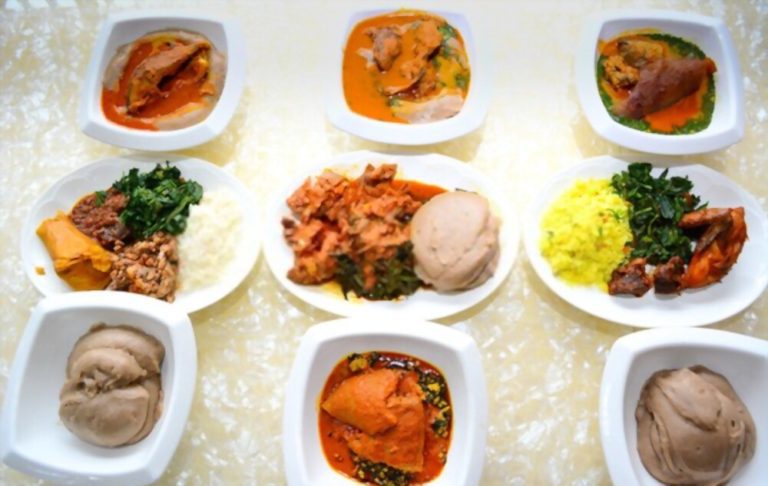
The food business in Nigeria has, without a doubt, become one of the major businesses that one can go into and, within a few months, make a lot of money. This article is an in-depth look into how to start a food business in Nigeria and make it big by doing it right.
Everyone has a basic need for food. Without a doubt, the poor and rich have to eat to survive.
Today’s reality is that most people in Nigeria do not have the skill and time to prepare food in their respective homes. For instance, people living in Lagos have to spend hours in traffic every day; the commute time is so stressful that all they want to do is to find a space to rest rather than go into the kitchen; thus, they would rather spend a fortune on buying food than actually making one.
As a result, casual dining restaurants and fast food spots have become the most preferred destination by many Nigerians. Hence, the business is really booming these days. Lots of money is being made in that industry daily, and you can cash in on it. Read on to see how.
Types of Restaurants and Food Service Businesses in Nigeria
Fast food and Quick Service restaurants
Nigeria currently has a lot of these types of restaurants. While some of them are upscale such as Macdonald’s and KFC, others mainly focus on the common man.
Fast food restaurants have a minimal menu and are sometimes called quick-service restaurants or QSRs. Standard practice is to cook in bulk and to prepare it in advance. The food is then kept warm (or hot) throughout the day.
QSRs are establishments that serve fast food. Usually, customers order food at the counter so they can eat it there or take it home. Aside from fast food, these establishments also offer a variety of quick meals and snacks.
Guess what? Most of the not-so-big fast-food restaurants around are owned and operated by individuals and small businesses. The bigger ones, however, are connected to a franchise or chain operation such as KFC. Here they, provide a standardised recipe that each of that branches uses daily.
When modified, the fast-food restaurants metamorphose into mobile food centres and casual restaurants.
In casual restaurants, customers can sit and wait to be served their orders, and they can get their orders delivered to them. Factory and construction workers enjoy mobile food services (such as food trucks) that park outside their workplaces.
Casual dining restaurants
A comfortable dining option just above fast food locations is the casual dining outlet with a menu that customers can choose from and table service. In this type of restaurant, there is a relaxed atmosphere since clients expect to spend a little time enjoying their dinner, and they are more likely to eat their meals there than to take them home.
Fine dining restaurants
A fine dining restaurant is in the upper range of the restaurant business. It is targeted at people who prefer premium dining and are willing to pay a premium for it.
Located in full-service restaurants, they offer a variety of food, service, and ambience.
Additionally, they can be pretty expensive to open and run and can have a substantial financial impact on you. In addition to the specific meals, the waiters and staff are very well trained, professional, and highly efficient.
There must be a great deal of attention to detail in fine-dining restaurants. Their decor, lighting, layouts, tableware and ambience usually are very elaborate and exquisite.
Ethnic Restaurants
These restaurants serve food from a specific country, culture, or region. In recent years, Nigerians have developed a taste for foreign food, and foreigners have come to Nigeria in higher numbers for business and pleasure. Hence, making this type of restaurant be in high demand.
The most popular ones in Nigeria are Italian, Chinese, Mexican, Caribbean, Thai, French, Indian, German, Japanese, Mediterranean, Korean, Vietnamese and Thai.
How you can start your own food business in Nigeria
In Nigeria’s growing restaurant market, there is a range of opportunities depending on your budget and location. As you prepare to turn this great idea into a brilliant business, there are a few things you should consider.
Step 1: Select a unique concept
To make your restaurant idea come to life, this is the very first step. Restaurants and food services come in many kinds, as we learned in the previous section.
Do you like quick-service (fast-food) restaurants? Such a business can be started with low capital. You could set it up around your home or in a space down the road.
In contrast, you can invest in a fast-food franchise, which is likely to require a significant capital investment.
A fine dining restaurant and an ethnic restaurant are on the other end of the spectrum. For instance, the cost of hiring a professional cook who specialises in Chinese, Italian, Thai or whatever ethnic food you choose will be high if you plan to open an ethnic restaurant.
Also, you should know that starting a fine dining restaurant will be expensive and that you will probably have to hire professionals and experienced staff.
Considering your location and the type of people you will be targeting can help you decide which restaurant to open.
What is their income level?
Can they afford a fine-dining or ethnic restaurant?
Are they like a family-type group, or are they on the move and just want a quick lunch before leaving?
Do they usually take their time with a meal?
Do they work, study, work, or are they elderly?
By knowing your market, you will be able to determine the type of restaurant you will open. Although proper planning and capital are essentials, starting a food business nobody wants would be a disaster.
Step 2: Pick an appropriate location
Whether your restaurant will be successful or fail depends mainly on its location.
Are the type of people the restaurant concept targets located near or around where your site is located?
Suppose you are interested in opening a fine dining restaurant. In that case, your site should be in a part of town that has high-end restaurants and residential areas, as well as people who are likely to patronise your establishment.
What is the location of your restaurant going to be like? Is it easy to get to?
Is there enough space for parking?
Can it handle the number of customers you plan to have?
Does the location seem visible to the public or hidden somewhere in the city?
It’s important to make sure the area you choose is crime-free, and the rent for the location will allow your business to turn a profit.
Step 3: Develop a business plan
Ensure you have all the permits or licenses needed to operate your food business at the location you have selected. While this may differ depending on which part of Nigeria you are in, what is uniform for all is registration with the CAC.
Additionally, you should have a business plan that is not too elaborate or complicated.
You must organise your thoughts on paper, even if you do not intend to seek capital from investors or banks. By creating a business plan, you can quickly identify all the obstacles and other aspects you might not have considered before.
The layout of the restaurant, the capacity, and the seating arrangement must be considered when planning. The menu must be designed, and ingredients and food must be sourced from the best places or suppliers. Also, it’s wise to buy the right equipment (refrigerators, kitchenware, etc.).
You should also plan for the type and number of employees you will need.
It is also essential to consider the competition. What is their number? What are the chances of your restaurant surviving against the competition – Will your food taste better or do you intend to beat competitors with a clean and conducive atmosphere? Will your customer service be exceptional, or do you plan to sell more quality food for a lower price.
After carefully determining the market for your restaurant and setting up shop in the best spot to reach that market, you will begin to see good profits.
In any case, you should keep these three success tips in mind.
Hygiene, food quality, and customer service should never be compromised
Focus on developing a loyal following of customers
Perseverance, hard work, and patience
Conclusion
It’s important to note that anyone can do this type of business irrespective of background and gender. And though it can be pretty stressful at first, it’s very rewarding in the long run.
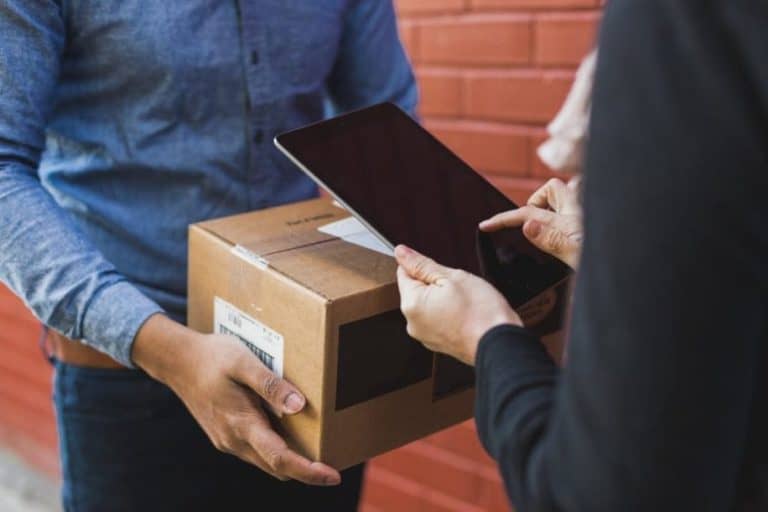
Dropshipping in Nigeria is a highly lucrative business that Nigerians can go into with little capital. With the right amount of hard work and strategy, the chances of success are quite high. A merchant can easily make lots of money, especially with high-end products.
This article is a complete expert guide on how to start a dropshipping business in Nigeria. It contains tips on the types of products to dropship, and tested strategies to help you grow your dropshipping business from the comfort of your home.
Though the article focuses on how to do dropshipping in Nigeria, its content on dropshipping success strategy is universal.
As an entrepreneur, a lot of merchants have asked me several questions about the dropshipping in Nigeria.
With this article, I try to give answers to such questions and more.
Following the how-to guide in the order written, you would have mastered the act of dropshipping in Nigeria and have no reason to find information anywhere else.
Typical Questions on How To Start Dropshipping Business in Nigeria
What is Dropshipping?
According toShopify, Dropshipping is a retail fulfillment method where a store doesn’t keep the products it sells in stock. Instead, when a store sells a product using the dropshipping model, it purchases the item from a third party and has it shipped directly to the customer. As a result, the seller doesn’t have to handle the product directly.
As in retail business, the majority of retailers make their profit on the difference between the wholesale and retail price, but some retailers earn an agreed percentage of the sales in commission, paid by the wholesaler to the retailer.
Does Dropshipping Work In Nigeria?
Yes, dropshipping works in Nigeria. We do have a lot of people dropshipping in Nigeria, and also dropshipping from Nigeria to other countries.
Is Dropshipping Lucrative in Nigeria?
Dropshipping in Nigeria is a very plausible venture; the issue is that most Nigerians do not know how to get started.
With the number of wholesalers in Nigeria, it is a worthy venture and more cost-effective to go into dropshipping in Nigeria than to join the conventional importation and wholesale bandwagon.
Does Shopify Work in Nigeria?
Yes, Shopify works in Nigeria. I actually just started a new site today on Shopify, through Oberlo. My plan with the site is to ship items into Nigeria, and also ship Nigeria baby ready items to other countries.
How Do I Start Dropshipping Business?
Read the entire content of this article and you should be in a position to start your business.
It is noteworthy to point out that with wholesale, your initial investment is considerably high, and you risk not being able to sell all your stock quickly enough before another trend catches in on your wares.
However, with dropshipping, especially when you dropship in/from Nigeria, with the right product and market size, your chances of success are significantly increased.
Moreso, you do not have to hold inventory until your customer places an order. With drop shipping, you do not need to pay for warehousing, the considerable cost involved with the logistics of fulfilling orders, etc.
Want to learn how you too can actually start dropshipping in Nigeria? Then read on.
As quoted from Wikipedia, Dropshipping is simply a supply chain management approach where a retailer chooses to be the middle person between a buyer and a manufacturer/wholesale or another retailer. In Dropshipping, a retailer markets a product and yet has no stock of the product, but once there is a demand, the retailer contacts the manufacturer, a wholesaler or another retailer and sends them the order with the shipping details while keeping a profit.
Below is a pictorial depiction of the dropshipping model.
How To Start a Drop Shipping Business in Nigeria: A step by step guide
STEP BY STEP – TO STARTING YOUR DROPSHIPPING BUSINESS IN NIGERIA
Find or create a Niche
Find dropshipping suppliers
Understand how profit is made
Understand private label drop shipping
Master the use of available marketing platforms
Plan your finances
1. Find or Create Your Niche
Dropshipping excels when it serves a niche market. Therefore, it is noteworthy that picking a niche is the first step towards becoming a successful drop shipper. For drop shipping to be successful, you must be within a niche that you understand
Picking a niche, however, is not as simple as it may sound. There are many factors to consider; it mostly involves doing your due diligence, learning from past mistakes, and putting your best foot forward. Please consider reading up on How To Start and Run a Successful Business in Nigeria. It would help you better understand how to run businesses successfully in Nigeria.
Business is like a bed of wild roses, it looks beautiful when done right, but the behind the scene truth is that it is not easy and at some stage in its growth, it will test you.
What this means, therefore, is that if you are working in an area that does not align with your interest and passion, you are at considerable risk of quitting — especially if you are a first-time business owner. I strongly recommend that you read up on building systems and structures in your business byclicking here.
You need to pick a niche in line with your passion. It is a belief that knowledge in the line of passion is next to nature.
Picking a niche around your passion will give you a competitive advantage and help you scale through the rough periods in your entrepreneurial cycle.
If picking a niche is severe, you could create one that you are comfortable with by identifying a problem or a need within your areas of expertise and proffering a solution or service.
You would, however, need to ensure that such a need has market potential. Most importantly, the knowledge of what you intend to sell is fundamental because the experience might make what is supposedly very difficult less complicated.
The second most important thing is knowing what your target market /niche buys consistently, not what is trending. It is essential to understand your market and how to best reach the players in your chosen market segment.
2. Find Dropshipping Friendly Suppliers
Many suppliers of wholesale drop-ship items are in China and the United States of America, and This is because most of the things needed around the world are mostly produces there.
Notwithstanding, you can also get suppliers from all around the world, including Nigeria; it all depends on your target market. For affordability and wide range of goods, China might be a preferred choice because of the improved logistics and ease of trade barriers.
However, it is essential to do your due diligence before selecting a supplier, as your supplier could mean the difference between success and failure. Not all suppliers are dropship friendly, check the supplier others are using; suppliers like Alibaba, Aliexpress, and their likes are your best bet.
List of Platforms To Locate Reputable Dropshipping Suppliers:
Alibaba is about the largest online platform with drop shipping friendly operations in the Chinese market.
It is best practice to go after products that would give you the highest possible profit per item. Dropshipper’s profit is mostly calculated as follows:
The difference between the Buyer’s Price (BP) and Wholesaler’s Price (WP) inclusive of all Extra costs (EC) such as shipping, handling, private label custom incurred by the Dropshipper – P = BP-(WP+EC)
4. Understand Private Label Drop Shipping
A common trend in Drop Shipping in recent times is to have the manufacturer customize the goods for the Drop Ship Retailer, by merely adding the Drop Shipper’s label on the products; more like producing on behalf of the merchant.
The range of private label drop shipped goods is not limited to the following: fabrics, multivitamins, body products, custom wears, cups, water bottles, and so on.
To private label, you would need to identify the products you would want to sell, then contact manufacturers, send them photos of the product(s) you would want to private label, pay, and get them shipped to your fulfillment company.
One way to get manufacturers to private label products for you is to go on Alibaba.com and use their RFQ sourcing tool. You could even start your local products like tailored clothes and send them overseas.
Privacy Protection:
It is always advisable to keep the source of your goods from your clients if you want to remain in business for long; This is achievable by blind shipping- that is, shipping without adding a return address or privatelabel shipping.
In other words, you ship to the end-user but ensure the manufacturer/wholesaler customizes the return address shown as your address (that is, the Drop Shipper’s address).
5. Understand Available Marketing Platforms
Understanding the various marketing platforms available to most drop shipping business owners in Nigeria; their merits, demerits and distinguishing features would help you make the right choices. Consider reading up on how to sell in a crowded market like Nigeria – click here
Online:
A Nigerian retailer may choose to have a website or blog to market his or her products. A sample of each item will be displayed. You do not need to purchase a sample of the product to achieve this if you do not have a personal need for the product(s). You can simply get a sample from the manufacturer/wholesaler/another retailer.
Catalog:
As a Drop Shipper, you can keep product catalogs for the purpose of marketing. This does not necessarily require a physical shop. Catalog marketing can happen where two or more people meet for any type of meeting/activity.
Physical Store:
You can have physical samples of the products for customers to view and make informed choices. However, you do not keep an inventory. This approach can also be beneficial to small retailers who sell only small quantities; whenever they have large demands for their products, they can use the Drop Shipping method to meet their client’s needs with ease.
Online Auction Sites vs Internet Retailing:
A seller can use online auction sites such as E-bay or other online retailers like Amazon, Jumia, Konga, Jiji, Kasuwa.ng and the likes to market a product without having stock. Once, an order comes in, the retailer can ship directly from the wholesaler to the client in need of the goods.
Leverage on Digital Media:
On leveraging digital media, I do not expect you to have the skills of Digital Media Marketing experts like Neil Patel. However, a drop Ship retailer might advertise a product using different media. However, digital media is a big plus in the Nigerian market space, because you can reach farther. It is a common belief that all classes of people in Nigeria are on social media (rich, average, poor, educated, and uneducated).
Paying for targeted adverts on social media such as Facebook, Instagram, LinkedIn, a blog or SEO optimization for some keywords on search engines will definitely create the needed awareness for your business.
6. Plan Your Finances
Now that you know all that is required, it is important to put to books proper financial planning and accounting. Financial planning and accounting will keep you focused and able to track your progress on the entrepreneurial journey. It is very important to separate personal and business accounts.
Understand the finance structure needed to be successful; you would need to plan for advertising, fulfillment, etc. Please take your time to read my post on Forecasting Revenue and Positioning a Company for Growth – here
Sending and Receiving Money For International Drop Shipping From Nigeria
Regardless of the fact that the world, through technological innovations has become a global village with inter-continental trades taking as low as a few milliseconds to initiate and conclude, sending and receiving money from international clients had until recent times been a nightmare for Nigerians; most payment platforms only allowed individuals and businesses to receive money in Nigeria through unified platforms and as such made it extremely difficult for clients to remit payments directly to the accounts of Nigerians.
A major downside to such arrangements is a hindrance to instant fulfillment as the Nigerian needs to either go to platforms that rendered money transfer services; these services did not, however, solve the challenge of instant fulfillment, a major prerequisite to a successful e-commerce venture.
Luckily, Nigeria now has a lot of payment systems opening up their markets to Nigerians to operate full payment transfer features. Some of these are homegrown and some are international. However, of all the available payment systems, Paypal remains the most popular and most secure.
Up until recently, Nigerians could not enjoy the full benefits of the Paypal platform. There was no provision for receiving funds; this was due to the effect of massive corruption and money laundering by Nigerians. The resulting effect of this is the massive proliferation of the payment transfer market in Nigeria by many other players; equally good in their service offerings and low on charges too.
Luckily for Nigerians, though the most popular, PayPal is not the only payment gateway option available for online financial transactions. There are several of them, some home-grown and indigenous to the Nigerian market, yet there are many international payment gateways that have opened up their market to Nigerian businesses.
Below is a list of payment gateways available to Nigerians:
How much does it truly cost to set up and launch a drop shipping website/store
Technically speaking, you can start drop shipping for NGN0.00 (Zero Naira). Leveraging the right combination of free trials and starter plans from platforms like Shopify, you could actually start using their free trial periods and get lucky if you are in the right niche and sell the right products at the right time.
Note, however, you would need to feed your dropshipping business before it actually starts to grow; apart from money, you must have the right business resilience and the ability to always go for the very best when it comes to product quality – with the right mix of luck, 45 minutes of spare time daily is all that stands between you and a successful dropshipping store.
But just like it is always being said – Just because you can doesn’t mean you should. Without a doubt, dropshipping has made it easy to engage in e-commerce business; you can connect with suppliers from around the globe right from the comfort of your room and sell their products without holding inventory or shipping to anyone. It’s an amazing development.
So amazing, in fact, that people can get carried away, dreaming of a six-figure business that doesn’t require any investment.
Realistically, starting a successful business anywhere has never been free nor easy and that is still the case globally today- it takes time, efforts and money. Even with dropshipping, you may not need to break the bank nor get a second mortgage, but you would have to put some money into your business before your business puts money into your pocket – You must feed your business.
Below is a list of unavoidable costs that any dropshipping store operating legitimately from within Nigeria would need to incur to get off the ground:
Shopify store – $30 / N11,000 per month (I recommend that you have a budget for 6 months before you start)
Domain name – N8,000 per annum
Product finder – Your personal time on Google.com
Sample products – It is very important that you order sample products to have a real customer experience with the product you want to sell; what it looks like, the product packaging, etc. A minimum budget of N40,000 is recommended here.
Apps – N15,000 You would need special apps to help keep track of your sales and customer activities on your store
Marketing $300 / N108,000 – It is safe to say that without marketing and the right budget for it, your store may not get noticed by the right customers online. It is recommended to have at least a budget of N108,000 per month and prepare for at least 3 months before you start your shop. Better still, use social media influencers like Instagram, Facebook, etc. Understand your market and pick the social media platform you would expect to see them, then unleash the influencers on such platform to help you out.
Benefits of DropShipping In Nigeria
The start-up capital is relatively low. You do not need huge thousands of Naira to launch a Drop Shipping business.
It is very convenient to run because you will not have to deal with an inventory. The most difficult part in the process of starting a Drop Shipping business is connecting with reliable suppliers. Once that hurdle is crossed, running the business requires little efforts and a lot of commitment.
You are making a profit with low overhead. The business could be as easy as running it in the comfort of your house. There is no need for a warehouse or storage facility and the expenses that accompany owning a warehouse. Most definitely, you can run the business without employing extra hands. You may employ extra hands if you can afford the luxury.
The location for running the business is flexible. In fact, you do not have to be at your house to carry out your business activities. All you need are the internet and your device (laptop or smart-phone).
You can afford to use your profits for other businesses. Drop Shipping is not a kind of business that needs more capital for expansion. You will rely mostly on business opportunities and suppliers for expansion.
Reduced Risk
A major benefit to the dropshipping business model is that you do not need to pay for inventory upfront, you only get to transfer the order when it is made
You do not lose money to change in trend or customer buying patterns – there is no inventory involved, you can choose to stop the business or simply pivot to another or change your products without the fear of losing money due to unfulfilled inventory
There is no cost associated with inventory management
Lowered costs
You can change the products you sell easily, quickly and without losing money
Product manufacturers are overly friendlier on shipping costs to drop shippers than customers buying to go resell directly
Convenience
All the hassle of packing of products to prepare them for shipment is taken care of for you
You can add new products to your offerings very quickly, thus you have the capability to test new products and markets conveniently.
Downsides To Dropshipping Business in Nigeria:
Every endeavor with great benefits definitely has possible downsides that are worth knowing. In Drop Shipping business, the disadvantages might include the following:
Back-ordering:
This happens when an item that is requested to be drop-shipped is already out of stock with the wholesaler. So, the retailer will wait until the wholesaler restocks before the goods can be drop shipped. It causes a delay in delivery to the client, and situations like this make it difficult for drop ship retailers to give an accurate delivery response time to their customers. There is always a way out of this though; one of several ways being that a dropship retailer to have contacts of more than one wholesaler/manufacturer should one be out of stock of goods or materials, the other(s) would be able to meet up.
Scam:
Dropshipping scam is real in drop shipping and anyone could be caught in the web of scam unaware. It is very important to tighten all loose ends on any transaction. If possible, know your suppliers adequately and update information on your dropship suppliers at regular intervals. The scam could be in different forms, e.g. some middlemen businesses pose as the wholesaler and make margin off the drop shipper. It is very important that you be on the lookout for reviews on your wholesaler from other drop shippers and customers. Reviews from others are always a very good check for scams.
Low-Profit Margin:
Considering the ease with which the business can be done, there is a possibility of having competitors within the same line who are willing to lower prices for the increase in turnover.
Shipping and Returns Issues:
Mostly for huge purchases, you will be using more than one supplier which means different shipping fees and conditions. This might translate to double the regular shipping and handling headaches.
Over-dependence on Suppliers:
Over-dependence on suppliers might determine your definition of customer satisfaction and experience. This is as a result of the fact that a huge part of your business activities such as quality and speed are outsourced to the supplier(s).
You are responsible to your clients, and so responsible for the suppliers’ faults if any. You should be emotionally prepared for managing the so-called middleman dilemma of simply being in-between.
High price war risk:
With drop shipping, you do have the flexibility to earn and pass discounts down to your customers; your customers may not enjoy the discounts that come from buying in bulk, mostly on the average your sales come in small trickles and you only pay for the small orders while still trying to maintain a profit level.
Less control:
When you hand over the packaging and order fulfillment of your orders to a third party, you automatically lose some control; such practice comes with very high risks. Any error made on your fulfillment automatically affects your brand and in most cases, you are not responsible for such errors.
No buffers:
You do not control the level of stock kept by your manufacturers and as such could at times not be able to meet demands from your clients because your manufacturer ran out of stock tools
Tools To Aid Your Dropshipping Business
To successfully run a dropshipping business, you would need some tools to help you with some tasks and process automation. Below are my favorite tools:
The number one must-have on your shop is a chatbot, there are a lot of them out there, depending on the platform you use
The next tool is a niche scrapper what this does is to give you a list of niches that are profitable
Another must-have tool that I love and use is a check out tracker to track the behavior of your customers on your platform. You could even track to know if they checked out or not and may need to remarket them.
For a more complete list of tools to aid your dropshipping business, please click here.
How To Dropship On Shopify, Using Oberlo.
Oberlo is one of the many, though top two platforms for dropshipping especially in Nigeria. With Oberlo, you get to connect to Shopify and a whole lot of Overlo-verified dropshipping friendly suppliers on Aliexpress. One very good thing about connecting to Shopify through Oberlo is that Oberlo actually helps you get the best of services, even from Shopify. I have included a video directly from Oberlo on its usage, but below are the steps involved.
Without doubt, Oberlo is a reliable partner if you are seeking partners to help you succeed at your dropshipping in Nigeria business.
Set Up Oberlo
Go on Oberlo and register. The registration process is very easy. Once you register, you are presented with a dashboard that looks like the image below. For details on how to setup Oberlo step by step, please click here
Import Products into your Store.
Dropshipping in Nigeria with Oberlo is easy, as Oberlo helps you find the products to sell. Explore the marketplace, it connects you to dropship friendly wholesalers and direct manufacturers especially in China and Europe, using Aliexpress.
Add desired products to the Import List and then import them to your Shopify store. At this point, you need to be careful as there are a lot of products and sellers that would be shown to you. Take your time to look at their ratings and only dropship with sellers with very high ratings typically from 90% and above.
Take note that Oberlo was connected to your Shopify store in the process above. If you skipped the previous step, please go back and complete it.
Take Your Store Live
At this point, you would have gone through the full setup of your Shopify store to make it user-friendly. There are free themes you could use, your store design strictly depends on you. However, take note also that customers would only trust you if your store gives the impression of trust.
Once done, click on the Go live button on Shopify and your Shopify store becomes visible to the world.
For more details, please take a look at the video below.
CONCLUSION:
Without doubt, Dropshipping in Nigeria is highly lucrative and most Nigerian youth see it as a viable means to economic gratification.
Considering that the internet and social media are currently trending in Nigeria, everyone seems to be jumping on the train. This makes most online business ideas viable. Dropshipping in Nigeria should be a comfortable business for new entrepreneurs and even the experienced ones.
This post was written to be an expose on this new business model; expatiate on the meaning, ways, benefits, and downsides to Drop Shipping in the Nigerian environment. This should serve as a quick guide as you plan on starting a Drop Shipping business.
Is Dropshipping in Nigeria Safe?
Dropshipping in Nigeria is generally safe, the only complexities lies in getting the right fulfillment and payment partners
Can a Nigerian Sell on Amazon?
A major derivative of dropshipping in Nigeria is being able to sell our local merchandize to the outside world through Amazon, by what could be seen as “reversed dropshipping in Nigeria”.
To continue your e-commerce education, follow ExpertsNG on social media:
If you want to sell as a content creator, you must learn how to create fantastic content.
It may sound on the nose, but hear me out, the first skill any good content creator has is the ability to appeal to human instinct. Did you know that human psychological response to content generally is what makes people want to consume your content? And most people like content that gives them a sense of who they are.
Additionally, 69% of people engage with online content to fulfil personal desires, and 84% share information about matters that interest them.
To sell yourself as a great content creator, you must do the following:
Develop Your Skill Set
Content creation is mostly influenced by changes in the technological space. New technologies across the various forms of media – Text, audio, visual, graphics and videos, spring up regularly to either enhance or disrupt the existing space.
While Instagram was blowing up with influencers, TikTok came right along and changed the game while creating a chance for new sets of influencers and content creators.
You may try to develop the basic skills required to be a writer, an audio artist – voice over, music producer, or singer. Your content may be more visual, like graphic arts, cartoonist, or the performing arts.
The next thing you need is to take advantage of the technological trends. Fortune always favours the first set of individuals who can take advantage of the digital tools provided by any given platform at any given time.
Build an Online Profile
Whether it’s Twitter, Medium, LinkedIn, TikTok, Instagram, YouTube, or perhaps you decide to create a web page and get an email listing, your profile provides a digital footprint. It serves as your CV in the content creation market.
These days, as we try to forge a balance between our work and our private life, we realise that our life becomes our work.
My friends and family and my social community get a sense of who I am and the issues I care about, and in the same breath, I find self-fulfilment and get paid for it.
We like to think that we can curate a completely different online life, but in the end, our instinctive reaction to online content reflects our truest self. Yikes, I wonder what my excessive use of emoticons speaks of me.
Thin Lines Between Fragile Concepts
Everyone with a smartphone is creating some form of content but is anyone with a smartphone a content creator?
You’re probably reading because you’re considering a job in content creation. I mean, here we are in 2021, where job adverts promise easy money from the comfort of your home or your phone. You know those ads that end with “all you need is a smartphone and access to the internet”. Yes, those.
Suppose anyone with a smartphone can curate content and upload it to different digital platforms. Then it leaves us wondering who these content creators truly are and why is there such high demand for content creators?
I remember a friend passively commenting on the level of passion with which Nigerians make Youtube content. It’s hard to miss one of those – Hi guys, welcome to my youtube channel.
Defining Content Creation
Imagine the web like a mirror world and all the social networks are like different regions, and the individual websites are like landed properties. Content then are the materials that fill up the many rooms within each apartment block.
By extension, a content creator is someone who curates appealing content for digital space. Emphasis on the word appeal.
You appeal to the individuality of your audience, to their values and nuances.
Humans have basic needs.
Self-preservation
Social networking
Sex
Information
The best contents appeal to a combination of these needs.
There’s a reason image attracts more than text. It has little to do with reading and more to do with our basic instinct for sensuality and attractiveness. So brands play with colour, the human skin, and even words that appeal to these senses. Don’t go religious on me; put it in any media and see the result. The most exciting subject to humans will always be humans.
Most businesses naturally produce their content but may require a skilled manager to organise and maintain its digital world. Remember, the web has been described as a mirror world. Don’t look that up, as I’ve only just thought of it.
Types of Content Creators
Before delving into the world of content creation, you need to understand the various types of content creators and the possible career path of content creation.
Majorly, the content we consume online falls into four categories, text, image, video, audio. These categories can be merged depending on the experience recreated on any media platform.
As you grow your trade, you might find the need to separate your private media from your business handles, and for some, branding may come as quite a challenge. Nevertheless, I got you covered with this article on choosing a brand name.
Content Writers
These are the creative writers that fill the blogs and websites with text, so when you open Wikipedia or www dot, whatever rocks your world, the search engine can bring to your device all the beautiful words of a diligent writer or someone who’s attempting to be one.
You can write for a fashion blog, a business site or a general knowledge platform like wikiHow.
Your Super Power includes:
Knowing Tech stuff like SEO even though you flunked your science subjects — yeah, life creeps on you like that. Your other superpower is reading voraciously and consuming pages and pages of text, and being able to boil it all down and feed it back to your audience in a way they understand. Oh, did I mention that you’ll need to improve on persuasion? You’ll need it if you intend to grow into a content writer—I hear that’s where the big fish swim.
Visual Artist
These video platforms make it easy to learn the basic skills of video editing. It’s not so hard; most platforms take great pride in their user-friendliness. A smart way of saying even if you’re daft, you can work your way around this app.
Your superpowers include:
Performing. The ability to ridicule yourself for my delight. Or to flaunt your grace and humanity in the form of dance, drama, or pose.
Audio Artist
Thanks to mashups and covers, humanity has had the privilege to experience a wide array of vocal prowess.
Composers and producers flaunt the best of their work, and we’ve never said thank you—well, here’s to you for thrilling our ears.
Need I spell out your superpowers? Would you mind not making me?
Creative Artist
The untalented talents of the industry. The ones who can take bits and pieces from all others and put them together.
Well, Can We Talk About Money Already!
I was getting carried away.
After all, the goal is to make money; that’s why I was hired—to tell you the many ways you can explore this market.
Take every advantage you can to build a network. You’re a content creator, and the digital marketer is your zone. Reach out to that prospect on LinkedIn or any social media, pitch to them and don’t forget to show your track record by dropping a link to your social media page—wherever that is to you.
Teachers
I’m running out of subtitles okay, bear with me.
Now I don’t mean traditional teachers but teachers; nonetheless, these groups of individuals serve perhaps one of the greatest needs of humanity—the need for knowledge.
If you have something to say, don’t let it die with you that on that camera write that article however badly edited it may be on second thought don’t put out poorly edited text. Call me; I’ll be fair with the price. What are experts for? Winks.
Final Words
Every day, you’re a content creator; you are given a chance to live that elevator pitch moment across multiple platforms with a multitude of prospects—Carpe diem.
As exciting as grants are, they will not come to you begging; it’s usually the other way round.
Well, it’s not like you would be begging per se; you just need to show that you deserve the funds.
Like you most likely know already, grants are free funds that governments or organisations usually give to support businesses. And since it’s free, it attracts interest from all and sundry. Hereby making it highly competitive.
Governments and other grant-giving organisations usually require grant applicants to write a
proposal or pitch. The question now is, how do you write the pitch that would get you that grant? What should you include in your proposal or pitch that would stand out from the rest?
By the way, there is a video of some startups pitching to Canada-based investors at the end of this article. The video demonstrates in real life all the points highlighted here.
NB: The first startup to pitch in the video is a Nigerian
Begin with a story (Present the problem)
The best way to write a proposal or a grant pitch is to understand the aim of the writeup, then tell a story that resonates around the reason.
The people reviewing your pitch have several other pitches to look through after yours. Bore them from the start, and they would drop your proposal like it’s hot. And that would be followed by the mail you don’t want to receive (Thanks for applying for blah blah grant. Unfortunately…)
Storytelling is a great way to engage your audience right from the start. The story shouldn’t be about just anything, though. It should be a story that depicts the problem you have identified and trying to solve with your product.
Furthermore, you also want your audience to relate to the story since what you’re really after is to pique their interest.
Not sure how to proceed?
First, make sure you know your product customers well and understand their everyday struggles in relation to your product.
Next, research on your grant-givers and know what interests them.
Combine what you gather from these two and turn into a great story that would get their attention from the beginning.
Reveal your solution
Something is exciting about the problem-solution transition. It’s always satisfying for everyone. Therefore, the next stop after presenting the problem in a story is to talk about the solution your product is offering.
Go on and tell your investors every detail of your unique and outstanding product.
In addition, describe in detail how the product will address the problem in question. In any case, it is extremely important to keep it as concise and as short as possible. You don’t want to feed your investors with all the technical details about your product but rather keep them interested.
Tell them the market your product targets
It would be delusional of you to think that everyone across the globe could be your potential target market. It is inherently essential to be specific when pitching to potential investors to keep their attention.
Remember, there’s no need to feel unsure of yourself in this situation. Therefore, do your research, know what your target market wants, and be realistic.
Talk about the success you’ve recorded so far
Before you ask for five talents, what have you done with the one talent in your hands? In other words, investors want to know what you have been able to do with limited resources as it will be a testament to what you would if you get the grant.
Also, it’s important to portray yourself as credible to these investors. And sharing your success story thus far is an incredible way to boost your credibility.
You have the chance to make your potential investor’s jaw drop by showing off what you’ve accomplished so far.
Therefore, do not hold back on impressing your investors with some of your achievements such as sales, product launches, milestones, partnerships, among others.
Next, marketing strategies and business model
Finances, in general, are viewed with skepticism by investors. They don’t know how you plan to make money, how you plan to reach customers, how you plan to measure success, and most importantly, how much all of these would cost.
Therefore, business models should focus on pricing, placing particular emphasis on markets that are eagerly awaiting the release or distribution of your products.
However, marketing and sales strategies should be in place to ensure the product is distributed to meet the demand.
Your grant application will fail if you don’t introduce your team to investors because most of them invest in people before ideas.
However, the introduction goes beyond simply naming names and listing skills. You should go on to stress how their experience and previous achievements make them the right fit for the job. For instance, imagine one of your co-founders working previously with a renowned startup-like Paystack. Ensure you emphasise all the experience he comes with having worked with the “biggest payment company in Africa”.
State your specific funding needs and your future projections
Specificity about your funding requirements and future projections demonstrates how serious you are. Grant writing requires that you remain confident in yourself and everything you do.
The following are other items that you should be specific about in relation to your funding needs:
How much money has already been invested in your firm,
The names of the investors and their ownership percentages,
Describe what you need to to go up to the next level. Include details about the level you want to achieve.
The purpose of these funds, and
The expected outcome.
Your future projections will play a crucial role in this regard. Investors want to know your outlook for the future in terms of finances. So make sure to share your projected revenues per product within the next two to four years.
Practice your pitch
This part is important if you’d have to present your pitch and not just submit a written format. It is important that you practice your pitch. When you are unable to speak quickly to every aspect of your business, every other tip on this list is almost useless.
There are too many entrepreneurs who think that simply by knowing their business, they can explain it succinctly and effectively. And they think their killer pitch deck with impressive visuals will be all they need to fall back on. Therefore, they do not prepare for pitch meetings.
You’ll quickly find that instead of saying, “I only need 10 minutes of your time,” and taking just 10 minutes, you have already rambled 20 minutes after making it only through slide 5. It is important to practice, simplify your messaging, and allow only the elements that will enhance your business to remain
In Conclusion
Irrespective of how it goes, whether you get funding through the pitch, they set up a (another) meeting, or you were told better luck next time, take feedback and look for areas where you can improve. Do not hesitate to ask for feedback and keep them in mind when you go the next time.
However, if they are not willing to provide any feedback, don’t stress it.
If it’s a physical presentation, make sure you go with another team member whose responsibility would be to take notes of comments and observations. Most of those investors are experienced, and those comments may prove helpful to your business. Maybe, even more than the grant you came for.
Coming up with a brand name is quite a deal; it involves more than just coming up with a clever name. In this article, I will take you through everything from Brand Identity Development, Brand Positioning, Brand Goals, Target Markets, and we will try to understand how Demographic Interests affect the naming process.
Crafting a name for your brand requires a lot of research; your brand name shouldn’t just relate to your product or service, it should convey at a glance, deeper contextual associations that embodies the quintessential nature of the very business that it projects.
A brand name must accentuate the overarching message of the business, and it needs to be easily recognized, easy to remember and trigger the right positive emotional response in the mind of your target market
According to Brandfolder – Your brand name is a critical starting point in building a brand image for your product. There are 5 key elements in selecting a good brand name:
Is it meaningful
Is it memorable and does it stand out from the competition
Is it ownable
Can it grow alongside your business
Does it resonate in a favorable manner with you and your audience.
Brands pay heavily to create a memorable brand identity. As a startup owner, it doesn’t matter if you’re building a tech brand or creating a profitable tailoring brand from a corner in your room. The first step to avoid pitfalls in branding is in picking a good name.
A name defines a purpose; it’s the first point of contact people make with your business. It’s key to selling effectively in a crowded market.
A good name brings clarity of vision even to employees, and it keeps everyone motivated.
Are you aware that there are 43,248 registered companies around the globe? You want your brand to be recognized globally and stand out from 43,248 names.
You want a name that tells people what your business represents. The best brand name resonates with the public.
“I’ll know it when I hear it” is quite a common expression with founders. However, picking a name is now more tedious than ever. It’s not a day’s job! It requires brainstorming. Don’t forget to enlist team members and friends. Sometimes they help you think outside the box.
As a result of globalization and recent advancements in communication, a brand can go anywhere in minutes. When a name is translated into other languages on the internet, it can become a joke. You do not want that for your brand.
The Rules of Great Brand Identity.
Keep it short, easy to remember and easy to brand in logos and other merchandise. The best brands are often adopted into vocabulary and take on an immense meaning for a particular kind of experience which the brand represents.
When I think of Disney, I feel happy. Disney does not transcribe to mean happy, but that’s what the brand evokes with its content. The dictionary has adopted it as a word that denotes a non-custodial parent who, when spending time with their child or children, indulges them with gifts, special outings, and other treats, leaving disciplinary responsibilities to the custodial parent.
Your audience will take on the brand identity when they associate with your brand.
I find that the highest number of syllables to go by for a brand is four. Anything more is turning into a song.
Take Uber, Apple, Amazon, Tyler Perry, Disney, Tommy Hilfiger, the list goes on.
Your brand name must not be in English, provided it’s easy to pronounce. The fewer syllables, the better.
Now it’s probably okay if your brand is your identity and it goes above the four-syllable rule. Authors, actors, musicians and other celebrities fall in this category.
You can ignore these things if you’re satisfied with your local market. I wrote this article for people who dream of touching a global space.
Founders Name
Naming a brand after the CEO seems like an easy option, and it has its sentimental value. However, there’s a downside to attaching your name to your brand.
First, if you have a common name, finding a handle on social media might be difficult. You don’t want your brand name on Instagram to be @Mabel123456. Oh, I shudder at the thought of it.
Think about when your business takes on partners or when you possibly sell the company. What if the new owners don’t uphold your values, and it falls into some grey areas? Your identity, in a way, would always be tied to that business.
Descriptive Names
These names take on descriptive qualities. They describe the actions of the brand.
For example:
Face + Book = Facebook
What’s Up + App = WhatsApp
The best descriptive name summarizes the vision of the brand in one word. They could be common words in the dictionary.
Example: Canvas, a material for painting. By dropping the last letter, you get Canva.
Uber; an outstanding example of a particular person or thing. Today the taxi brand Uber has become an exceptional example for online taxi services.
Or Airbnb, the founders had three air mattresses and were offering a bed to sleep and breakfast.
Word Formation
In grammar, there are rules to word-formation. You can play around with these rules to create a formidable brand identity.
Translations from other languages
Abbreviation
Acronyms
Suffix and Prefix
Mixing
Fabrication
Metaphor
Tools for Searching Brand Name Availability
Almost all business ideas need an online presence to thrive in this era, apart from increasing global identity. An original name becomes a digital footprint.
How do you proceed with building an online business? One option is to type your brand name in your browser and see what pops up. The second option is using any of these online tools to search the availability of a web address and social media handles.
Lastly, don’t forget to check with the local business registry for trademarks and business names. Check and register business names on CAC for all Nigerian based businesses.
Building a successful business brand is much work, and I applaud you for taking a step in this direction. There’s a lot you can learn here at ExpertNG; from fundamental differences between sales, marketing and business development to the necessary steps to take to avoid pitfalls for your startup.
If you found this article helpful, then hit the share button and tell your friends.