Home Blog Page 23

Small Business Consulting Firms in Nigeria 2021

Small business owners are often self-starters who prefer to be involved in all aspects of their business, including how they choose the type of coffee maker for the breakroom and how they file their taxes. 

Owners of small businesses often have difficulty delegating tasks to outside consultants or employees. However, small business owners who spend too much time on non-core activities will find consulting services helpful.

During the early years of any startup, financial constraints often force the owner to be a jack of all trades. As businesses mature and profits rise, there are more and more needs to bring in experts in different areas. 

It can be tough to stay abreast of a business due to the ever-increasing complexity of technology, taxation, regulations and other legal aspects become more complicated.

Are Consultants Really Important?

There is no doubt that many companies struggle to decide whether to hire a consultant or not. Many senior executives may feel that taking such a step indicates that they are ineffective at running a company and may feel threatened by consultants’ expertise. As a business looking to succeed, a view like this is counterproductive. Consulting is often a necessary tool for advancing businesses, no matter their size, and the five reasons below illustrate why:

An Objective Perspective from an Outsider

Owners and senior management of small to mid-size companies typically invest significant time, energy, and resources into their businesses. There’s a reason why it’s so common for business owners to refer to their companies as “babies.” Hence, due to bias or simply not seeing clearly, companies are easily blind to problems that are often right in front of them. With fresh eyes, consultants can usually spot what is holding a company back relatively quickly.

In addition, the dynamics of family businesses can make it difficult for the members themselves to speak honestly and openly about problems that are dragging the company down. For instance, the company might lack a unified strategy because of a family member’s poor performance or a power struggle within the family. It will be easier for an objective and neutral consultant to discuss these issues openly without fear of reprisals.

Accomplishing Short-Term Goals

Employees perform within the scope of their job descriptions. However, it can be difficult to motivate employees to strive for short-term goals when it requires utilising other skillsets. Certain employees who typically perform specific tasks may become frustrated by performing additional duties, or simply be unqualified and inexperienced to execute the task.

By bringing in an experienced consultant and utilising the resources available to him or her, you can often save the considerable time and money that would have been spent on retraining employees, prioritising their schedules, and executing a strategy.

Leveraging New Skills

A significant part of every consultant’s job is to stay up-to-date on current business trends, methodologies, and strategies. Whenever these skills are applied, company leaders usually ask for an explanation of the methods used and how the consultant reached the conclusions.

Outside Market Knowledge

Consultants hired by a company should have familiarity with the market in which they operate. The consultant usually has experience with similar companies (even if they are competitors). Because of this, the consultant should have an excellent understanding of what other companies are doing and how they can surpass the competition. A consultant, for example, might identify that a company isn’t using popular customer communication systems that would also benefit similar companies by cutting costs.

The Luxury of Having Time to Plan

The fact remains that, on top of their host of other responsibilities, managers often struggle to find the time to develop effective plans and execution strategies. When a company is in the early stages of planning a project that might not even happen, this can often feel like a luxury it can’t afford. The lack of time impedes the traction of many potential valuable projects and ideas. However, suppose it’s a consultant’s job to weigh the options and present research and data on the different costs and benefits. In that case, managers will concentrate on their area of expertise while the consultant sets up the organisation for success.

What Roles do Business Consultants Play

Business consulting firms advise entrepreneurs on the most effective ways to grow their individual businesses and how to overcome business obstacles. 

In Nigeria and other countries, business consultants assist organisations with determining the organisation’s structure and structuring business processes. 

They study businesses with varying approaches analyze businesses and give professional advice and techniques to business owners to grow and stay strong. For a consultant to be effective, being passionate about their work is essential. The role of a business consultant is that of a coach, and they are therefore often called business coaches.

Consulting services are most valuable in five areas.

Accounting and Bookkeeping

Small businesses often require accounting and bookkeeping consulting services. If you are considering contracting out some or all of your bookkeeping and accounting work, you should determine:

How much is my time worth?

Do I have the ability to do the same job as a professional in this field?

When you are running a solo business or are just starting, you may have some time to handle bookkeeping and some accounting tasks.

With time, though, outsourcing a number of these duties may prove more effective as your company grows. Moreover, many business owners dislike accounting/bookkeeping, especially if they have many transactions.

A good bookkeeper can complete most of your record-keeping tasks in as little as a few hours a month, such as submitting invoices, paying bills, preparing payroll, and preparing company accounts for tax season.

The services of a good accountant go far beyond keeping you up-to-date with tax laws and filing your taxes. Others include:

  • We help you navigate tax laws and provide financial advice so that your business can grow and succeed;
  • Offer suggestions on how to lower your taxes, for example, whether or not you should incorporate or rent or buy commercial space;
  • Offer advice on how to reduce business costs.

You may find that hiring an accountant for a few hours a year is well worth the investment.

Information Technology (IT) Services

Businesses experience rapid changes in information technology as new technologies frequently impact devices or software systems, including:

  • Computer-aided design (CAD) systems
  • Desktop computers
  • Tax software
  • Mobile devices (laptops, cell phones, tablets, etc.)
  • Cloud computing services
  • Accounting software
  • Point-of-sale (POS) systems
  • Word processing, spreadsheets, etc.
  • Business websites and social media platforms

An IT consultant is a must unless your business is connected to information technology or you have IT skills to maintain hardware devices and manage software.

Read Also: 10 Successful Influencer Marketers

IT consultants can also perform other tasks besides repairing hardware and operating systems, including:

  • In the event of an emergency, ensure business data is backed up
  • The setting up of cloud computing services
  • Installing software systems
  • The provision of hardware and software training
  • Providing advice on how to utilise technology to streamline your business and improve productivity.

Human Resources

Small-business personnel-related issues can be time-consuming and challenging to solve, and many do not have the funds to hire a full-time human resources (HR) employee or department.

However, firms with effective HR strategies often have a more positive working environment and higher employee morale, which boosts retention and reduces turnover costs. Due to this, more and more small businesses are outsourcing their HR functions consultants.

Consultants in human resources are well-versed in all aspects of employee relations and will be able to:

  • Manage the recruitment of new employees or contract workers, including job advertisements, interviews, background checks, etc. 
  • Handle disciplinary matters and terminations
  • Organise employee orientation and training.
  • Ensure the safety and welfare of employees;
  • Counsel employees;
  • Ensure that employee complaints and disputes are handled appropriately to limit your legal liability;
  • Comply with all state/provincial and federal requirements concerning employees, including overtime, holiday, leave, workers’, mandatory benefits, and reporting
  • Provide optional benefits for employees and their families, such as health, dental, vision, and disability coverage. Often, HR firms can offer various affordable employee benefits packages through their relationships with benefits providers.

Marketing

Small business owners can provide superior products and/or services to their clients, but they are usually not proficient with marketing and cannot afford to hire full-time salespeople.

Choosing a marketing consultant who knows your industry is crucial. They should be able to offer both brand new ideas and tried-and-true marketing advice.

A marketing consultant can help your business establish and implement strategies based  on:

  • Your overall business goals
  • The company’s role with the competition
  • Your products or services
  • And your target users or clients.

Furthermore, consultants can help you create and implement specialised marketing campaigns as well as guide you on how to connect with potential customers through such activities as:

  • Social media campaigns (Facebook, Twitter, etc.)
  • Event sponsorships
  • Email blitzes
  • Website and/or blog promotions
  • Seminars
  • Radio or newspaper ads
  • Flyers
  • Press releases

Read Also: The Influence of Marketing on Business Development

The services of a good business lawyer can be very valuable when faced with situations that involve more complex legal issues or may involve liability, such as:

  • Share allocations or partnership agreements that are complex
  • Partner, client, shareholder, or employee lawsuits
  • Government agencies can take legal action against your business for matters such as licensing,  tax disputes, or non-compliance with regulations
  • Purchases or leases of real estate
  • The issue of intellectual property or trademarks
  • Franchising agreements
  • Purchasing the assets of another company, merging or selling your business.

Generally, a small business attorney is a generalist who can offer solid advice or refer you to someone who specializes in a particular area of law if needed.

How a small business can leverage consultants

Cost of Hiring Consultants

There are several ways to structure consulting fees and pricing. However, even consultants sometimes find it difficult to choose a pricing structure.

Products are easier to price than services since it is easier to track production costs. When it comes to services, however, determining the value of time, staff, or expertise is highly subjective.

Because of this, consultants employ different pricing techniques to guarantee they charge the right amount for their services. In the process, consultants take into account every factor necessary to avoid overcharging or undercharging. If not, the risk of losing clients overpricing is always present.

Results of a study conducted by Consulting Success reveal the following pricing structure used by most consultants.

  • 31.37% of consultants use a project-based rate to price their projects.
  • 12.55% of consultants charge daily
  • 23.38% of them use hourly billing
  • 15.40% use monthly retainers
  • 17.30% use value-based fees

Read Also: Entrepreneurship – How To Start a Virtual Consulting Business

List of Top SME-Friendly Consultants in Nigeria

1. Experts.ng

Expertsng is a community of small business consultants. A variety of business consultants are available to render professional services to small business owners in the country.

2. Business Ontop

Business Ontop Is a business growth consulting and business management firm located in Lagos Nigeria, specialises in offering marketing consulting, business startup consulting, business coaching and business development consulting services.

3. CSR-in-Action

CSR-in-Action is a firm that is focused on three major businesses such as consulting, training and advocacy.

4. Chain Reactions Nigeria

Chain Reactions Nigeria is a business consultancy firm in Lagos that offers PR and reputation management services, strategy development, activations & events, thought leadership, public affairs & government relations.

5. Hartford Green Consulting

Hartford Green Consulting is a Lagos based business consulting firm that provides excellent services for companies, the government and organisations.

6. Horizon Techniques Concepts

Horizon Techniques Concepts is a business consultancy firm which offers a wide range of services such as project management consultancy, business setup services, project financing program and others.

7. McKinsey & Company

McKinsey & Company is a global management consulting firm that serves leading businesses, governments, non-governmental organizations and not-for-profit organisations.

8. Phillips Consulting Limited

Phillips Consulting Limited offers services on creating and managing change in organizations by formulating and implementing customer-focused strategies.

9. WealthStream Consulting

WealthStream Consulting is one of the crisis management solution consulting firms providing services in the area of Identifying critical personnel problems and strategic solutions on the business performance in Nigeria.

10. 3T Consulting Nigeria Limited

3T Consulting Nigeria Limited is one of the Nigerian business consulting firms offering services on business development, business support, capacity building, outsourcing, fundraising, international linkages and job creation.

RECOMMENDED

How To Make Quick Money in One Day

One sure way to wealth is to make more money than you spend and what other way is there to make more than you spend than to make money daily?

There are ways to make quick money daily, genuinely and consistently. There is a method to making money, and such methods can be taught and learned by almost anyone who puts the right time and effort into understanding the methods.

I have used some of these methods myself, and yes, I make a lot of passive income daily, even in Nigeria. (I emphasized Nigeria because most people have the belief that most passive income ideas thrives better outside Nigeria)

This article will teach you exactly how to make quick money daily and consistently, regardless of where you reside.

Some of the listed quick-money-making avenues will require you to reside in certain countries, while the others are not dependent on location but your ability to do the work.

But, before we dive into the details, I must walk you through the four pillars of making quick money. These pillars, whn understood would make your money-making ventures easier. They are:

  1. Work on your mindset:
  2. Understand the possible types of quick money activities that you might engage in
    1. Passive Income
    2. Investment
    3. Side Hustle Ideas
  3. Be ready to invest time and money – We often skip these critical aspects of making money. There is truly nothing like 100% passive money; to make passive money, you must at some point put in the necessary work to build the product or service from which you could then make money passively.
  4. Know that people only pay you in exchange for solutions to their problems, so develop a problem-solving mentality. A customer truly wants to solve a pain point; it is your duty as a business owner to understand it and get it resolved.

Now that I have taken you through the pillars of money-making, please put on your scuba diving suit and let’s dive into this topic – NAKED!

Work on Your Mindset

Much of the things that have to do with making money has a lot to do with our mindset. At one point or the other, we’ve all found ourselves in a tight spot; we mostly feel empty when we move into that spot; what’s more, we put on the scarcity mindset. And instead of think productively, we operate in scarcity.

However, to the person who’s committed and trained in the act of making money, anything is possible. So my watchword when I get into those unpleasant spots is – “This too shall pass”, and yes, time does heal all wounds. 

When you find yourself moving into the negative thoughts zone, please do everything in your power to move out and shift into an abundance mindset. Remember this always – the solution to a recession is to have the abundance mindset and find your way through it.

Your thoughts (Mindset) are incredibly powerful – No man can go beyond his thoughts.

Understand the possible types of quick money activities that you might engage in

Oftentimes, what separates the rich from the rest is their ability to understand how to make money best. 

Earning a little money on the side doesn’t mean you have to take on a part-time job. Instead, be creative. There are literally hundreds of ways for you to make money fast without selling your soul or chaining yourself to a desk. Generally, money making activities fall within these categories – 

  • Passive Income – Passive income comprises of earnings which are derived via a rental property, limited partnership, or any other enterprise in which any individual is not involved in active participation. Usually, passive income is taxable.

    Read more on passive income.

  • Investment – An investment is an asset or item acquired with the goal of generating income or appreciation. Appreciation refers to an increase in the value of an asset over time. When an individual purchase a good as an investment, the intent is not to consume the good but rather to use it in the future to create wealth. An investment always concerns the outlay of some asset today—time, money, or effort—in hopes of a greater payoff in the future than what was originally put in.

Read more on investments here

Understand Side Hustle

A side hustle is any type of employment undertaken in addition to one’s full-time job. A side hustle is generally freelance or piecework in nature, providing a supplemental income. Side hustles are often things a person is passionate about, rather a day a typical day job worked in order to make ends meet.

            Click here for one of my favourite videos on side hustle

Click on each of the categories to better understand them.

So once you decide on the best money-making activities category for you, do all within your power to put in the work. Remember, nothing comes easy – there is a price to be paid for everything in life.

Below is a list of some of the money-making activities you might wish to engage in.

Good luck and have fun.

  1. Affiliate Marketing
  2. Drive For Uber (Or Deliver For UberEats)
  3. Create An Online Course
  4. Affiliate Marketing (Or Refer-A-Friend Programs)
  5. Mystery Shopping
  6. Take Online Surveys That Pay Cash Instantly
  7. Survey Junkie
  8. Freelance Writing
  9. Sell a Physical Product
  10.  YouTube Ads
  11. Open an online sales channel

How to Stand Out and Create a Profitable Tailoring Brand in Nigeria

Tailoring in Nigeria has overtime become a very profitable venure. With Africans preferring to their local attires to foreign clothes due to so many reasons including inflation and currency exchange. The fashion world in Africa, especially Africa is set to see a boost in acceptability and profitability.

Do you know Yomi Casual, Ugo Monye, or Mai Atafo? You should know them if you really want to create a profitable tailoring brand in Nigeria. Because that’s exactly what they have done, and you could learn a thing or two from them. Seriously, you should follow them on social media if you haven’t done so already.

In the meantime, if you are serious about creating the profitable tailoring brands these fashion designing maestros have made, there are a few things you can do.

1. Perfect Your Tailoring skill

To create a profitable tailoring brand, it goes without saying that you need to perfect your knowledge and skill. Staying on top of industry trends and consumer preferences is one way to grow. In an age where customers demand more trendy cuts, you simply cannot keep offering old-fashioned cloth designs. 

Your designs should even be more advanced than your customers’ knowledge, and you should be the one suggesting the latest designs. 

You should not only stay abreast of fashion trends but also produce clothing with excellent finishing. Hi, you might have heard about customers saying their tailors are not able to sew. You can’t afford to be that kind of tailor.

Make sure you cut your clothes the right way, sew curves well, and you will not even need to struggle to become successful because your outstanding works will speak for you.

Aside from all of the above, here are the basic tailoring and fashion skills you need:

  • Knowledge of sewing machines (basic machine) and how to use one
  • Become familiar with garment stitching. You should learn the basics of garment stitching whether you stitch garments yourself or hire a tailor
  • Measurement of the body and the garment
  • Become an expert at pattern drafting 
  • Creating garment parts from fabric 
  • Get to know materials and their properties 
  • Learn more about garment fit

Take tailoring, garment manufacturing, or pattern making classes. An introductory tailoring course lasts between 3-6 months. 

Note: If you plan to outsource stitching work to a tailor, you don’t have to learn it yourself.

If you are completely new to sewing, this video is a good place to start learning

Also Read: How To Start Successful Tailoring and Sewing Business In Nigeria

2. Have a Niche To Create Profitable Tailoring Brand

You shouldn’t be known as a fashion designer who designs clothing for women, men, children, uniforms, bridal clothes, etc. (all you do). Instead, focus on one thriving niche and build authority in that field.

If you realise from your research (and you must do some research first) that making menswear, suits, or just suits for children is going to be a hugely profitable niche, then you should become known for that. If you are concerned you will not get enough clients from specialising in only one line; you can always improve your knowledge and attract more premium/elite/high-paying clients.

3. Diversify within your niche

Diversification is another option. In addition to having a niche, it is also possible to diversify while being in a niche. 

Let’s assume that you sew only bridal gowns. Do not limit your sewing to just the bride but also the maid of honours and flower girls. You can sew gowns for even the guests who are eager to wear gowns on that day. Buying and selling bridal accessories could be a great addition to your business. Whether you are in a niche or not, you can diversify successfully.

4. Go digital

A technology-based approach to tailoring business management is an effective one. For example, receive orders and payments online by setting up an app or website. You can display previous orders and new designs on your website, so your customers can easily view the products from the comfort of their own homes. 

When you go digital, you can access digital data to plan your future business decisions. This is a terrific option for your tailoring business once you decide to scale, but may not be necessary when you’re just starting.

Develop a brand that can be taken online. Create an Instagram account (especially), build a following, upload your designs, and start receiving orders for your work.

Websites can be an effective tool for creating profitable tailoring brands and exposure when the finances are there. However, a website should not just exist for the sake of existence; it should serve a specific purpose.

Customers should be able to learn more about you, see what you do, and contact you on your website. You should include your social accounts on the site. It should look professional and responsive. It should generate revenue (e.g., by incorporating Adsense, selling advert space, affiliate marketing, etc.), and it should contain helpful content for your readers.

5. Raise funds

Money is vital in every business, including tailoring. If you want to stay ahead of the curve, you must be ready to spend money on modern machines. So, seek added funds from different sources, including relatives, friends, banks and other financial institutions. This money can be used to purchase that extra modern sewing machine or weaving machine, purchase mannequins to display, acquire additional space, and advertising. Check out these platforms where you can get quick loans.

6. Networking

A very effective means of creating profitable tailoring brands and getting your brands exposed to other brands out there is by networking. You should attend fashion shows and tailoring brand fairs and hand out your flyers or business cards there. Do the same at business seminars.

Your potential customers are real humans, and word of mouth is still believed to be the most effective way to advertise.

7. Explore partnership opportunities

You can also partner with a business related to yours for mutual benefit. Therefore, if you know of a fabric store, ask them to give your fliers to their clients while you direct your clients looking for fabrics to their store. Everybody wins, and most importantly, your business is thriving. Learn more on partnership and collaboration.

8. Organize training

Start a sewing class. This will not only generate additional income but will also be a form of publicity for your business. In addition, people will consider you an authority or expert at what you do if you can constantly organise training.

9. Get more hans

Note this – If you want your business to grow, you have to reduce the amount of time you spend IN it and increase the time you spend ON it. This means you should delegate more so you can free up time to promote your business by attending related networking events, visiting important clients, managing your social account and more.

Also, one of the easiest metrics to measure business growth is the number of team members over time. So, whenever there is a need to add one more person to the team without affecting the business finance, do not hesitate to do it.

Also Read: How to Build a Great Team for a Successful Start-Up

10. Organize A Runway Fashion Show

Organizing a runway fashion show gives you much-needed awareness and brand authority in the tailoring and fashion industry. Take advantage of this and build your profitable tailoring and fashion brand. The cost of organizing one may be high, but the return on investment is quite worth the effort.

In conclusion

These are some of the ways you can create a profitable tailoring brand.

It is impossible to become a successful entrepreneur overnight. However, your versatility and firm determination will facilitate your path to success within a short period. Starting this business and making it profitable can be achieved with the proper planning and marketing strategy. 

Maintain transparency and honesty as you provide services to your fashion customers. As a result, your customers will be able to judge your crystal clear mentality and entrust you with more work. Don’t be like those tailors who have built a reputation from constantly disappointing their customers. Attitude will always come back to haunt you.

Suggested Readings

7 Best Shopping Malls in Nigeria You Should Shop From

Due to Nigeria’s fast-growing economy and huge population, it has been nicknamed the Giant of Africa. 

Investors have been attracted to this market, particularly in the retail and wholesale market, and in 2004, the country’s first mall was opened. And since then, there has been an explosion in the number of malls, each one bigger and more luxurious than the other. 

Every major city or town has several malls with a variety of stores, restaurants, coffee shops, snack bars, supermarkets, entertainment facilities, and recreation facilities. Among the many shopping malls you can visit in Nigeria, here are a few of the best.

1. Tinapa Shopping Mall, Calabar

best shopping malls in Nigeria

Tinapa Shopping Mall has a retail area of 861 square feet (7,998 square meters), making it Nigeria’s largest mall. Just 15 minutes away from Calabar, this mall is located in the Calabar Free Trade Zone, which means that shoppers can take advantage of low prices. This mall has 54 retail stores offering souvenirs, jewellery, clothes, accessories, housewares, gadgets, and appliances. It also has four emporia under its roof.

Address: Tinapa Free Zone, Calabar 540213, Nigeria

Also Read: 5 Places You Can Enjoy Nightlife in Lagos

2. The Palms Shopping Mall, Lagos

best shopping malls in Nigeria

This shopping mall is located in the biggest city in Nigeria, Lagos. In addition, it is Nigeria’s first mall. It has grown into a bustling shopping centre, boasting 69 shops and three anchor stores. Diverse merchandise is available on the ground floor. 

In this mall, you’ll find clothing, accessories, jewellery, shoes, bags, gadgets, appliances, furniture, houseware, office supplies, a supermarket, grocery stores, and a variety of stores. There is a six-screen cinema on the second floor and Hub Media Store, Nigeria’s largest media store.

Address: 1 Bisway St, Maroko, Lekki, Nigeria

Website: The Palms Mall

3. Jabi Lake Mall, Abuja

best shopping malls in Nigeria

If you are in Abuja on business or for pleasure and need to buy something, Jabi Lake Mall is your best bet. In fact, these malls have long been a popular destination for people who come to the FCT. 

In addition to shopping, you can eat in one of the mall’s restaurants or indulge in one of its snack bars. The mall offers a variety of activities for you to enjoy. You can watch a movie in the cinema or simply go for a stroll in the shopping mall.

Address: Bala Sokoto Way, Jabi, Abuja, Nigeria

Website: Jabi Lake Mall

Also Read: 7 Tourist Attractions in Nigeria You Didn’t Know About

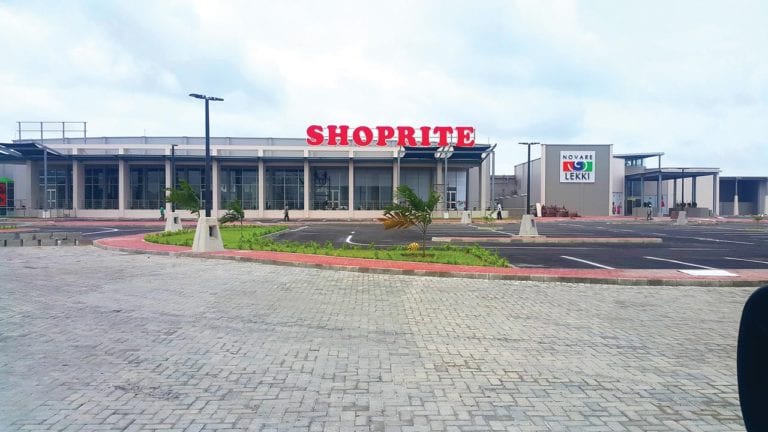
4. Novare Lekki Mall, Lagos

best shopping malls in Nigeria

Visit Novare Lekki Mall for modern shopping, which is designed to suit the comfort of its customers. People seeking entertainment as well as those who want to buy something can find a variety of options in the store. Visit one of the safest and easiest-to-use cinemas in Nigeria and keep up with the latest fashions. In addition to merchandise, the mall also offers banking services.

Address: Eti-Osa, Sangotedo, Nigeria

Website: Novare Lekki Mall

5. Dunes Center, Abuja

best shopping malls in Nigeria

The Dunnes Center is a high-end mall in Nigeria’s capital. This is the place to go for designer clothes and accessories. You can shop at the Dunes Center without breaking the bank, thanks to the affordable prices of the branded items. Shopping at a mall means you won’t have to worry about going hungry since cafés, coffee shops, and snack bars are all available. It is also known for its tasty waffles at Waffle Place. People with limited shopping time can visit the homepage of the mall, click on the item they want to purchase and arrange to pick it up later.

Address: N44 Aguiyi Ironsi St, Maitama, Abuja, Nigeria

Website: Dunes Center

Also Read: Top Nigerian Soups and Swallow

6. Ikeja City Mall, Lagos

best shopping malls in Nigeria

Are you attracted to places that are busy and lively? At Ikeja City Mall, one of the busiest malls in Lagos, you’ll find both. It is always fun and exciting to hang out at Ikeja City Mall, whether alone or with friends. Look through the items displayed to stay updated with the latest fashion trends. View movies in a comfortable and clean cinema or go to events with celebrities as guests. The mall is home to several restaurants that serve African cuisine, but if you prefer fast food, there are many fast food outlets as well.

Address: 194 Obafemi Awolowo Way, Alausa 100001, Ikeja, Nigeria

Website: Ikeja City Mall

7. Circle Mall Lekki Peninsula II, Lagos

best shopping malls in Nigeria

Circle Mall Lekki Peninsula II is a fun family shopping destination. This mall is growing rapidly since it opened. Some of the amenities in this store can’t be found in other stores in Nigeria. For instance, your children can run around the playground while you shop. At the food court, which offers kid-friendly dishes, everyone can enjoy delicious meals. You can end the day with a great movie in the cinema or live entertainment. A visit to Lekki Peninsula Mall II isn’t just about shopping but also a time to bond with family.

Address: Lekki Toll Road, Lekki Penninsula II, Lekki, Nigeria

Website: Circle Mall Lekki Peninsula II

Meet Anjali Sud, the 37-Year CEO Who Turned the Fortunes of Vimeo Around

Anjali Sud is about 37 years old and she is the CEO of Vimeo.

Today, Vimeo is all over the news; you find it everywhere on the Internet, especially Ads on youtube. But this was not always the case. Vimeo was struggling at a point.

So, what happened, and how did Anjali Sud turn things around for the company?

How Vimeo Started

Vimeo started as a competitor to Youtube and Netflix. It was an ad-free video platform that provided premium video content to its users.

Vimeo had a clear mission – to create a higher-quality alternative to Youtube. That is to be like another version of Netflix, but with Youtube type of content.

To do this, Vimeo invested heavily in creating its own content and curating content on the platform. There was a lot of catching up to do, and they felt they were equal to the task.

They went after professional video creators and filmmakers. A few years down the line, things were not exactly working.

Anjali Sud and How She Led the Vimeo Pivot

Youtube is estimated in the year 2020 to be worth $170 billion, while Netflix hit $194 billion net worth in 2020. Now, take a moment to imagine a new company with maybe a few million dollars budget trying to compete with those two. That was a huge task before Anjali Sud when she joined Vimeo as Director of Marketing about 6 years ago.

Vimeo did not have the kind of money those two have for content, not to talk of marketing. It didn’t take long for her to see there was a problem.

However, Anjali started taking a second look at Vimeo’s strategy.

“I developed a point of view, myself and a few others within the company, that we probably weren’t going to compete well with Netflix in original content because we probably weren’t going to have $17 billion to spend on it”, Anjali revealed.

And people who wanted entertainment were already used to going to YouTube. It was going to be a hard-to-break habit.

“Vimeo had long been a software company for filmmakers, but the market was too small”, she said in an interview.

The Discovery of a New Market

So, Anjali Sud came up with an idea…

“There was another, much bigger market—businesses. What Squarespace and GoDaddy did for websites, we could do with video.”

Rather than wait idly for ‘management’ to steer the ship, Anjali went directly to the top.

She asked for a meeting with Vimeo’s parent company CEO, Joey Levin.

She pitched him her idea, which was – Pivot Vimeo from an entertainment and content source, to provide tools for small businesses to create video.

It didn’t matter where the video ended up (YouTube, Instagram etc.), Vimeo would help them make it.

Small businesses, mom-and-pop, and even big businesses realised that video and the internet were core to their growth.

But they didn’t have the resources or expertise to create high-quality content. That’s where Vimeo could come in.

Levin was fascinated by the idea. Vimeo was struggling and losing money. What’s the worst that could happen if they gave this a try?

He decided to give her a shot. Anjali put a small team together and started to pilot her idea.

She wasted no time and quickly made Vimeo a one-stop shop for filming, editing, and sharing video.

Sales, profit, subscribers – all the numbers surged significantly higher than they’d been the previous year.

The results were clear, and she was named CEO of Vimeo.

4 years after becoming the company’s chief executive, Anjali and her team took Vimeo public.

In conclusion

One of the most essential lessons from Vimeo and Anjali’s story is knowing when to pivot. You may also want to add this – understanding that pivoting is not an indication of failure, but rather of flexibility.

Youtube, Twitter, Airbnb, and Instagram are on the long list of successful companies that have had to pivot at some points. Vimeo may just be the latest addition to the list.

Complete List of the Over 250 Ethnic Groups in Nigeria by States

9

How many ethnic group do we have in nigeriahas been a popular question from several quarters. The answer to that is, Nigeria is a multi-ethnic and multi-linguistic country. She has over 250 ethnic groups within her boundaries, with most of these ethnic groups having very close ties with her neighbouring countries.

Though Yoruba, Igbo and Hausa are the three major ethnic groups known by most Nigerians, there are actually over 250 other ethnic groups in Nigeria aside from the famous three?

For many, understanding Nigeria is simple. The Northerners are Hausa; Southwest belong to the Yorubas, and Igbos own the South East. Well, approaching things from this perspective is not only untrue but also unfair to the other ethnic groups in those regions.

So, do yourself a favour and get familiar with this list of the over 250 ethnic groups in Nigeria.

PS: Guess which state has the highest number of ethnic groups in Nigeria

Clue: It’s in the North

Read on to find out

Read Also: 7 Interesting Nigerian Historical Facts

List of Ethnic Groups in Nigeria

I. Abia

1. Igbo

II. Adamawa

1. Babur (Pabir)/Bura 

2. Bachama

3. Banso (Panso)

4. Batta

5. Baya 

6. Bilei 

7. Bille

8. Botlere 

9. Bwatiye 

10. Bwazza

11.  Daba 

12. Daka 

13. Palli

14. Fulani (Fulbe)

15. Ga’anda 

16. Gira 

17. Gizigz

18. Gombi 

19. Gude

20. Gudu 

21. Gwa (Gurawa)

22. Gwamba 

23. Holma 

24. Hona 

25. Ichen 

26. Jibu 

27. Jirai 

28. Kaka 

29. Kambu 

30. Kamwe

31. Kanakuru (Dera)

32. Kanuri

33. Kilba

34. Kurdul

35. Lakka

36. Lala

37. Longuda (Lunguda)

38. Mambilla

39. Margi (Marghi)

40. Maffa

41. Mbol

42. Mbula

43. Muchaila

44. Mundang

45. Ngweshe (Ndhang.Ngoshe-Ndhang)

46. Njayi

47. Pire

48. Shuwa

49. Sukur

50. Teme

51. Tur

52. Ubbo

53. Vemgo

54. Verre

55. Wagga

56. Wurbo

57. Yandang

58. Yungur

Read Also: 5 Interesting Facts About Nigeria Every Foreigner Should Know

III. Akwa Ibom

1. Anang 

2. Andoni

3. Eket

4. Ibeno 

5. Ibibio 

IV. Anambra

1. Igbo

2.. Igala

3. Anioma

V. Bauchi

1. Angas

2. Bambora (Bambarawa) 

3. Banka (Bankalawa) 

4. Bara (Barawa) 

5. Barke 

6. Bele (Belewa) 

7. Buli 

8. Burak 

9. Buta (Butawa) 

10. Chama (Chamawa Fitilai) 

11. Chamo 

12. Dadiya 

13. Daza (Dere, Derewa) 

14. Deno (Denawa) 

15. Ouguri 

16. Duma (Dumawa) 

17. Fulani (Fulbe)

18. Galambi 

19. Geji 

20. Gera (Gere, Gerawa) 

21. Gingwak 

22. Gubi (Gubawa) 

23. Gyem 

24. Hausa

25. Jaku 

26. Jara (Jaar Jarawa Jarawa-Dutse)

27. Jere (Jare, Jera, Jera, Jerawa)

28. Jimbin (Jimbinawa) 

29. Jukun 

VI. Bayelsa

1. Epie

2. Isoko

3. Izon (Ijaw)

4. Urhobo

VII. Benue

1. Akweya-Yachi 

2. Egede (Igedde) 

3. Etolu (Etilo)

4. Idoma

5. Jukun

6. Ufia

6. Utonkong

Read Also: Top Nigerian Soups and Swallow

VIII. Borno

1. Babur (Pabir)/Bura

2. Baggara Arabs

3. Buduma

4. Bura/Babur (Pabir)

5. Chibok (Kibaku)

6. Chinine

7. Dghwede

8. Fulani (Fulbe)

9. Gamergu-Mulgwa

10. Gavako

11. Gwoza (Waha)

12. Hausa

13. Kanakuru (Dera)

14. Kanembu

IX. Cross River

1. Abayon

2. Adim

3. Adun

4. Agbo

5. Akaju-Ndem (Akajuk)

6. Anyima

7. Bachere

8. Bahumono

9. Bekwarra

10. Bette

11. Boki (Nki)

12. Efik

13. Ejagbam

14. Ekajuk

15. Ekoi

16. Etung

17. Idoma

18. Ikom

19. Iyala (Iyalla)

X. Delta 

1. Anioma

2. Igbo

3. Ika

4. Isoko

5. Isekiri (Itsekiri)

6. Izon (Ijaw)

7. Urhobo

XI. Ebonyi

1. Igbo

XII. Edo

1. Anioma

2. Bini (Edo)

3. Ebira

4. Ebu

5. Esan (Ishan)

6. Etsako

7. Etuno

8. Igala

9. Izon (Ijaw)

10. Uwanno

XIII. Ekiti

1. Yoruba

XIV. Enugu

1. Igala

2. Igbo

XV. FCT

1. Gwari (Gbagi)

2. Tiv

XVI. Gombe

1. Fulani (Fulbe)

2. Tangale

3. Tula

XVII. Imo

1. Igbo

XVIII. Jigawa

1. Auyoka (Sub-Hausa)

2. Fulani (Fulbe)

3. Hausa

XIX. Kaduna

1. Attakar (ataka)

2. Ayu

3. Bassa

4. Bina (Binawa)

5. Fulani (Fulbe)

6. Gure

7. Gwandara

8. Gwari (Gbagi)

9. Gwong (Kagoma)

10. Ham (Hyam, Jaba, Jabba)

11. Hausa

12. Kadara

13. Kafanchan

14. Kagoro

15. Kaje

16. Kajuru

17. Kamaka (Karnukawa)

XX. Katsina

1. Fulani (Fulbe)

2. Hausa

XXI. Kano

1. Fulani (Fulbe)

2. Hausa

XXII. Kebbi

1. Achipa (Achipawa)

2. Dakarkari

3. Danda (Dandawa)

4. Duka (Dukawa)

5. Fulani (Fulbe)

6. Hausa

7. Kamaku (Karnukawa)

8. Kambari

Read Also: 5 Places You Can Enjoy Nightlife in Lagos

XXIII. Kogi

1. Bassa

2. Bunu

3. Ebira

4. Ebu

5. Gbedde

6. Gwari (Gbagi)

7. Idoma

8. Igala

9. Ijumu

XXIV. Kwara

1. Fulani

2. Baruba (Batonu)

3. Yoruba

XXV. Lagos

1. Awori

2. Egun (Gu)

3. Yoruba

XXVI. Nasarawa

1. Afo (Eloyi)

2. Alago

3. Gade

4. Gwari (Gbagi)

5. Hausa

XXVII. Niger

1. Baruba (Batonu)

2. Bassa

3. Baushi

4. Boko (Bussawa, Bargawa)

5. Dakarkari

6. Fulani (Fulbe)

7. Gade

8. Gurmana

9. Gwandara

10. Gwari (Gbagi)

11. Hausa

12. Kadara

13. Kamaku (Karnukawa)

14. Kambari

XXVIII. Ogun

1. Awori

2. Egun (Gu)

3. Yoruba

XXIX. Ondo

1. Ebira

2. Izon (Ijaw)

3. Yoruba

XXX. Osun

1. Yoruba

XXXI. Oyo

1. Yoruba

XXXII. Plateau

1. Afizere

2. Amo

3. Anaguta

4. Ankwei

5. Bada

6. Bashiri (Bashirawa)

7. Bassa

8. Berom (Birom)

9. Bokkos

10. Buji

11. Burma (Burmawa)

12. Bwall

13. Challa

14. Chip

15. Chokobo

16. Doemak (Dumuk)

17. Fulani (Fulbe)

18. Fyam (Fyem)

19. Fyer (Fer)

20. Qanawuri

21. Geruma (Gerumawa)

22. Goemai

23. Gusu

24. Irigwe

25. Jere (Jare, Jera, Jera, Jerawa)

26. Jidda-Abu

27. Jukun

28. Kantana

29. Kenern (Koenoem)

30. Kulere (Kaler)

31. Kwalla

32. Kadung

33. Kwaro

34. Kwato

35. Limono

36. Mabo

37. Mada

38. Mama

39. Memyang (Meryan)

40. Milighili (Mighili)

41. Montol

42. Munga (Mupang)

43. Mupun

44. Mushere

45. Mwahavul (Mwaghavul)

46. Ngas (Angas)

47. Ninzam (Ninzo)

48. Nokere (Nakere)

49. Nunku

50. Pai

51. Pyapun (Piapung)

52. Rindire (Rendre)

53. Ron

54. Rukuba

55. Saya (Sayawa Za’ar)

56. Shangawa (ShanKadunagau)

57. Shan-Shan

58. Sikdi

59. Sura

60. Tarok

61. Tiv

62. Yergan (Yergum)

63. Yuom

XXXIII. Rivers

1. Abua (Odual)

2. Andoni

3. Anioma

4. Bille

5. Ebana (Ebani)

6. Egbema

7. Ekpeye

8. Engenni (Ngene)

9. Etche

10. Gokana (Kana)

11. Ibani

12. Igbo

13. Ikwerre

14. Izon (Ijaw)

15. Joinkrama)

16. Kalabari

17. Ke

18. Kugbo

19. Obolo

20. Ogoni

21. Ogba

22. Okirika

23. Udekeama

XXXIV. Sokoto

1. Fulani (Fulbe)

2. Hausa

XXV. Taraba

1. Bakulung

2. Bali

3. Bambuko

4. Banda (Bandawa)

5. Betso (Bete)

6. Bobua

7. Chamba

8. Chukkol

9. Dangsa

10. Diba

11. Fulani (Fulbe)

12. Gengle

13. Gornun (Gmun)

14. Gonia

15. Gwom

16. Hausa

17. Jahuna (Jahunawa)

18. Jero

19. Jonjo (Jenjo)

20. Jukun

21. Kaba (Kabawa)

22. Kanuri

23. Karimjo

24. Kenton

25. Kodei

26. Kona

27. Kugama

28. Kunini

29. Kuteb

30. Kutin

31. Kwanchi

32. Lama

33. Lamja

34. Lau

35. Mbum

36. Mumuye

37. Munga (Lelau)

38. Ndoro

39. Ngweshe (Ndhang.Ngoshe-Ndhang)

40. Nyandang

41. Panyam

42. Pkanzom

43. Poll

44. Potopo

45. Sakbe

46. Sate

47. Shomo

48. Tarok

49. Tigon

50. Tikar

51. Tiv

52. Vommi

53. Waka

54. Wurkun

55. Yandang

56. Yott

XXXVI. Yobe

1. Affade

2. Bura-Pabir

3. Bade

4. Bole (Bolewa)

5. Buru

6. Chibok (Kibaku)

7. Fulani (Fulbe)

8. Kanuri

9. Karekare (Karaikarai)

10. Manga (Mangawa)

11. Ngizim

12. Shuwa

XXXVII. Zamfara

1. Fulani (Fulbe)

Conclusion

There you have it, the list of over 250 ethnic groups in Nigeria. According to 2020 findings, Yoruba is the biggest ethnic groups in Nigeria, claiming 23% of the population, and Hausa is a close second with 21%. Others are as follows:

best shopping malls in Nigeria

Igbo – 18%

Ijaw – 5%

Fulani – 3%

Ibibio – 2.8%

Tiv – 2.2%

Kanuri – 1.7%

Others – 23%

Source: The World Factbook

RECOMMENDED

5 Places You Can Enjoy Nightlife in Lagos

Do you have any idea what nightlife in Lagos feels like?

For most people in Nigeria, bedtime is around 9 pm. For Lagosians, that’s turn up time!

After a whole day of work and activities in Lagos, the expected thing is to enjoy the latter part of the day. Especially if it happens to be Friday (TGIF!)

12 years after Banky W said, “ain’t no party like a Lagos party”, it remains uncontested. And this list of the places to enjoy Nightlife in Lagos confirms that.

Now, below is a list of the top 5 places to enjoy nightlife in Lagos:

1. Quilox

best shopping malls in Nigeria

There is no way you can talk of nightlife in Lagos without talking about Quilox, where it all goes down. Owned by Nigerian lawmaker Shina Peller, Quilox is the go-to place for most Lagos big-boys for nightlife fun.

Quilox is not challenging to locate as it lies along Ozumba Mbadiwe Avenue, Victoria Island.

As one of the most popular clubs for nightlife in Lagos, Club Quilox is the best place to have blissful nightlife.

Even though it’s a luxurious and comfortable paradise, this area also provides a unique late-night clubbing scene and hangouts for party lovers.

It is little wonder that many top celebrities frequent the club. It sets a high standard for other clubs in Lagos.

It has impeccable interiors in red, gold, and black and comes alive with people and music at night.

One of its splendid VIP or soundproof VVIP rooms is the perfect venue for a private night party.

The nightlife at Quilox is always lively, with Night Shift from Monday to Wednesday, Workman’s Compensation on Thursday, Starry Nights on Friday, Thriller Nights on Saturday and Sunday Nitro on Sunday Nights. The DJ spins tunes from 2 pm until dawn, starting every last Sunday of every month.

2. The Escape Night Club

best shopping malls in Nigeria

A unique club in Victoria Island, Lagos, this club is well known for attracting top Nigerian celebrities. Hence, the club is highly recommended for those who are looking to network and exchange contacts.

You can get on the dance floor, meet new people, enjoy drinks and delicious meals, and network with new people at the Escape Night club.

3. Shaunz Bar

best shopping malls in Nigeria

This is the place to be if you love fun and groovy music. In addition to many other fun factors, this is the ideal spot to relax with friends and loved ones.

It is located very close to Falomo bridge on Sanusi Fafunwa Street, Victoria Island Lagos.

The bar is a pocket-friendly spot for enjoying nightlife in Lagos.

4. Amazon Spur

best shopping malls in Nigeria

The beautiful landscape and the gentle tide of the ocean you get at Spur will ‘shock you’ and keep you coming back.

Talk of a beautiful place in Lagos where its beauty becomes even more scintillating at night, talk of Spur. It is located in Victoria Island Lagos, and it’s up there among the most beautiful places in Lagos.

It is a great place for unwinding and relaxation after the day’s work. Sit outdoors and catch the sight of the beautiful blue sea on the terrace; this is undoubtedly worth experiencing, especially at the end of a long week of activities.

Check out Spur soon and share your experience in the comments for others.

5. Sea Lounge

best shopping malls in Nigeria

There’s no doubt Lagos has a lot of lovely places to have fun at night. One of such places is Sea Lounge which offers a great location to create that long-lasting scintillating memory.

With a sea view in sight and fresh air, you can relax on comfy chairs, sip away your drink, and relate with fellows in the arena.

You can do a lot at the Lounge: games, dinner, boat cruise, relaxation, games, etc.

You should try out this place for a fun-filled nightlife experience with someone special in Lagos.

Top Nigerian Soups and Swallow

142

It’s true Nigerians love their soup and swallow.

I have a friend who would fall sick if she doesn’t have a swallow within a maximum of three days.

So yes, that expression is true. We love our swallow just as much as we love our spice.

Nigeria has a collection of amazing dishes.

Hello, Richard Quest and Cardi B already settled the Nigerian Jollof debate. When it comes to food, we are that good.

 “I want to go to the f**king hood, I wanna see like the real Nigeria I don’t wanna eat hotel food I want like real Nigerian food, all that fish all that jollof rice”. – Cardi B.

However, when we say soup in Nigeria, we mean something completely different from an apple puree starter or a chicken soup. In Nigeria, soup refers to any liquid delicacy eaten with swallow.

You can’t have it any other way.

Like our fashion, food in Nigeria reflects our culture, from the flavour of sweet herbs available in different regions to the assorted dishes unique to each cultural region.

So, if you’re making a trip to Nigeria, and you plan on exploring our food. I know the absolute favourite soups you should try out.

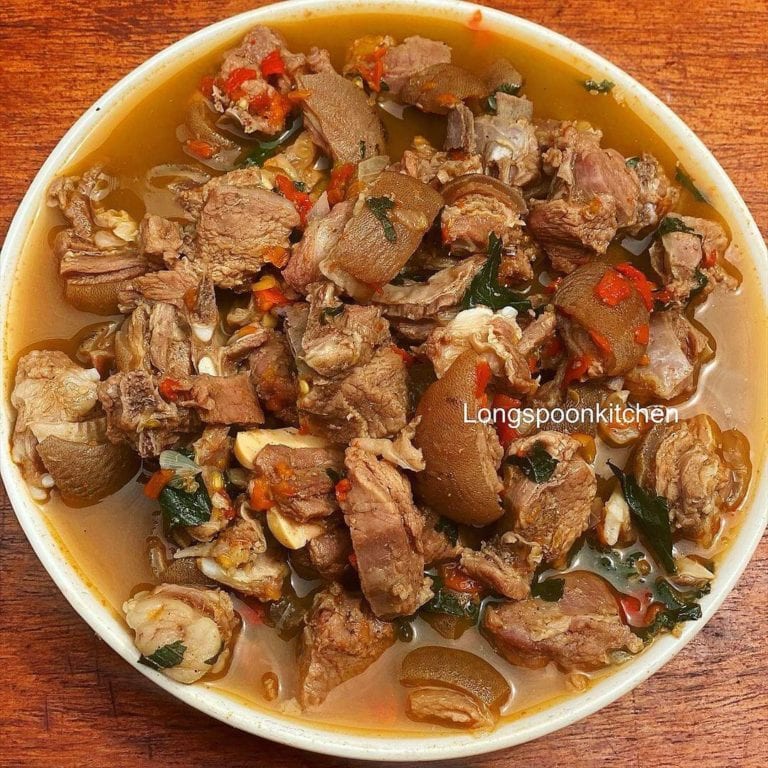
PS: These photo’s are courtesy of Long Spoon Kitchen, and other food blogs on Instagram.

Pepper Soup

best shopping malls in Nigeria
Goat meat Pepper soap

Don’t let the name frighten you; your host can adjust the spice to your taste. Pepper soup can serve as a starter or a main dish. It depends on how it’s served.

Pepper soup can be served as a starter with offal, beef, chicken, fish or bush meat. Each of these protein affects the flavour. Different fish also bring a distinct flavour to the meal.

You can have a combination of any of these proteins with yam, sweet potato or ripe plantain.

In Rivers State, I know a certain tribe eat fish pepper soap with eba. Not the best combo with pepper soup but it has it’s moments.

For a mind blowing experience, try yam cooked in pepper soup but served separate from the soup with palm oil. Yum!

Ogbono Soup

best shopping malls in Nigeria
Ogbono soup

Suppose you are visiting the south-south region of Nigeria. In that case, you should try the Ogbono soup or Egbene fulou as the Ijaws call it.

There’s a particular spice used to flavour this soup in the south, and it gives a delightful aroma to the soup one you can smell from the door!

When garnished with stockfish and dried catfish, Ogbono soup is quite a cuisine.

For the best experience, try Ogbono soup with Yellow garri. alternatively, you it can be served with fufu.

Fisherman Soup

best shopping malls in Nigeria
Photo Credit: IG @Thegirlfoodie

If you love seafood, then you’d love to give this dish a try. Garnished with fresh fish, prawns, oyster, periwinkles and whatever the sea can offer really. It’s a dish common to the riverine communities along the Atlantic Ocean; Nembe, Kalabari and Okrika hence the name fisherman’s soup.

Best served with Pounded yam or alternative poundo yam.

People love Nigerians for many reasons, our jollof is just one of them

Ofensala

best shopping malls in Nigeria
Ofensala

This dish is native to South-Eastern region but also common in Rivers state. You don’t even want so much of swallow with this, because the soup in itself is quite filling.

For a wild experience, try it with pounded yam.

Sea Food Okra

best shopping malls in Nigeria

Sea food okra hits different when served with yellow garri. In the North, Okro is often served with tuwo shinkafa/ rice tuwo.

Affang Soup

best shopping malls in Nigeria
Affang Soup

This delicacy is native to the people of Akwa Ibom and Crossriver but has been largely adopted by many tribes.

Banga Soup

best shopping malls in Nigeria
Photo Credit: IG @fnfoodies

You know you’re home in delta and Bayelsa, when you’ve had Banga soup and starch. It’s always fun watching people eat the starch swallow for the first time. It’s actually starch extracted from cassava and cooked in palm oil. Visitors often have a real struggle cutting through the starch. As a child, I’d often fight with my plate. The thrill comes from mastery of the art of cutting through that fine yellow.

It feels light and smooth to swallow, but it’s super filling. Resist the urge to get that extra plate.

Banga soup is best served with starch, but can also be paired with fufu, garri, semo, pounded yam or onunu.

Onunu is a swallow made from pounded ripe plantain and a bit of yam for added texture.

Ewedu

best shopping malls in Nigeria
Photo Credit IG @Mykolo.ng

The pride of the west. There’s no Yoruba party without Amala and Ewedu. The colour can be discouraging but don’t be scared, it’s just dried yam made into a powder.

I remember a time when I felt grossed out by the color, Then I moved to Lagos and eventually tried it. It was cool. It brings a certain comfort on sick days when you lack appetite.

There’s only one swallow for Ewedu soup and that’s Amala. Anything else, is a crime.

Native Soup

best shopping malls in Nigeria
Photo Credit: IG @Ordeenchop

This dish is popular in Rivers state and Bayelsa. Bear in mind that different tribes have different native soups so if you randomly ask for native soup, you might not get this exact dish except you’re speaking to someone from Rivers or Bayelsa state.

This dish is super tasty and very tempting, if you’re not careful, you might be taking more cabs than you planned.

Edikainekong

best shopping malls in Nigeria
Edikaikong

It’s a mouthful of words and deliciousness.

This dish is quite popular across regions. Wait till someone from Cross Rivers state or Akwa Ibom prepares it.

Like afang, it’s made with delicious selection of vegetable offering you a good dose of fiber and vitamins.

You can find most of this dish in just about any standard restaurant. But if you are dining with a Nigerian, try asking about the soups peculiar to their tribe and see them light up with excitement.

Anyone can learn to make any dish, but in an average Nigerian home, we strongly rely on our ancestors when it comes to cooking.

Kidding.

Okay, that’s a common joke we make about how Nigerians know when to stop adding salt to a meal.

The basis of that joke is that our recipes aren’t written.

You know how Americans take pride in a family recipe – a handwritten note with secret ingredients, specific measurements and portions that get handed from one generation to another; well, here, these secrets are passed from mother to child by observation.

More so, we cook in large volume at a time, as our meals are made to serve an unspecific number of guest for an unspecified number of days. You can’t tell when a guest may stop by the house.

You can almost guess a person’s origin by their favourite soup and accompanying swallow. Try it.

There are so many more soups to try in Nigeria. There’s egusi, bitter leaf soup, efor riro, and a lot more. Let me know what other Nigerian meals you’d love to try when you visit.

Love Nigeria? Here’s 7 Tourist Attractions You Didn’t Know Exist.

5 Interesting Facts About Nigeria Every Foreigner Should Know

6

You’ve probably heard a few stories about Nigeria and may likely have encountered a few Nigerians too. Well, there’s so many of us!

I wonder how anyone can tell the difference.

One mistake foreigners make is assuming Nigeria is like America, where everyone speaks English, and you can tell people apart by their accent.

Well, a few Nigerians have a distinct accent, but that’s a story for another post.

Some foreigners go as far as assuming Nigeria is the capital of Africa. Oh heavens no.

If you’ve ever made such a mistake, I’m here to guide you: no shame here, just a learning curve.

Now for a reintroduction:

It’s funny how we live in an age of information yet know so little about the world we live in and the people that inhabit it.

Like Chimamanda rightly captions it, we are faced with “the dangers of a single story”.

The extent of what we know is limited to the information we can access or perceive.

Now and then, a cheap comedy hints at a foreigner being swindled by a Nigerian. At the unset, such crimes weren’t treated from a cultural standpoint, whereas, Militancy and Banditry didn’t get the same ovation. I digress.

Sips water.

Where was I?

Yes, interesting facts about Nigeria.

1. Lagos Is Not the Capital of Nigeria

This misconception is stern from the fact that Lagos is a major business hub and is often the first point of contact for foreigners. That’s like me assuming Los Angeles is the capital of the United States because the LAX is popular.

The capital city is Abuja.

You can’t say you’ve fully experienced Nigeria because you spent a few nights in Lagos, just like I can’t say I know America from a visit to Las Vegas.

2. Cultural Regions Differ From Geopolitical Regions

Some Nigerians can’t tell the difference, and it’s appalling. I speak of the lovely Yoruba people that largely inhabit the southwestern region of Nigeria.

Nigeria is divided into six geopolitical zones, and it hardly does justice to the 525 other languages in the country.

You read that correctly—five hundred twenty-five distinct languages far removed from one another in terms of vocabulary. Even I don’t know them all.

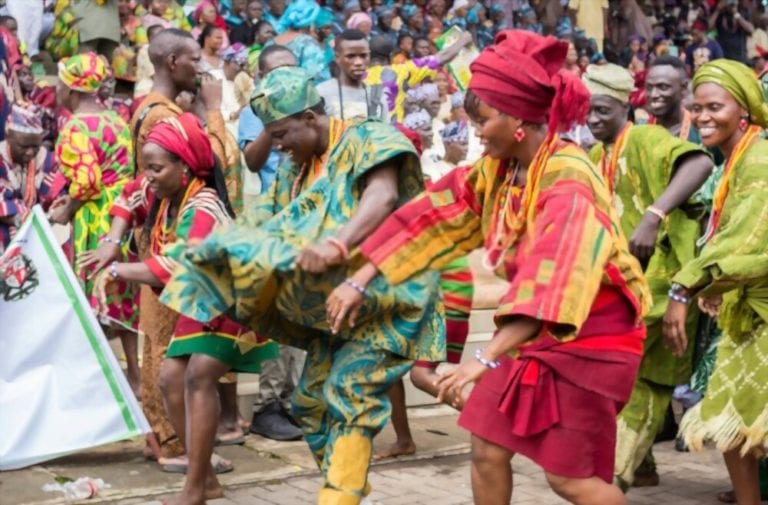
Each cultural region has a unique experience that differs from the other. Our marriage customs differ from one another, as do our burial customs. There are also unique delicacies to each region; however, relationship and communication have resulted in a blend of culture. Very recently, there’s been a wave of some form of cultural export in our fashion. I speak of the modern tie-dye dresses and the incorporation of African print in casual outfits or even the export of men Agbada courtesy: Yoruba weddings.

If you found this interesting, then you might want to read this: 7 Historical Facts About Nigeria

3. IELTS Seem Unfair

I remember standing with a couple of friends at a bus station in France, and a lady walked up to us and enquired about the language we were speaking.

It was funny because we were all speaking English. She was amazed at our accent and the speed with which we speak. Also funny because I feel we talk slowly when compared to other speakers.

In honesty, many young Nigerians are unable to communicate in what the outside world would call our mother tongue. English became their first language, yet they have to take the IELTS because, as Nigerians, they still don’t qualify as native speakers.

People pay a lot to have their kids in school with foreign teachers to learn the British version of English.

Even graduates of English and Literary Studies in Universities across the country are subjected to the test because they don’t have that “foreign” accent or are not considered knowledgeable in English. I find this very disturbing. What then is the point of a Bachelor or Master degree in English?

4. Pidgin English

From Football stars to Hollywood celebrities, everyone wants a piece of the Nigerian pidgin. I can’t even explain it. It carries a certain appeal.

The pidgin is quite dominant on any street in Nigeria, irrespective of cultural region. The North seem to be the only place where pidgin is hardly spoken. They may have a heavy dose of accent, but the accent rather aids their pronunciation, making it more British than any other region.

5. The Nigerian Spirit

One thing no one can contest is that Nigerians are resilient. I admire the drive I see at home and abroad.

When given a platform, they stand out.

Maybe it’s the common desire to beat the stereotype, or may be it’s more complex – perhaps too complicated to describe, which is why I call it the Nigerian spirit.

It’s the positive energy we bring in every social gathering, online or offline. It’s that force of attraction that makes the rest of the world curious about us despite everything bad that has been published in the media.

So when next that stand-up comedian throws a cheap joke about Nigeria, its failed government and the resulting security concerns, the reference to NEPA and a host of other things, you’ll also notice how much such stereotype affects the larger audience.

Nigerians and Nigeria

It’s a love-hate relationship.

You may wonder why Nigerians thrive individually outside Nigeria. Apart from the fact that

Many people love being tagged Nigerians but wish they don’t have to deal with the other tribes. So the collective centre suffers from corruption and unaccountability. On the other hand, no one wants another civil war and wish we could separate peacefully. This mindset toward national unity for a long time acted as an umbrella for corruption.

When next you meet a Nigerian, try asking them what state they’re from. Never assume everywhere outside Lagos is a suburb. It’s not.

By the way, I found the featured Photo on a Friends WhatsApp Status. I’ll be happy to credit the original photographer.

From Importing Biscuit to Making the Most Popular Cracker Biscuit in Nigeria, the Story of Obi Ezeude

What’s not to like about Cracker biscuits? Is it the ‘crackiness’ from where it appears to have gotten its name or the taste that’s so creamy and tasty, yet not so sugary like most biscuits?

best shopping malls in Nigeria

Most households favour Cracker over other types of biscuit. Parents would rather give it to their kids, and adults don’t play with it either.

You love Cracker too, don’t you? Maybe you will love it more when you read this inspiring story of Obi Ezeude, the founder of the most popular Cracker brand in Nigeria today.

Birth and Education

best shopping malls in Nigeria
Obi Ezeude

Born on the 7th of July 1967, Obi Mark Ezeude is from Ubuluenu Uke, in the Idemili North local government area of Anambra state.

His education kicked off in Anambra before leaving the country for the United States, where he got himself a degree in Banking and Finance.

After graduating in his 20s, Obi returned to his motherland when most young people like him wanted to leave the country as it was under the control of the military, bringing a lot of economic and financial difficulties for many. For Ezeude, however, it was a time for him to come use the knowledge he had acquired to build his country’s economy.

Returns to Nigeria and starts importing Biscuit

So, upon returning home, he knew he wanted to start a business. Hence, he paid attention to his environment to see that the trending business at the time was trading and importation. He decided to follow the trend.

There was a problem, though – he didn’t have enough capital. That meant there was a limit to the kind of products he could import. Small items like biscuits were what he could afford, and so he went for it.

Ezeude registered his business, Beloxxi & Company Limited (BLC), as an importer and distributor of Hwa Tai and Luxury Cracker biscuit and Dean’s shortbread from Malaysia and Scotland, respectively.

Obasanjo strikes – Ezeude strikes gold!

Business was good; Beloxxi kept bringing in biscuits and distributing them across Nigeria. However, things took a different direction in 2003 when the Obasanjo-led federal government of Nigeria decided to ban the importation of biscuits to encourage local production.

“For a start, we are going to ban the importation of toothpicks, bottled water, biscuits, spaghetti and noodles and every six months; we will meet to look at other things we can ban to encourage local production. It is unacceptable that we spend up to $13 million to import toothpicks and up to $30 million to import bottled water”, President Olusegun Obasanjo was quoted to have said at a campaign (it was election season).

Of course, this was no good news to those whose means of livelihood at the time was importing those items, including Ezeude.

Opportunity disguised as a problem

However, Ezeude saw the light at the end of the tunnel. He saw an opportunity in the ban. After all, the whole idea behind the ban is to encourage local production. So, who said he couldn’t be one of those local producers? He decided to start a biscuit manufacturing business in Nigeria.

While his mates were trying to get the government to reverse the policy, he plans to have a biscuit manufacturing business in Nigeria. The plan was simple – get his Malaysian partners to set up the manufacturing factory in Nigeria and make him their partner. Perfect?

Well, the Malaysian company wasn’t having any of it. For reasons best known to them, they didn’t buy his idea of making biscuit in Nigeria. First disappointment (or second, depending on when you started counting).

“Affliction” rising the second time?

It seems that not many people thought biscuit manufacturing was lucrative enough to warrant an investment because two Nigerian banks denied him a loan. The reason they gave him was that he didn’t have enough collateral.

Ezeude then approached the US Export and Import Bank (US Exim) for a loan. The process was long and tedious, and he didn’t even have all the requirements.

“I had series of meetings with their management, and even when I did not have all that they requested, the management and officials were more interested in my ideas and how it would work, whereas my Nigerian bankers were only interested in collateral,” he remembered.

As a result of the negotiations and discussions, a $2.2 million loan was approved to Ezeude in December 2003. He did not build the factory immediately but started with a disused factory block in Ikeja, Lagos State capital. The factory became fully operational in 2006.

Another problem, but a good one

In a few years, Ezeude was faced with a problem that most entrepreneurs would call a good one.

“We faced the challenge of meeting the market expectation in product volume and had to do something about it,” he revealed in an interview.

As a result of this problem, the company expanded into Agbara, Ogun state, creating thousands of jobs for Nigerians. President Goodluck Jonathan commissioned the first phase of the Agbara project in September 2010.

Soon after, Ezeude added three more production lines to meet up the ever-increasing demand for its product. While this is certainly not a problem many entrepreneurs can boast of, it is a sure result of rolling out a quality product at a competitive price.

As a result of the second phase of the expansion, which was commissioned in February 2018, Beloxxi’s production capacity increased from 30,000 metric tonnes to 40,000 metric tonnes.

A few months after the second phase expansion, the third phase expansion was laid, adding three additional production lines, increasing the company’s staff strength from 2500 to 6000 and increasing production capacity from 40,000 to 100,000 tons of cream crackers a year.

One could easily see Ezeude’s confidence in the Nigerian economy from his speech and what he hoped to accomplish with the expansion.

Where did the money for expansion come from?

It is understandable to wonder how a company that began with a $2.2 million loan from US Exim managed to keep expanding.

The company divested a minority stake to German prime investment bank KFW-DEG in August 2016 for an estimated $85m. The third expansion to nine production lines and the establishment of an allied packaging factory in Oregun were facilitated by this sale by a joint venture between the German Investment Bank and 8Miles of London; a private equity firm focused on Africa investment.

best shopping malls in Nigeria
VP Yemi Osibanjo visits Beloxxi factory

Ezeude didn’t disappoint the investors in his method for allocating and deploying the funds. When the bank’s president, Bruno Wenn, visited the Agbara factor in October 2017, he couldn’t hide his satisfaction with what had been accomplished.

In his visit, Wenn emphasised that investing with Beloxxi was worthwhile. As soon as he had toured the factory and asked all the questions he could think of; he assured the management of KFW-DEG that it would not be a bad idea to invest more funds in Beloxxi.

Awards and Recognitions

To honour the contribution of Ezeude to the country’s economy, he was awarded The Sun Manufacturer of the Year award in 2017.

The 2020 Ernst and Young (EY) Global Entrepreneur Award for West Africa, the Emerging Entrepreneur category, went to Obi Ezeude. While receiving the award, Ezeude described Beloxxi as his “modest contribution to Nigeria’s national development.”

He received the Fate foundation award for the year 2020 in June.

At 53 and as the owner of one of the most technologically advanced biscuit factories in Nigeria, Ezeude has no intention of slowing down. Social media posts reveal that the founder is still very much involved in running the company he founded at the age of 27.

Lessons and Conclusion

There are loads of lessons for entrepreneurs from Ezeude’s story. However, one that stands out is seeing opportunity in challenging situations. You’re probably tired of hearing this from motivational speakers all the time, but as demonstrated in this story, you will agree it’s true.

Most times, opportunities come in the guise of challenges. And it takes some level of doggedness and superior knowledge to see this and act accordingly.

Following the ban by Obasanjo then, while most of Ezeude’s colleagues were lobbying for the government to reconsider their stand, Ezeude saw an opportunity in the situation and quickly exploited it. There are more lessons on finding opportunities in challenging situations here.

Another lesson to take from this is, sometimes, all you need is an idea and that convincing drive. Ezeude didn’t have money too, but he had an idea.

Even though he met disappointments at different points as not everyone saw what he was seeing, he stayed true to his vision and help eventually came.

What’s that idea, and what’s your excuse?