Home Blog Page 42

Keep At It, Don’t Quit.

Empathy is one of the most (if not the most important), leadership skills needed by this generation of ours.

Unfortunately, it is also one of the most often taken for granted. Most times, instead of looking down on your peers, your neighbor, or just that person you come across often, what they need is a nudge, someone to tell them that it is okay to fail – Give it to them.

Our world no longer celebrates failure; we are enmeshed in the belief that growth must follow the trajectory of a hockey stick. Once you take off, it becomes a crime to come down, you become an object of ridicule just because you gave in to the natural order of growth – walk, fall, crawl, stand, fall, run, fall, etc.

For you reading this, I have a sentence for you – Everything comes to you at the right time, keep at it, don’t give up.

Everything comes to you at the right time. Keep going. You will overcome all those obstacles and setbacks on your path. Your time will come.

Related post – Don’t Give Up Too Soon.

Profitable Snail Farming In Nigeria: Nos 1 Beginner’s Guide (Updated)

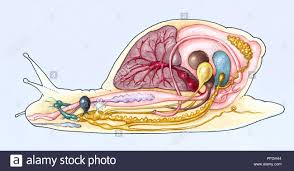
Commercial snail farming in Nigeria is one of the most lucrative farming business ideas in Nigeria that a farmer could invest in and expect an outstanding return on investment.

Popularly called Igbin by the Yoruba people of Nigeria, snail meat is a delicacy in the homes of many Nigerian tribes, especially the Igbos and Yorubas. The largest land snail is the Achatina achatina, the Giant African Snail.

There are several species of snails, some are not edible, for example, the marine cone snail has one of the most powerful poisons in nature. There are, however, two species of edible snails.

In some places, people eat snail eggs, and call them “white caviar.”

Edible snail meat contains a high amount of helpful Nutrients – protein, iron, calcium, magnesium, vitamin A and very low in fat.

How To Make Money With Snail Farming in Nigeria

Farming edible snails for food as a business in Nigeria requires very little capital investment, and it has a surprisingly high return on investment. It usually involves three major steps. These steps are:

  1. Build An Adequate Sized Snail Pen – You would need to decide on the number of snails you would love to farm to know the type of snail pen that would be suitable.
  2. Get healthy Starting Stock Snails – The best type of stock to start with are usually those hand-picked from the bushes, but where it is not easily sourced, you should get matured stock from reputable farmers.
  3. Understand How to and What to Feed Snails in Nigeria – Snails eat vegetables and fruits. If you want a healthy snail population, it is best to source for fresh vegies rather than pick and feed your snails with bad fruits and vegies from markets. Please take note to include always ensure that your snails have a steady supply of calcium to help with their growth.
Snail farming in Nigeria

Sadly, until recently, in spite of being lucrative, most farmers prefer poultry farming because they lack the practical know-how to go about snail farming in Nigeria.

This article gives a complete expose on the rudiments of farming snails, the cost requirements, their food, mating period, management, and even marketing ideas.

JUSTIFICATION FOR SNAIL FARMING IN NIGERIA

Some people argue that the best snails are those picked from the bushes; picking snails from bushes was a traditional commercial practice that dates back to hundreds of years.

I had picked snails from the forests of Adeola Odutola College Ijebu-ode, while I was in secondary school. It was fun; I picked snails to supplement the meals we got back then; our meals then were hardly anything but sustenance diets.

The modern-day reality of that practice, however, is that it is no longer feasible to hand-pick snails for commercial purposes. Such practice can no longer meet the steady demand for snail meat.

Eating hand-picked snails is considered dirty. Unfortunately, it is also the reason why most people shy away from eating snails.

Recent studies put the nutritional value of snails to be very high, with protein at 12.5% to 16%) and iron (45-50 mg/kg).

Responding to the demand, smart farmers have started snail farms at varying levels of intensity to great results. Already, there are so many examples of successful snail farmers that people ought to have taken note of. One such proud example is – Kester Amos

In Nigeria, with the campaign from snail farmers like Kester, snail meat and snail farming in Nigeria is increasingly being accepted as a protein of choice; Supermarkets in Nigeria now serve snails alongside other sources of protein and big hotels and restaurants find it difficult to cope with demand.

One of the major reasons why the campaign has been widely successful is that snail meat is very low in fat and contains almost all the amino acids needed by humans. A recent study has also shown that the glandular substances in the edible species of snail meat cause agglutination of certain bacteria, which could be of value in fighting a variety of ailments, including whooping cough.

Suggested Reading: Best Way To Start Poultry Farming in Nigeria

Some Snail Farming in Nigeria Acronyms To Know

  1. POL – Point of Lay (Sexually Matured Snails)
  2. AA – Archatina Archatina (Ghana Specie of the African Giant Snails)
  3. AM – Archatina Marginata (Nigerian Species of the African Giant Snails)
  4. AF – Archatina Fulica. (African Specie of the AGS, common in Uganda and other African Countries)
  5. AGS – African Giant Snails (These are the African Snail Species, size doesn’t determine this)
  6. AMO – This is the Ovum breed of the AM.
  7. AMS – This is the Saturalis breed of the AM.
  8. SFF – Snail Feed Formula (This is the compounded feed for Snail growth, and it is highly rich in Calcium).

Profitability Justification For Snail Farming in Nigeria

Snail farming is truly a money-spinner. It is highly lucrative, with a very high return on investment if the management steps here are followed significantly. An average ROI on snail farming is way above 50%; this is partly due to the fact that snails are hermaphrodites and lay eggs in large quantities.

Nutritional Justification For Snail Farming in Nigeria

Snail meat is better than any other red meat for a lot of reasons and some of these are listed below

  1. Snail meat has anti-inflammatory properties
  2. It is rich in anti-cancer properties
  3. Snail is high in iron, protein, phosphorus, and calcium. It is very low in cholesterol, sodium, and fat.

How much does it cost to start a snail farm in Nigeria?

Snails are very easy to rear. Set up a pen, get the snails, feed them, get your customers, and you would be in business.

That said, let us get to the setup cost and take a dive into the capital outlay for setting up a profitable snail farm. A snail farm setup cost depends on the scale of the farm you want to achieve. The list is below are the must-haves. 

  • Land – We want to assume that most farmers going into snail farming in Nigeria would do that at a small or medium level of commercialization. So we will not put so much cost to the land and assume that you would need about N5,000 to N10,000 preparing your land and getting it ready for the snail pen.
  • Snail Pen – This is where you must spend significantly, depending on the level of commercialization you intend to achieve. A typical snail pen capable of housing about 50 breeder snail stock can cost between N5,000 to N10,000 depending on location.
  • Water-Water, though free to most, is not free to all. Put your cost here accordingly, even the cost of a water hose needs to be considered.
  • Parent stock – It is ideal to go for a minimum breeding stock of about 200 snails, so multiply that with 300 per snail and you get the sum of N60,000
  • Snail Feeding – Place a budget of another N5,000 for the feeds
  • Marketing – Yes, the almighty marketing – Advertisement, branding, etc – I always love to put in generous amount here – Another N20,000 to N50,000 at the take-off
  • Processing and packaging – Not so compulsory, in fact most farmers just directly to their clients without the need to clean and process the snail for safe consumption.

Putting the right figures to the items listed above, the capital requirement outside land for a small or medium-scale farm should be within the range of N150,000 to N850,000.

Steps To Start Profitable Snail Farming In Nigeria

These are the steps you should take to start snail farming in Nigeria. Yes, there might be several ways and extensive systems to approach these steps, but I’ve proposed these using my experience and those of other snail farmers. This article is actually a how-to guide on snail farming for beginners.

15 minutes 15 minutes

Prepare The snail Pen

snail pen

The snail pen (Snail house) is the very first thing you must do once you have made up your mind on going all out to farm snails, and have done your business planning. There are, however, many types of pen setup you could use to farm snails. Some farmers use chicken wires as the main item in constructing their snail pens, while others use old rubber tires. A quick online search would yield results on the different kinds of snail pens, their costs, and several benefits over the others.

Snail Pen

Get Healthy Parent Stock

There are a lot of snail farmers out there from whom you could buy healthy snail stock to start your snail farm. Ensure that you get from reliable farmers, and request mature snails; snails that are almost ready to start laying eggs. One of such is Jovana farms, and they do deliver nationwide. The advantage of such is that you would quickly get a new generation of healthy snails that could start adapting to your pen environment.

Though from feedback gotten from the field, the best way to source for your stock snails is directly from the forest, instead of purchasing from third party sources.

If you can’t pick large enough sizes directly from the forest, you may want to buy from the rural communities where the likelihood of getting hand-picked snails would be higher.

The reason behind starting with forest-sourced snails is because having survived in the wild, they are very adaptable to their environment, unlike bred snails that may be very sensitive to environmental changes and die.

A second approach is to source snail eggs from local traders who prepare snails for sale. Gather the eggs that look good into a container half-filled with suitable soil for snail production. Use a cocoyam leaf to cover the top of the container; Within three to four weeks, the snail eggs will hatch into tiny snails.

Start feeding them until they are sufficiently grown to be transferred into a bigger pen. 

Understand How to and What to Feed Snails

There are lotf of problems associated with snail farming in Nigeria.
Snails are so straightforward to feed – as vegetarians, they eat almost everything we humans eat. However, for best results, make sure they have a healthy dose of fruits and leafy greens. Keep in mind that they need food to grow their tissue.

Some feeding ideas would include cucumbers, lettuce, eggplant leaves, pawpaw, pawpaw leaves, mango, palm fruit, cocoyam, cabbage, and tomatoes.

You do not need to buy fresh fruits for your snails. Lots of fruits and vegetables go waste and are discarded. You could arrange with fruit sellers and grocery stores in your area to uptake their food wastes. 

The residues of Moringa leaf extract can well replace the feed used in feeding snails. This is the conclusion reached from an experiment conducted by a Songhai team, seeking the best feed for better growth of these mollusks.

Something else to keep in mind is that while the snails need food to grow their tissues, calcium is an important part of their diet if they are to grow hardy shells. Apart from the natural calcium they will get from the soil, it is smart to artificially introduce calcium to the soil to make up for the concentration of confined snails in a small space. Consider adding ground limestone to the soil of the pen, as well as ground eggshells. 

Snail Marketing and Sales techniques

Being successful with snail farming in Nigeria, asides the farming techniques, depends largely on your marketing skills.

Depending on where your farm is, there is a large local market for snails. However, you will notice increased sales during the dry seasons when wild snails generally enter dormancy. However, if you sign long term supply contracts with hotels and supermarkets, you can be sure of a steady market for your snails for a long time to come.

To remain relevant with your customers, ensure to have enough stock to maintain good supplies during the dry seasons.

Estimated Cost: 100000 NGN

Supply:

  • All snail farming equipment
  • Snail Pen
  • Starting stock of snails

Tools:

  • Normal farming tools

Materials: Snail farming tools

Frequently Asked Questions on Snail Farming in Nigeria

What Do Snails Eat

Land snails enjoy plants, fungi, algae, and fruits. They particularly love watermelons. Experiment with different types of vegetables such as lettuce, dandelion greens, cucumbers, and carrots to see what your snails enjoy eating. Please note that once the food begins to rot, you should discard it and introduce fresh ones.

Is Snail Farming Labour Intensive

No, snail farming in Nigeria is not labor-intensive. Snails are generally neat animals and farming them is not as laborious as other livestock.


What Is The Best Environment For A Snail Farm?

It is essential to give serious consideration to the environment where you build the pen for your snailery. Snails go into dormancy if they are not in ideal environments. An ideal location would be a way to, if not outrightly prevent, at least reduce dormancy in your stock.

What Does It Mean For Snails To Go Into Dormancy

This is a safety act done by snails to protect themselves during extreme conditions that are not favorable to them. What you would notice is that they close their shell mouth with a membrane of dried mucus, after settling at their place of dormancy. Snails can survive inside their shells for up to three years in that condition. It is important to understand what triggered it and help the snail get out of it as dormancy inhibits their growth.

How Do I Know If My Snail Is Sick?

When a snail gets sick, they usually do not want to eat. They most times produce bubbles from their mouth.

How Do You Know That Your Snails Are Ready For Harvest

You can tell by inspecting the edge of the snail sole. Snails will no longer grow once their sole becomes firm. It means they have reached maturity and would not grow any bigger.

Are the non-edible parts of a snail useful?

The shell, for example, is very rich in Calcium and it is used by feed makers in several feeds, including feeds given to snails.

How much money can you make snail farming

The profit on snail farming in Nigeria is estimated to be at a minimum rate of 180% to 500%. But this depends on the market trend for snail as recorded by seasons and harvest quality.

How is this calculated? Snails, especially the giant African snail lays her eggs in very nice environments as described above, 2 or 3 months. It, therefore, means that a healthy snail can lay up to 6 times per year, with each clutch having between 5 to 20 eggs. Take note, however, that a snail can lay between 100 to 500 eggs per its lifespan.

Each of these eggs hatch between 11 to 15 days at a hatch rate of a minimum of 90% per clutch. It, therefore, means that you could have a single snail give you up to 100 young snails per year.

So multiply your possible production by N300, the average cost of 1 giant snail and you can get how muct there is to be made from your farm.

Do snails eat Banana

Yes, snails eat bananas, in fact, they love bananas.

What soil is the best for rearing snails

Loamy Soil, but please ensure to get the moisture level right, ream my posts and watch the videos there for practical demonstrations.

How much is 1kg of snail in Nigeria?

A KG of snail in 2022 is between NGN7,000 to NGN10,000

Which snail is best for rearing in Nigeria?

There are different species of Snails, with the popular species in Nigeria:
1. Achatina Achantina
2. Achatina Marginata
3. Achatina Fulica
But the best amongst the 3 for commercial purpose is the Achatina Marginata.

How long does it take for a snail to grow to full size?

It takes about 12 months for a snail to get to its maximum size.

Snail Farming Tips for Nigerians

  • Avoid termites
  •  Achatina achatina are the best snails for cultivation in warm climate regions like Africa.
  • A single, well-fed snail can lay between 80 to 100 eggs, 6 times in a year.
  • Climate control is important, use devices like sprinklers to keep the soil moist. Snails thrive most during the rainy seasons
  • Secure your pen as rodents
  • Snails are sensitive to high temperatures so, it is important to keep them cool
  • To get rid of soil matter from snails ready for the market, it is important to keep the snails in a clean cage for at least seven days without food or water so that their digestive system completely gets rid of the soil content.
  • Try to rear quality snails fit for the international markets; depending on the size, exporting snails is a very good business idea.

Conclusion

The low cost of entry for snail farming makes it the most attractive for budget-constrained agric-entrepreneurs. Surprisingly, the potential for profit is very high – naira for naira, this is one of the most lucrative farm ventures that you can get into. Why not start a snail farm at the back of your house for a taste of what is involved here? That could be a good test case before you launch a full-fledged commercial snail farm operation. 

By all means, rear snails. It has a very high ROI as a livestock business. Trust me, you would smile when you harvest your snails.

Do you have a question? We would love to take your questions, please ask and share this article with others.

Contact Details of Snail Farmers in Nigeria (Updated 2021)

S/NFarm NameStateAddressPhone Nos
1Mikky Snail FarmOyo stateAbayomi Iwo Road, Ibadan, Oyo State Nigeria+234 703 255 4633
2Dika Farms and ConsultsFCTBehind Shoprite, Airport Road, Lugbe, Abuja FCT Nigeria+234 703 900 9107

Dropshipping Enhancement Tools

These are must-have tools to help you with your dropshipping business. I have listed them here, but I would find time soon to give more details on each of them.

Tools For Product and Market Research

  • Google Trends
  • Google Keyword Planner
  • Amazon Best Sellers
  • WatchCount.com
  • eCommerce Platforms
  • WooCommerce + WooDropship
  • Shopify + Oberlo
  • Shopify + Dropified

Marketing Automation Tools

  • Email Software: Mailchimp
  • Email Software: Drip
  • Email Software: AWeber
  • Social Media: Buffer
  • Social Media: Hootsuite
  • Analytics: Google Analytics
  • Analytics: Clicky
  • Integrations: Zapier
  • Integrations: IFTTT

Tools For Customer Support

  • Contact Page
  • Email: Zoho Mail
  • Email: G Suite
  • Live Chat: Tidio
  • Live Chat: Facebook Messenger
  • Live Chat: WhatsApp Messenger
  • Phone: Grasshopper
  • Phone: 800.com
  • Help Desk: Zendesk
  • Help Desk: Freshdesk

Feel free to check out my FAQ page, and if you have any questions, please ask using the comment section and I will find time to respond to all your questions.

Related:  Understanding Product Trends

5 Development Strategies For Small Businesses

According to a mentor of mine, Professor Michael Porter, business strategy simply put, is – “Do what everyone else is doing (but spend less money doing it), or do something no one else can do.” 

While either approach can be successful, the two are for him not economically (or, I think, morally) equivalent. Competing by doing what everyone else is doing means, he says, competing on price (that is, learning to be more efficient than your rivals). But that just shrinks the pie as, in the rush to the bottom, profitability declines for the entire industry.

Business strategy
Professor Michael Porter and I

Alternatively, you could expand the pie by staking out some sustainable position based on a unique advantage you create with a clever, preferably complicated and interdependent set of activities (which some thinkers also call a value chain or a business model). – Source

Suggested Reading: Understanding Entrepreneurs

There are at least three basic kinds of strategy that business owners and entrepreneurs in general, must concern themselves with and master in the world of business:

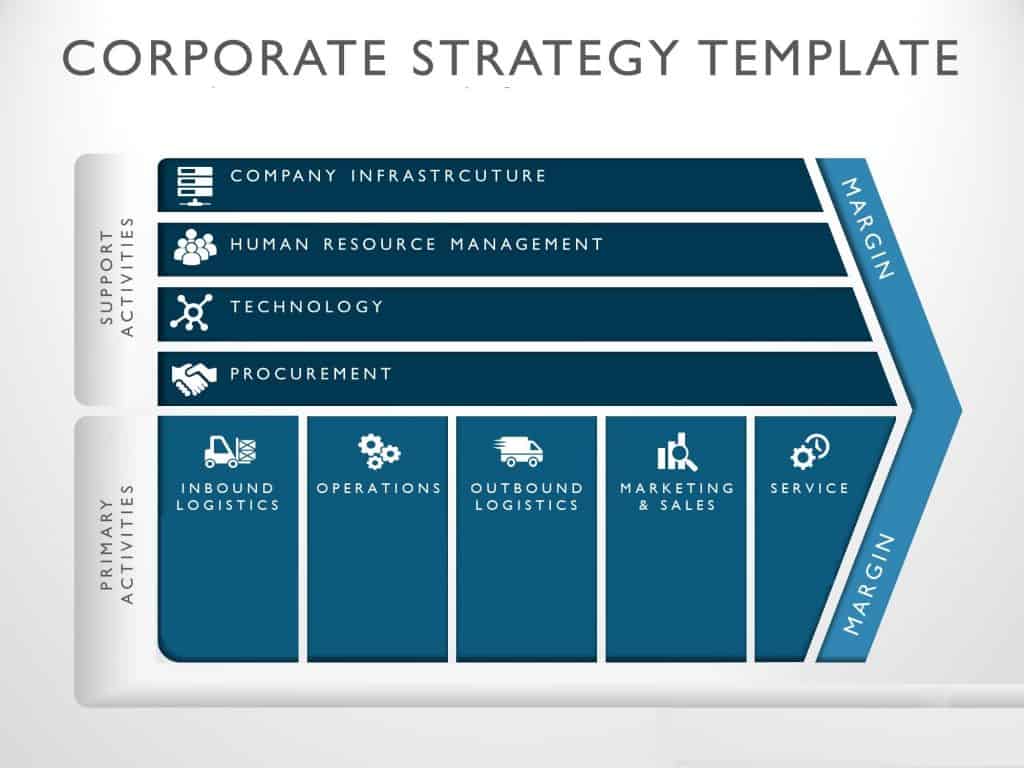
  1. Corporate strategy – the business you should be in as a company
  2. Competitive strategy – Your tactics and positioning to beat the competition
  3. Operational Strategy – Your operational methods to deliver the tactics

The purpose of this article is to provide some insights into how small business owners can better compete in the Nigerians entrepreneurial space. There is a list of academic research conducted on the survival of businesses in Nigeria here.

As an entrepreneur, you are basically up against sharks, most of whom are bigger and more experienced than you. But like it is in the ocean, the fact that the threats of the existence of bigger fish are not enough to prevent other fish from being born and competing with the bigger fish for the same source of available food.

If you follow me on this journey, I will attempt to break down what it takes to muscle things out with other corporate players in the SME ecosystem of Nigeria.

Understanding Corporate Strategy

To better understand what corporate strategy is, you should place your focus on a typical SWOT analysis typically conducted by businesses. The aim of the analysis always is to determine a company’s best positioning strategy viz strengths and weaknesses.

The primary concern of business owners while formulating their corporate strategy is with how they would as a company, approach the marketplace – where to play and how to win.

Have you ever heard about Judo, or seen a Judo fight session? I love Judo, and I have spent a considerable amount of time seeing Judokas do their thing.

One major lesson I got from Judo is that size does not matter. Judo strategy is based on three elements—rapid movement, flexibility, and leverage—each of which translates into a competitive principle.

With the rise of Internet-based competition, David and Goliath battles between companies are becoming more and more common. Fast, flexible entrants are taking on dominant incumbents, not only in high-tech sectors such as software and networking equipment but also in traditionally low-tech industries like retail – HBR

There is no denying the fact that big companies, with their deeper pockets, and unlimited access to resources as well as A-list workforce can do big things that smaller companies can only dream of as a wild stretch of their imaginations.

As a small company, though, the path to taking on these more prominent players can feel like going against a giant in battle. No matter how far you stretch, achieving the economies of scale that the bigger boys have as a result of their enormous purchasing power may seem beyond reach.

That is what makes entrepreneurship so exciting. To be a successful entrepreneur, you must have guts, hubris, and grit. You must be nimble and find innovative ways to do more with less.

To put you in the frame of mind for the suggestions here, let me remind you of one of the best-known cases of a startup taking on a giant in Nigeria.

Cowbell Milk vs Peak Milk

Peak Milk Profile Cowbell Profile
Premium quality brand New Market Entrant
High Price Cheap pricing
Owners were cash-heavy Perception of lower quality as compared to peak milk due to significant lower pricing
Wide market coverage No market presence
Sold across all major stores and supermarkets in the country Zero sales or logistics network

When cowbell wanted to break into the Nigerian market that was already dorminated by WAMCO and their premium brand Peak Milk, Promasidor, the owners of Cowbell brand, had to do some strategic manueverings.  

Corporate Strategy – The Way Of Cowbell

corporate strategy

Cowbell started by carrying out very thorough market research to understand why Nigerians drank milk. First, the background. The year was 1993, an election year. Cowbell’s study showed that Nigerians who had experienced temporary wealth with the oil boom were now feeling the pinch as they could no longer afford to buy Peak Milk, which was very expensive. With the introduction of Cowbell, a large population of poor Nigerians could now afford to buy milk. Cowbell understood that for it to stand a chance to displace Peak, it had to be ingenious; it must disrupt the market.

So, the first thing they did was to take a position, a seemingly smaller position; they positioned themselves as a brand for the underprivileged. That somehow massaged the ego of the owners of Peak milk, and it gave them the needed cloak to wield the sword unseen.

Operational Strategy – The Way Of Cowbell

Operational Strategy - The Way Of Cowbell

The next challenge was in distribution. As a startup with lean pockets, they could not utilize major distributors and supermarkets who often bought on credit. So, how would they distribute a product like this across a broad market like Nigeria?

Unlike Peak Milk, they did not have access to a deep pocket; they had no brand, nor was there a readymade logistics network that they were deploying. Cowbell came up with an alternative distribution network that boycotted supermarkets and major distributors – focusing on the direct kiosk to kiosk sales. This meant their sales were in cash, and they could push inventory at a fraction of the cost of their competitor. A masterpiece of a solution!

Competitive strategy – Cowbell’s Final Stroke tactics and positioning to beat the competition

Competitive strategy

Another major innovation by Cowbell was to exploit a core weakness of Peak Milk – it came in tins that forced buyers to consume everything at one go because the poor power situation in the country made it tough to refrigerate open tins. Cowbell’s product was powdered milk that could be opened and preserved without refrigeration.

The final piece was in the pricing. Pricing was the masterstroke of their whole market penetration strategy! Cowbell sold at 50kobo per sachet! Say what! Yes, you got that right. There was no way Peak Milk could water down their premium brand by competing with Cowbell at a 50 kobo price level.

Little by little, Cowbell grew their brand and by the time Peak Milk finally woke up from her lethargic and arrogant slumber, the damage was already done and Cowbell had gained even middle-class acceptance and was a blue-chip brand status in Nigeria. 

Strategy Lessons Learned

Don’t be greedy – go for a piece of the pie

When you are starting out as an unknown brand in a market that is filled with major established competitors, it is crucial that you niche down. Trying to take up more than you can chew can leave you with severe existentialist threats. 

Be deliberate about your research and narrow down on a niche that can give you a credible entry point into the market. What kind of service can you provide that will be exceptional enough to stand you out from the shadows of the giants that you are confronting?

For example, when Facebook was coming into the social media space, they did not confront MySpace head-on. Instead, they niched as a social media platform for students.

As they gained acceptance with the student crowd, it became more comfortable for them to shift the boundaries of the segments that they served using the market recognition that they had already gathered.

Wrap up: If you have to compete with an A-list brand in well-established markets, it is important that you find a way to disrupt the industry, differentiate your product or service and meet the needs of your market so well that they become brand evangelists for your products. 

It is suicidal to go head-on with a competitor with a pocket that can swallow you without leaving a dent. Come in from the flanks and serve markets that your competitor is currently under-serving and make them your core market. 

Does this guarantee that you will win? Hardly. 

However, with detailed and creative thinking, grit, and innovation, you will be able to use the small size of your startup to your advantage. 

Niche Down on Your Product and Market Segment

The main reason why you are in business is to provide solutions to problems that your customers are facing. However, of what good is a solution if nobody knows that it exists? If you have found an angle, there is every reason to make sure everyone knows about that competitive angle you have and associates it with you.

Selling is effectively about storytelling. It would be best if you found that angle that stands you out from others, which can be the reason you decided to get into your business, the value embedded in your products and services and what stands you out from the rest.

Having decided on your angle, weave it into a compelling story that can be shared across your marketing co-laterals.

Suggested reading – Learn Dropshipping in Nigeria, click here

Don’t Give Up Too Soon.

258

Learning to Adapt on the Fly is a skill that can help you navigate better and get you to your next destination in life – Scott Burrows.

One thing I’ve learned about life is that it deals you the hand it believes you can handle. A lot of times we start a project, we embark on a journey, or at the least, we get the inspiration of an idea but like most people, we look at situations around us and get defeated before we even tried.

Life is not for the faint-hearted, to succeed, you must be willing to defy the odds, to go beyond and above for what you believe in – Read Don’t Quit

Do not let another person’s reality define yours, pull yourself up and swallow your frog. I always wake up to doing the worst item on my To-Do list before any other thing. I found out early that to get things done right, you must do the difficult ones first.

Are you allowing any major challenge hold you down from achieving your dreams in life? Remember, your dream is a direct reflection of your capability. You cannot dream about what you do not have the capability to achieve. All you need do is believe that you can, go for it, and you’d achieve it.

Consider reading up on Mentoring, A Missing Key To The Development of Youths in Nigeria – click here

Mentoring, A Missing Key To The Development of Youths in Nigeria

Mentorship is a relationship in which a more experienced or more knowledgeable person helps to guide a less experienced or less knowledgeable person. The mentor may be older or younger than the person being mentored, but he or she must have a certain area of expertise – Wikipedia.

No scenario better exemplifies the above definition of mentorship than that demonstrated at the audition stage of the 2016 edition of America’s Got Talent.

The scene puts Laura Bretan walking to the center of the stage; her hands clung to the microphone like it had the power to steady her trembling feet.

All eyes were on her; they all begged to know what the 13 years old girl with shaky hands and the look that says, “I’m unsure of myself” brought to the table. The room went quiet for what seemed like an eternity, with Simon Cowel staring directly like saying “Why are you here little girl”…

However, Laura opened her mouth to sing, lightening up the room, leaving everyone bewildered.

She rendered her piece with the touch of a seasoned professional – she just delivered one of the best performances to a highly technical opera –

“I think this show is going to completely change your life, and I’m going to change your life right now.” 

“Bretan would later advance to the finals, placing 6th overall, but no one would ever forget that first performance. “It was a dream come true” and performance that still sends shivers down the spine with its supernatural beauty.”

With those words spoken by Mel B. on America’s Got Talents show in 2016, Laura Bretan has since moved from being that girl that was described by Simon Cowel as coming up like a jelly in 2016, to become a well sought after Opera singer three years after.

One of her fans had this to say about her -” The truth is this girl, who is only16, has one of the most divine voices on this earth.”

Laura probably would not have risen to the point she is now if she was not mentored by some of the best in the music industry worldwide. She was unleashed on the world – One of the most angelic voices of our generation.

Every year an average of 414,00 businesses are registered in Nigeria. Unfortunately, only about half of that number survive past the five-year mark, and even then, the majority of those also end up winding down before they are ten.

Please consider reading up on how best to build systems that aid running successful businesses in Nigeria – click here.

As an entrepreneur myself, I’ve wondered how best entrepreneurs can change the narrative – ways to increase their odds of survival. Then it occurred to me that all along, I had struggled because I do not have someone to push me when I needed guidance, someone who like me, walks the path of entrepreneurship.

Suggested Read – Don’t Quit

What a growing entrepreneur needs most is real guidance from a mentor. New small business owners often lack one fundamental thing — experience.

It takes lots of sleepless nights, days, and even years, and sometimes lots of money, to gain the required business experience to run a successful company. Mentors allow you to draw on that experience right away — and for free.

Working with a mentor has proven to be an indicator of success. The stories of most Nigerian entrepreneurs would have been different if, like Hugo, they had someone to help them find their feet.

Unfortunately, only a few business, political, religious leaders take time out to mentor others. If entrepreneurship must be sustained in Nigeria, we must seek ways to attract mentors and get them to commit to mentoring.

ATTRACTING SUITABLE MENTORS AND GETTING THEM TO MENTOR YOU.

“Will you be my mentor?” That is one question that a lot of successful entrepreneurs get asked. Unfortunately, this question almost always gets NO as a response to the dismay of the entrepreneur.

The issue is not that the successful entrepreneur does not see the need to provide mentoring; the problem is that he isn’t sure of his availability. Listen, mentoring takes time, and time is what most successful entrepreneurs don’t have to give away.

All hope is not lost; the solution to getting yourself a mentor lies in the definition of mentorship: mentorship is a relationship, one that must be cultivated to grow.

One practical way to get yourself a mentor is to search for the Linkedin profile of the person you seek mentorship with, read his or her articles, then make meaningful contributions to all of them if you can.

One practical way to get yourself a mentor is to search for the Linkedin profile of the person you seek mentorship with, read his or her articles, then make meaningful contributions to all of them if you can.

Always ensure to be of value to him/her without making any request. Someday, I bet your mentor would take notice of you and reciprocate the value exchange.

Lastly, on attracting the right mentor, do you know that you are also mentoring some people without you knowing it?
Pick your mentor and start to learn from him while you find ways to get close to him or her.

How To Build Solid Business Systems And Structures

Building a culture that promotes the building of business structures and systems in your business is one of the keys to running a successful business, especially for a startup with not so solid business experience.

As an entrepreneur, the best way you might have a chance of claiming back your life while building a successful business is to set up effective business processes, systems, and structures.

What Are Business Systems And Business Structures?

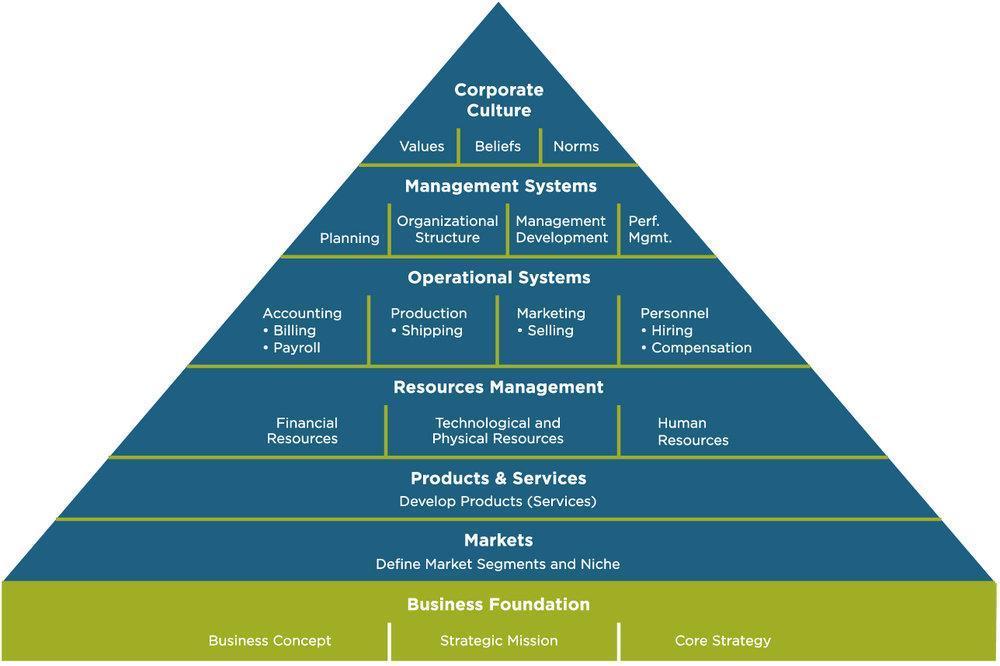
A business system is a methodical procedure or process that is used as a delivery mechanism for providing specific goods or services to customers. While a business structure is the organization framework legally recognized in a particular jurisdiction for conducting commercial activities, such as sole-proprietorship, partnership, and corporation – BusinessDictionary

Does Your Business Truly Need A Business System And Structure To Succeed?

Have you ever been to a library? Now, imagine that you are in a library with over one hundred thousand hardcopy books and over five million e-books. How do you suppose the library would operate without a system to catalog and automate the rental and return processes associated with gaining access to books in the library?

An effective business system breaks your tasks into smaller functional units; and then automates such processes for efficiency and effectiveness.

Fortunately, there are lots of softwares out there that aid building business systems through process-identification and automation. Setting up an effective business system is not an easy feat, but if achieved, can help see your business grow as expected.

4 Important Reasons Why Your Business Needs Business Systems and Structure?

Here are some reasons for putting business systems and structures in place for your business:

  • Delivering Consistent Performance: 

A well implemented business system and structure is designed to give you efficient, effectiveness, and scalable results, whether from the point of operational safety, quality, or timeliness.

A sound business system will provide you with repeatable results that enable long term planning. The long and short of it is that a good business system gives you a “reliable process to prevent and fix your mess when they happen”.

Suggested post: How well do you handle distractions

  • Exceeding Customer’s Expectations: 

Having business systems in place affords you the opportunity to measure, analyse, and test variants of different possible needs of your customers. You will be able to see areas where improvements are needed in your product development, service delivery, and meet other needs that are unmet. With systems in place, the brand perception the community has for your business will grow, as predictability is usually associated with stability.

Suggested Reading – When It Comes To Customer Service – Don’t Be Good, Be Outstanding.

  • Optimal Employee Engagement: 

The objective of any system is to enable employees to complete their jobs effectively, eliminating the need for excessive handholding or babysitting. It also seeks to input their ideas and creativity into your standardized operations to avoid having lone rangers who only know how to get the work done, while their colleagues run around in circles. A business does not need ‘lone stars’; you need teammates¾those we are willing to work with others to produce shared victories. Another employee benefit here is that systems allow you to quickly integrate new hires and enable them to hit the ground running with a clear view of how they fit into your organization, what their job roles are, and what is expected of them.

  • Reduce Operational Costs and Increase Profits: 

A well-optimized system reduces operational costs without having to use uncharted approaches that may reduce the quality of your outcomes. Again, when your people are not spending time moving around in circles, they are able to deliver results faster, which means more work gets to be done in less time.

Here Is How Business Systems Help Businesses Scale.

To highlight and put the importance of systems in proper perspective, let us imagine that you have a talent for cooking and everyone in the circle knows you as the best cook in town. Then you decide to set up a business made up of you alone. At some point, you would need to hire people and find a way to duplicate yourself.

While these people may not have your knack for cooking, you must put down your processes for each dish in such clear and easy to follow manner that they are able to run the business for you, giving your dishes predictable and consistent tastes.

It would be much easier to get such a system to run and scale beyond you to any levels you aspire, even if you were to run your restaurant in all major cities in Nigeria. You see, this can only happen if you embrace business systems and begin to see your business beyond yourself.

A system breaks down your businesses into unit tasks with standardized and verifiable outcomes at the end of each job. Then it helps to connect all the interrelated processes that are required to work in sync towards achieving a business goal.

If you genuinely want to thrive in the world of entrepreneurship, the systems and processes are indispensable building blocks for your business. All facets of your operations, on the storefront, factory, and office administration can be added as part of your system. Your system, once set up, can be analyzed and optimized for efficiency.

The truth is, building business-systems is annoying, not as fun as regular startup topics like raising capital, product launch, or media appearances. When we think about systems and structures, we get the notion of a machine with multiple moving parts, very complex operations working in sync! However, when we think of our business, we do not yet see it as that complex. There is no difference.

Sometimes, when working in sectors that you are very proficient at or passionate about, you could say things, like: I could do it in my sleep. Well, nice. I bet that you could! However, let us imagine that you received a mail to travel out of your country for about three months, what would be the fate of your business?

Systems and processes are indispensable building blocks for your business if you truly want to thrive in the world of entrepreneurship. All facets of your operations, on the storefront, factory, or even office administration can be added as part of your system which you can manage using exact principles that optimize efficiency.

This is particularly so because of our peculiarity to business, our family ties, culture, etc that makes it hard to separate business from the owners.

I stumbled into entrepreneurship from my resolve to be more economically productive than my parents. I wanted a life similar to most 6 figure earning Americans I see on television, travelling around the world on first-class flights with the waiters at my beck and call.

I envisioned that to be economically stable, I needed to do something different from my parents. I needed to start my own business rather than work a nine to five on someone else’s business. I knew that I must set up multiple steady streams of high income to live the life I desired.

Similarly, for most people, starting a business is often motivated by their craving for an above-average lifestyle. Some of these people only seek blissful freedom believed to come from being bosses.

In reality, however, only a handful of entrepreneurs get to live such lifestyles. The most dedicated entrepreneurs are often enslaved and are at the mercy of the businesses they set up, expecting to free up time.

Such systems once set up, take away the number one impediments to entrepreneurial success – YOU. Functional structures and processes around your business help the business function without you having to scream your lungs out, and living reclusively.

Unfortunately, most business owners, especially in Nigeria, hardly talk about putting the right systems and structures in place. Instead, they proudly recount with nostalgia how they hardly sleep and how everything would collapse if they ever took a day off work.

The truth is, building business systems is boring, not as sexy as normal startup topics like funding raising, product launch, or media appearances. When we think about systems, we get the notion of a machine with multiple moving parts, very complex operations working in sync! But when we think of our business, we do not yet see it to be that complex. There is no difference.

But let us imagine that something happens: for example, you have to take a sudden important trip out of the country, or you got hit by a bus (remember the bus test?) and are confined for treatment in an ICU.

The big question is: What would be the fate of your business?

For the entrepreneur with well-developed systems, it is just a matter of someone stepping in immediately or giving a run-through of how the system works, and a reasonably qualified person replaces us at our task without the business losing a beat.

With too much to do and little time to get things done, you may just stretch yourself until you burst at the seams and you heave under the burden of burnout, or until your business suffers from the effect of too many things going wrong.

As I said before, the solution to a problem like this is the right business system.
business systems and structure

Four Simple Steps To Create Effective Business Systems That Helps Free Up Time.

Learn to delegate.

The biggest challenge most startup founders have is the willingness to let go and leave the operational activities of their business in the hands of others. To grow your business, you must train your staff and be confident in them enough to transfer critical processes to them for implementation them to implement. u003cbr/u003eu003cbr/u003eMicro-managing every detail puts you in the way of your business growth. However, with systems and the right structures in place, your employees become accountable, and you can free up time enough to focus on growing the business.

Setup Processes and Automate Where Necessary

Try to seek out repeated tasks that follow the same path every time they are implemented. What if there are processes that you can adopt, simple tech tools that can allow them to run without you always having to be present?

There are many companies in Nigeria that offer process automation as services. Take time out to research the ones that fit into your business and be willing to give them a try.

Develop Process Manuals or SOPs:

A standard business system consists of the following items: Training materials, Standard Operations Procedures, Worksheets, Sample completed orders, Documented troubleshooting steps, workflow charts, and any other resource that may be needed to render efficient customer service.

For example, process checklists are essential to ensure that output remains consistent and predictable. Airlines, for instance, use checklists to complete takeoffs and landing, regardless of the experience of the pilot.

Doctors use checklists too in carrying out routine surgeries, regardless of their experience. It is a known fact that a simple checklist can boost efficiency and maintain safety by more than 40%.

What can a 40% boost in efficiency do for your business? Think about it.

Hire Trustworthy and Competent Employees:

Of course, you cannot possibly automate all processes in your business. There would always be some complicated situations that require someone to make bold decisions on how the process should flow.

Because of this, it is crucial to accommodate for some process flexibility in your system by hiring the right people so that you can trust them to get the work done right. Line of sight decision making is the name I have for that.

Typically, you are aware of the lapses of your system, but you trust your team to make the right decision on a case-by-case basis. For example, a client calls and insists that a job that was supposed to take a week to deliver, should be submitted in two days.

Your people should be able to know how to work around your system to arrive at a decision that aligns with your business goals. Systems are meant to show the way, not rob your team of initiative or creativity.

Create a bi-directional training flow.

If you are to trust the initiative of your employee to do things right without you shadow hovering behind their backs, it is important that effective training is given to them not just on how things are done but also on why they are done that way.

This will empower your team to question your processes and weed out inefficiencies and redundancies from your workflow. If you want a process that gives result, it should to open to critique from the people that use that process in their day-to-day work.

And when process inefficiencies are identified, find a way to appreciate the staff who suggested the change. He just saved you money, so be generous. This will encourage others to have their creative juices flowing as they run process checks at work, and before long, you will have lean processes that run like clockwork.

Measure the efficiency of your systems: 

If you want your system to be successful, you need to build a feedback mechanism into it. This will make it easier to see when things are going as planned, and where there is a need for optimization, you make room for that.

You could also set a process for reviewing feedbacks, and the duration between each feedback review. As your business continues to scale, these structured feedback loops will improve the focus of your system and enable it to deliver consistent results.

Your system does not need to be perfect, yet:

Some business owners feel that before they document a system, that they have to wait until they have a perfect one. The truth is, if you do not have a documented process, you cannot improve it in the real sense of the word. So, leave a margin for error and create your system by the way.

It is not so strange that in business, as in life, things don’t always go as intended. When you have errors in your system, the important thing is to build the learnings into the system to ensure that the same error doesn’t occur twice.

When your team is able to optimize the system in this manner while things are in production, it improves their confidence and helps them further take ownership of the system.

The biggest businesses in the world are run with systems. If you want your business to outlast you, then build systems into your processes, measure, and track what works. Also learn to eliminate inefficiencies, hire the right people, and leave your system as a blueprint in their hands for implementation while you ensure control is installed.

If your business will journey towards sustainable success, your system is the map.

Tools:

  • Right leadership
  • Experienced Employees
  • Right Cashflow

Materials: Right leadership Experienced Employees Right Cashflow

4 Important Reasons Your Business Needs Systems

  • Exceeding Customer’s Expectations: 

Having business systems in place affords you the opportunity to measure, analyze, and test variants of different possible needs of your customers. You will be able to see areas where improvements are needed in your product development, service delivery, and meet other needs that are unmet. With systems in place, the brand perception the community has for your business will grow, as predictability is usually associated with stability.

  • Delivering Consistent Performance: 

A business system well implemented is designed to give you efficient, effectiveness, and scalable results, whether from the point of operational safety, quality, or timeliness. A good business system will provide you with repeatable results that enable long term planning. The long and short of it is that a good business system gives you a “reliable process to fix your mess”.

  • Optimal Employee Engagement: 

The objective of any system is to enable employees to complete their jobs effectively, eliminating the need for excessive handholding or babysitting. It also seeks to input their ideas and creativity into your standardized operations to avoid having lone rangers who only know how to get the work done, while their colleagues run around in circles.

A business does not need ‘lone stars’; you need teammates¾those we are willing to work with others to produce shared victories. Another employee benefit here is that systems allow you to quickly integrate new hires and enable them to hit the ground running with a clear view of how they fit into your organization, what their job roles are, and what is expected of them.

  • Reduce Operational Costs and Increase Profits: 

A well-optimized system reduces operational costs without having to use uncharted approaches that may reduce the quality of your outcomes. Again, when your people are not spending time moving around in circles, they are able to deliver results faster, which means more work gets to be done in less time.

If your business will journey towards sustainable success, your system is the map.

Impediments to Building Systems And Structures In Your Business

Often, the success or failure of an enterprise depends on the entrepreneur’s mindset than any other external factor.

Here are the 2 ways an entrepreneur’s mindset could be an impediment to the success of their ventures, and how to avoid them:

1. Perfectionism 

According to Wikipedia, perfectionism drives people to attempt to achieve unattainable ideals or unrealistic goals, often leading to depression and low self-esteem. 

For entrepreneurs, practice doesn’t always make perfect; action does. You must learn how to take the plunge, you simply cannot wait until you have 100 percent of the resources you need before you dive into the ocean.

When I wanted to start ExpertsNg, I remember thinking that I was coming late to the party, there are thousands of bloggers in Nigeria at the moment with new ones coming into my niche daily.

I told myself that I needed to get things done right, I needed to write at least 50 blog posts, rank on Google for a few keywords and have some guest bloggers before I could launch my site.

In reality, by the time my plan was done being “perfect”, there would have been about 50 to 100 more sites that would have launched and I would have to contend with eventually.

The most important thing for an entrepreneur is to achieve set goals, unfortunately, perfectionism stands in the way, the earlier an entrepreneur learns to start with whatever is handy and at whatever level, the faster their chances at success.

2. Anxiety

Your decision to be an entrepreneur passes through fire as gold is validated by fire from the time you consider being an entrepreneur.

Whenever I hear that word entrepreneurship, what readily comes to my mind is a picture of a mouse decked in helmet trying to get a piece of cheese from a mousetrap. The mouse is not scared of being mauled by the trap, instead focuses only on the goal – A mouthful of delicious cheese.

Besides, entrepreneurs must overcome the fear of failure and focus on the goal. Not giving in to fear of failure or rejection was the secret to my success as an entrepreneur.

Let me have your opinion on this article in the comment section below, thank you.

SUGGESTED

Understanding Product Trends

7 Ways To Prevent Business Failure

Understanding Product Trends

Solved: Top 6 Challenges of Small Business Owners Today

How To Solve Your Customers Pain Points

Dropshipping In Nigeria: Complete 2019 How-To Guide

How To Start Fish farming Business in Nigeria.

I’ll teach you how to start a fish business in Nigeria but first let us start by a brief introduction into the subject.

Introduction

Fish farming or pisciculture involves raising fish commercially in tanks or enclosures such as fish ponds, usually for food. It is the principal form of aquaculture, while other methods may fall under mariculture. A facility that releases juvenile fish into the wild for recreational fishing or to supplement a species’ natural numbers is generally referred to as a fish hatchery. Worldwide, the most important fish species produced in fish farming are carp, tilapia, salmon, and catfish.[1]

In Nigeria, one of the most popular types of livestock farming you would see around you is fish farming – and it is for good reasons.

In the past, to eat fish, one had to go out to the fish market and buy river-caught fish. Those days are long gone. Today, modern farm practices have made it possible to grow fishes in farms and even have a say as to the number of fishes the farm should output.

Fish farming has become a very lucrative business and the growth in the sector is driven especially by the continuous rise and seemingly insatiable market demand for fish.

Hence, whether you are an existing farmer looking to expand the scope of your farm, or you are a complete newbie just getting your toes wet in agriculture for the first time, the prospect in fish farming is too great to ignore.

However, before a farmer starts a fish farm, there are several basic considerations to keep in mind. As lucrative as the business can be if one were to jump right in without gathering proper information, the outcome can be a devastating loss.

So, What is the Objective of Fish Farming in The First Place?

Fish farming is defined by the Food and Agricultural organization as the raising of fish for personal consumption or for profit.

The objective of any fish farm is to produce fish to meet market demands at a good profit. Notice from that statement that the whole essence of commercial fish farming is to meet market demands. Hence, without consistent demand for fish products in the marketplace, there would be no need to establish a commercial fish farm.

Where demand is given and the need for a commercial fish farm is established, there are three critical factors that can determine the success or failure of any fish farm project. Those factors are water quality, feed quality, and fingerlings quality.

How a fish farmer manages those three cardinal qualities, where market demand is a given, determines the viability of a commercial fish farm operation.

The Three Factors That Determine The Success Of A Commercial Fish Farm

Based on the above, we can isolate 3 key factors that you need to give attention to have a successful farm.

  1. Water quality: This is the most difficult part of fishpond management to sustain. As I pointed out earlier, fishes are coldblooded animals, and as such, water is not just where they live. The quality of water has a direct impact on feeding efficiency, the rate of growth, the health of the fish and their overall survival. The priority of the fish farmer here is to employ sound water management practices to ensure that the farmed fish have a stress-free environment to grow. To maintain water quality, the fish farmer must keep an eye on parameters like dissolved oxygen, temperature, turbidity, organic loading, ammonia levels, and fish density.
  2. Feed quality (and quantity): For a commercial fish farm, the recommended feeding practice is complete feeding through nutritionally complete fish pellets to have control over the rate of growth and fish nourishment. These pellets will supplement the natural food production of the pond and ensure that the stocked fish have enough food. Keep in mind that as the number of feed increases in the pond, there is a reduction in water quality marked by reduced dissolved oxygen in the water. This is as a result of the fact that fishes use more oxygen to feed and digest their food and the fact that naturally occurring organisms in the pond require oxygen to break down the byproducts of the feed. It is, therefore, better to use floating pellets as feed instead of those that sink to the bottom of the pond. Additionally, floating pellets indicate that the starch in the feed was cooked at the fish mill, and African catfishes do better when the starch in their feed has been cooked. Keep in mind that floating pellets are more expensive, so you will have to decide if it is worth the additional expense. A good practice is to add the pellets at 7 am and 5 pm daily, at the same spot. Maintaining the same feeding spot will train the fishes to learn to eat at that spot and enhance feeding frenzy to maximize feed consumption levels.
  3. Fingerlings quality: This depends largely on the hatchery where the fingerlings are sourced, and the transportation practice from the hatchery to your fish farm. So, while it is important to bargain for a low price of fingerlings, keep in mind that a good fish farmer should be willing to pay more for higher quality fingerlings as he knows that the success of his farm large depends on the survival rates of the fingerlings introduced. Also, note that very good quality fingerlings might be compromised by the way and manner it was transported to the farm from the hatchery. Ensure that whether transported in bags or tanks, enough oxygen levels are maintained and that you do not exceed recommended carrying levels (1kg of fingerlings to 10 liters of water).

Deciding on The Type of Fish You Will Farm

In deciding on the species of fish to grow in your commercial fish farm, keep in mind that fishes are cold-blooded animals. What this means is that all their body functions are determined by the temperature of the environment in which they find themselves.

With that in mind, it is critical that one selects fish species that are proven to do well in African waters. This ecological consideration can determine the sustainability of a fish farm operation.

fish farmingSo, which fish will do well in Nigerian fishponds? Two species readily come to mind: tilapia and catfish. Of the two, the catfish has even better records in Nigeria and most fish farms owe their profitability to it.

Here is the brief science behind that, and the reason why we would encourage you to grow catfish.

The natural habitat for African catfish, the type we farm in Nigeria, is calm and vegetative waters. In most of these areas, however, high fluctuations occur, going up in the rainy season, and very low in the dry season. This coupled with high levels of organic matter that flows in these waters especially during dry seasons put a strain on dissolved oxygen supply and results in elevated acidity levels.

To survive in these waters, the African catfish has adapted by:

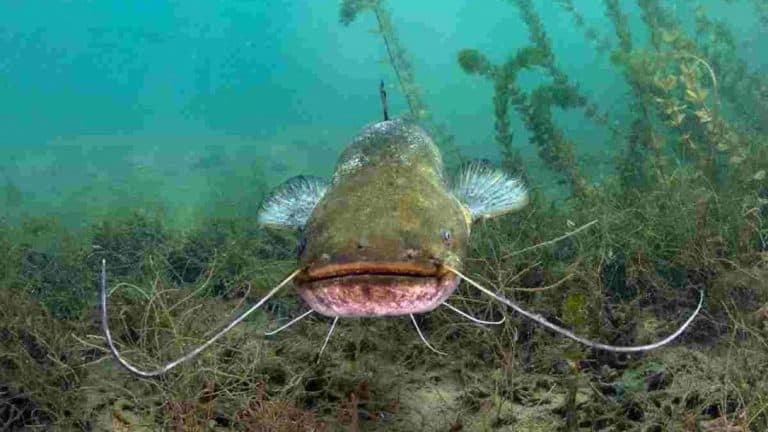
  1. Oxygen adaptation: Developing a cauliflower-like organ which it uses to get oxygen from the air. This makes it possible for the African catfish to survive in water conditions that would be extreme for other fish species.
  2. Body makeup: The fish has no scales, but rather has a slippery mucous membrane on their thin skin, which enables them to burrow into mud when water levels drop. Additionally, it has barbells that allow it to sense food even when visibility has been reduced by organic matter or mud.
  3. The catfish is an Omnivore. This means that it can eat anything, which makes it easy to sustain the feeding of the fishes, which allows for a wide range of options in providing for its feeding. Even poultry droppings have been used widely with a good outcome. However, a drawback on the omnivorous nature of the catfish is that adult fishes can feed on smaller ones, hence the need for close management monitoring to sort fishes out according to their sizes.
  4. Social hunters and feeders: The social feeding nature of the catfish makes it best to feed them from a single spot to create a frenzy. This frenzied eating reduces both food wastages and therefore, fish production costs. This is an important factor since feeding costs are about 60% of fishery management costs.

Fish Farming Methods

The decision on management methods and the technology to be employed is best made after one has determined what the market needs. Keep in mind that the management methods you employ will have a direct effect on the quality of the product that you produce, and the price that your products can command in the market.

For example, if you decide to farm your fishes in the plastic pond, it would not perform as well as it would have if they were farmed in properly situated dugout ponds.

For example, the type of feed that you give to your fish will have a direct bearing with the quality of the fish that you produce (fat content, taste, etc).

Selecting A Location For Your Fish Farm

A farm situated close to the city would pay higher for land, as opposed to a farm that is situated in a rural setting.

In selecting your site, you would also consider the future cost of expansion, should you need to add more ponds to your farm. If your farm is close to the city, it may be more cost-effective to increase the capacity of existing ponds that you have, as opposed to digging out new ponds. This is because of the likely high cost of land closer to the cities.

However, a farm that is situated in rural areas will have better access to water, land and even labor at lower costs. Such a farm can afford to have large production units and even produce for the bulk markets.

Additional factors to consider in selecting your farm location

  1. Access to suitable land: You need land with good soil texture, access to water and with no history of flooding. On the matter of flooding, some have set up ponds, fed fishes almost to grow out stage only for a flood to ruin everything overnight. Make thorough findings before you jump on any site. There just might be a strong climatic reason why that seemingly excellent location is not currently housing a fish farm.
  2. Accessibility of the location: It is important to factor in the cost of transportation of both inputs to the farm and end products to the market to help determine what is in the best interest of the enterprise. Transportation costs add to the product cost, which has a clear effect on profitability.
  3. Availability of the market and market needs: If your sales strategy depends on retail directly to customers at the farm, it is better for your farm to be close to the market as possible. However, if you plan to sell in bulk, you can transport your products to the market periodically. Keep in mind that fish is highly perishable, so if you plan to transport live fishes across a distance to the market, you should invest in equipment that facilitates fish transportation.
  4. Activities on neighboring properties: All farmers should be careful to monitor what goes on in adjoining properties because of the impact that this can have on their fish farm production. For example, it would be dangerous to site a fish farm with earth ponds in a cocoa farm, because of the danger of chemicals wash offs from cocoa spraying activities. Similarly, you would not want to site a farm close to a factory where effluents enter your water sources. Such effluents have an impact on the quality of water, and by extension, the performance of your fishponds.
  5. Utilities and road network: You would need electricity to pump water in and out of your ponds, and a source of water like a borehole for the ponds if your farm is not situated close to a natural body of water. Additionally, a good road network between your farm and markets will improve accessibility and reduce your operational costs.

Consider adding value to your fish

On a final note, once your fishes have attained the desirable sizes, you need to sell them off; otherwise, you will have to continue feeding them which would not be cost-effective.

It is also advised that when sales cannot meet up with production volumes, consider adding value by either smoking your fish of filleting them, which eliminates the need for ongoing feeding of market-ready sizes.

Suggested Reading: 5 Steps To Your Biggest Sale of 2020 This Black Friday

That way, you get to make profits beyond the traditional 10-30% that is common form fish farms in Nigeria.

As you consider whether fish farming is the best way to go, I wish you the best in your endeavors.

The market opportunity for the African Catfish in Nigeria and Overseas

Apart from the favorable biological characteristics of the catfish, there is both a local and regional market for the fish, as well as a growing overseas market sustained by the immigrant population from West Africa. These make catfish a great candidate for commercial fish farming.

Currently, there is a significant shortfall in the supply of fish in Nigeria, which is a result of poor fishing practices like overfishing. The demand for fish locally has naturally continued to rise with the rapid growth in the population of the country. This demand cannot be met by existing fish farms, which validates the clear market need for more sustainable fish farms to be set up in the country.

However, while we have established there is a market for catfish, it is still important that you determine a local market for your products, especially if you are not considering processing the fish beyond harvest.

Surveying your market and determine their true needs

Keep in mind that it is one thing for people to tell you in a survey that they would buy fish from you if you had fish and quite another thing for them to really buy the fish that you sell when you eventually do.

What I recommend that you do is take your survey beyond a question and answer model and give it more life. In other words, put your potential market on the spot and test how much fish you can sell to them on a good day, and what buyers have to say about the fish that you are selling.

Wondering where you would get fishes from to carry out your test?

You would buy them from existing fish farms, of course!

Do you think that is expensive? Truth is; it is far cheaper than starting a farm that fails just because people cannot pay you what you were hoping to get per kg of fish. Besides, the insights you will gain from both buying from other farms and selling to your potential customers will be more valuable than the amount you spend.

Know your product

Extending from the survey, you should be able to tell what kind of products your market needs, and whether they want it alive, fresh, filleted, or smoked. Knowledge of the quality of your product also presents an advantage during negotiations. For example, with a restaurant as a client, you should be able to supply standard size and guarantee the availability of that size on demand. If you are supplying to an intermediary like a food processor, you will be required to keep adequate records of the feeding practices you employed in growing your fish. This will lend your processes the traceability required to access those markets.

Oceans VS Seas

251

Lets talk Oceans VS Seas. Did you know they re not the same?

Several people interchangeably the the words oceans and seas when talking about earths largest bodies of water.

However, there is a difference between the two terms, geographically speaking.

Both the oceans and seas are large or vast waters-which account for over 70 percent of the total landmass area. Even as they’re waters, oceans and seas are different in many ways. The major distinguishing factor being the size and location of both.

Oceans

Oceans are waters between the continents, such as the Atlantic Ocean separates Africa from North/South America and Europe; Indian Ocean separating India from Africa, Pacific Ocean separating North and South America from Asia.

The ocean floor is made up of dense basaltic rock, this is vast continuous body of water, which account for over two-thirds of earth area. The world has seven of these waters.

Seas

Seas are smaller in size than the oceans. They are generally a large expanse of salty water bothered by land, except for the Sargasso Sea, which is defined only by its currents.

The modern day acknoweldged seas are 7. They are the Arctic, North Atlantic, South Atlantic, North Pacific, South Pacific, Indian, and Southern Oceans. With the exception of the Sargasso seas.

What is the Sargasso Sea?

oceans vs Seas,seas,oceans
Image Source: National Ocean Service

Generally, the distinguishing factor between oceans and seas is that seas are boardered by land.

Thsis is, however, not true with the Sargasso seas. The Sargasso Sea is located entirely within the Atlantic Ocean and it is the only sea without a land boundary.

Sargasso Sea, USA

Latitude and longitude coordinates are: 34.307144, -66.269531.

The Sargasso Sea is a part of the North Atlantic Ocean located near the eastern shores of the United States of America and bounded to the west by the Gulf Stream. It received its name after so-called the Sargassum seaweed traces, discovered by European travelers in the 16th century. The sea has got fame for its deep blue water and its extreme clarity. In contrast to most of the other seas on the planet, the Sargasso Sea has no land boundaries except the ones of the western part of the sea, which are the shores of the United States. From its northern, eastern, and southern sides the sea can be distinguished from the Atlantic Ocean only by the color of its waters.

Understanding Entrepreneurs – What It Means to Be One


Understanding entrepreneurs, especially the successful ones is not just a simple intellectual exercise. This statement begs to know who entrepreneurs really are, what makes them different from others, what do they do differently, why they do things differently, etc.

Who is An Entrepreneur: According to Wikipedia, an entrepreneur is a person who organizes a venture to benefit from an opportunity, rather than working as an employee. Entrepreneurs play a key role in any economy. These are the people who have the skills and initiative necessary to anticipate current and future needs and bring good new ideas to market.

Entrepreneurs are unique people, constantly risking all for the good of expected success. They are constantly seeking ways to find silver linings in dark clouds; constantly seeking what to create out of challenging situations – ways to provide goods and services that consumers have always wanted but no one seems to know how to go about producing them. Those who prove to be successful in taking on the risks of a startup are rewarded with profits, fame and continued growth opportunities. While those that fail often suffer losses and become less important in the markets.

It is better to become what you understand than remain what you do not understand.

The economic situation of many countries especially Nigeria calls for a renewed vigor on the importance of entrepreneurship pursuits as a way out of the economic quagmire many find themselves. Across these countries, schools are rushing to introduce entrepreneurship classes; self-help books for business founders are topping the best-seller lists, and governments are sponsoring different programs aimed at kick-starting the entrepreneurship culture of their citizens.

In all of these, I am inevitably made to ponder on this question: Are entrepreneurs made, or born? Can every single individual out there be persuaded or compelled into entrepreneurship?

To give an answer to this question, my quest took me to review the works of one of the professors I was fortunate to be in class with Noam Wasserman at Harvard business school, USA.

According to Noam, entrepreneurship can be taught – “Take the lessons about what works and what doesn’t, analyze and organize them, and then teach them—just as we do with engineers, doctors, and lawyers.”

But, according to a different school of thought led by Victor W. Hwang, Entrepreneurship can’t be taught in a regular classroom any more than surfboarding can. To learn it, you have to get your feet wet in the real world.

He went further to infer that Entrepreneurship is also a team sport, not a solo skill. We all know the myth of the “lone genius” entrepreneur tucked away in a basement or garage tinkering with an invention. In reality, an entrepreneur has to deal with lots of different people daily, all of whom present social barriers to overcome, whether it’s geography, culture, language or just plain distrust.

While it is difficult to conclude on which of the 2 points is a superior argument, I am made to conclude that entrepreneurship is learned through the aggregate experience of a life that is lived.

In Nigeria, some are born entrepreneurs, while majority are forced to become entrepreneurs by the hand life DEALS THEM.

Olufemi Akineymi

To be a successful entrepreneur, however, one must possess certain skills, traits, and social qualities. This is particularly so because entrepreneurship is not for the faint-hearted. As often quoted by many – “The road to entrepreneurship is often a treacherous one filled with unexpected detours, roadblocks, and dead ends. There are lots of sleepless nights, plans that don’t work out, funding that doesn’t come through and customers that never materialize.”

Some of these are:

  • Nonconformity: Low conformity to rules
  • Self-efficacy: Individuals with a high level of self-efficacy believe they are capable of attaining set goals
  • Achievement Motivation: Entrepreneurs have higher achievement motivation than the rest of the population
  • Preference for Innovation: Entrepreneurs seek to do new things or familiar things in new ways
  • Low Uncertainty Avoidance: Entrepreneurs are more likely than others to accept uncertainty

In conclusion, Entrepreneurs are at the vanguard of the recovering global economy, and collectively, we must pursue what it takes to make the world a better place to live in.