The Inflation rate in Nigeria has risen continously for the 13th month straight by the end of September 2020, and it has been attributed to the rise in the prices of goods and services in the country.
According to the report released by the National Bureau of Statistics, the Consumer Price Index (CPI) increased by 13.71 percent year on year in September 2020 compared to 13.22 per cent in the preceding month.
According to the CPI report for September, which was released Thursday by the statistical agency, the 0.49 percentage increase occurred in all the divisions that determine the headline index.
The composite food index rose by 16.66 per cent in September compared to 16 per cent in August.
All items less farm produce or Core inflation, which excludes the prices of volatile agricultural produce stood at 10.58 per cent in September, up by 0.06 per cent when compared with 10.52 per cent recorded in August.
This rise in the food index resulted from increases in prices of bread and cereals, potatoes, yam and other tubers, meat, fish, fruits and oils and fats as the sub-index increased by 1.88 per cent in the review period, up by 0.21 percentage points from 1.67 per cent in August.
On a month-on-month basis, the core sub-index increased by 0.94 percent in September 2020. This was down by 0.11 percent when compared with 1.05 percent recorded in August 2020.
On the other hand, core inflation was fueled by the highest increases in prices of passenger transport by air, medical services, hospital services, pharmaceutical products, passenger transport by road, motor cars, vehicle spare parts,
maintenance and repair of personal transport equipment, repair of furniture and paramedical services.
The fintech startup currently has over 60,000 customers from across Africa. The customers include small businesses, fintech companies, educational institutions, betting companies, larger corporations.
The acquisition notwithstanding, Paystack will continue to exist independently and retain its name.
In an interview with TechCrunch, Paystack CEO, Shola Akinlade said the deal will give the startup the needed resources to further build for Nigerians and expand to more markets.
He revealed that there was no plan of selling the company when Stripe approached. He said he and his partner, however, chose to sell because they were convinced that Stripe will help them get to their mission faster – which is to accelerate payments in Africa.
About Paystack
Paystack was founded in 2015 by Ezra Olubi (CTO) and Shola Akinlade (CEO) with the aim of solving a major challenge of online payments in Nigeria.
In a short while, they were able to connect to multi-channel options with financial merchants in Nigeria, making it possible for them to receive payments from different parts of the world through debit and credit cards, bank transfers and web transactions.
With all these achievements within a year, they were able to get into Y Combinator, the US-based seed-stage accelerator where they got $120,000,000 worth of funds and access to investors from different parts of the world.
They’ve continued to sour higher ever since, receiving more funds from other investors including Comcast, Tencent, Ventures, Singularity Investments, Justin Kan, Michael Seibel, Spark.ng among others.
Paystack attained a new height in 2018 when they raised $8 million in Series A funding which was led by… Stripe.
Today, the same Stripe acquires Paystack for $200 million (about N80 billion) and the world is watching to see where that would lead the Nigerian fintech company.
Amidst the ongoing nationwide #EndSars protest to end Police brutality and impunity, Nigerians spared some time to congratulate Paystack and its founders on the acquisition.
Selling $200m companies with our dreadlocks and tattoos. ?? Super, super proud of everyone @paystack !
Young Nigerian youths with no govt patronage started a company from ground zero into a $200m company that put Nigeria on the world map-in a few years. All they needed were laptops. Laptops that SARS shoots them for. Paystack did what our Ministers need 20bn budget to do. #EndSWAT
Nigerian online payment company Paystack have been acquired by Stripe, an American company, for a reported $200m [about N80bn], but one of the founder has dreadlocks, in his 30s, and will be treated as a suspect by the Nigerian police if he drives a car worth N7 million. #EndSARS
— Deji Faremi #EndSARS #SARSMUSTEND (@deejayfaremi) October 15, 2020
Congrats to the Paystack guys . Young Nigerians who decided to use their talent & education for innovation . Imagine if one of these SARS guys had harassed , arrested and executed them before they could accomplish this ? The government cannot continue to allow these atrocities !
Taking a breather to acknowledge this amazing news.
Stripe acquisition of Paystack which is estimated to be around $200m is the biggest startup acquisition to date to come out of Nigeria, as well as Stripe’s biggest acquisition to date anywhere. https://t.co/LAPQgkFdFC
The Federal Government has given the NYSC approval to re-open all National Youth Service Corps (NYSC) camps across the country.
The announcement was made early today, Thursday, October 15th by the Minister of Youths and Sports, Sunday Dare.
“The Resumption of the NYSC Orientation Camp for prospective Youth Corpers has been approved and opens on November 10th, 2020. Full COVID-19 Protocols will be enforced,” Dare posted on his official Twitter handle.
The Resumption of the NYSC Orientation Camp for prospective Youth Corpers has been approved and opens on November 10th 2020. Full COVID-19 Protocols will be enforced.
Though there are a lot of money lending apps out there, When it comes to sourcing loans for your business, Renmoney is one of the leading microfinance banks providing financial solutions to small business owners.
With its seamless interface and a convenient workspace in 25 out of 36 States in Nigeria, Renmoney offers financial solutions to individuals and small businesses in states where it owns an operating office.
The biggest challenge of small businesses is access to funds.
This is in spite claims by Financial institutions when campaigning about luxurious loan offers at presumably favourable costs to SME’s.
Renmoney prides in its use of tech to provide financial solutions to businesses that fall below the Small and Medium Enterprise(SME) rankings, through easy access bite-size loans with a customized return policy that won’t break your back.
What is SME Ranking?
SME’s are ranked by staff capacity. Lower capacity may affect your chance at getting funds from investors.
Of the 41.5 million enterprises in Nigeria, 99% of these enterprises rank as small scale enterprises.
Yet, there are lots of small businesses that do not meet the criteria.
Small firms are generally those with fewer than 50 employees, while micro-enterprises have at most 10, or in some cases 5, workers.
This number varies across countries. In Nigeria, the upper limit designating an SME is 250 employees, as in the European Union.
However, some countries set the limit at 200 employees. The United States considers SMEs to include firms with fewer than 500 employees. Source.
If you run a solo outlet with no real assets or credible employment history, then accessing loans may prove difficult.
With the upshoot of small businesses in Nigeria, a loan remains the best option in seeking funds that would help grow your business.
The SME rank data may have placed a limitation on low-income earners when it comes to accessing funds for growing their business.
But with Renmoney, you can access loans and grow your business with little to no hassle.
What is Renmoney?
Renmoney is a microfinance bank that prides itself as Nigeria’s most convenient lending company with innovations that deliver outstanding service experiences.
They grant both personal and micro-business loans ranging from N50,000 to N6 million.
What makes them different from other loan outlets?
Renmoney covers a variety of loans to suit each individual’s needs. The loans can be for school fees, smartphone funding, point of sale and loan at work.
It is open to self-employed and employed individuals.
What Renmoney Offers:
Flexible loan tenures
Competitive rates
No guarantor required
Zero hidden fees.
Does not require collateral
Get money in 24 hours
Why Get a Business Loan From Renmoney?
At some point, you would need a business loan to scale up in other to reach a larger market that in turn guarantees profit and growth.
It’s Fast and convenient
No collateral or guarantor needed
Flexible repayments
Competitive rates
Our loans are designed to meet your financial needs. So, whether you’re employed or run your own business, you can get a loan of up to ₦6,000,000 today.
Renmoney currently operates in 25 out of 36 States in Nigeria.
How Can I get a business loan from Renmoney?
Step by Step Guide to Accessing Loan on Renmoney
Step 1: Apply
You can apply by visiting the official website.
The first thing I noticed is that the user interface is cool and easy to navigate.
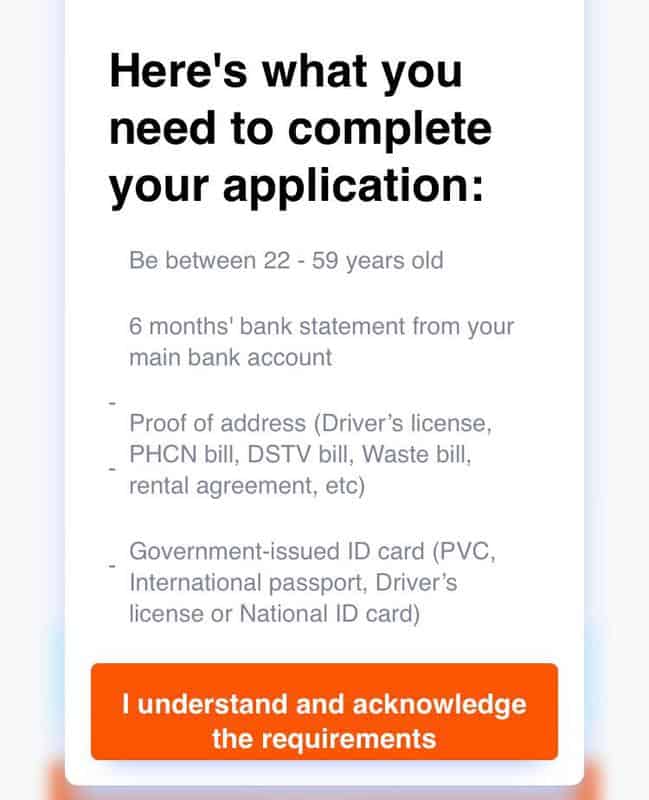
Renmoney loans are accessible to anyone between the age of 22 and 59.
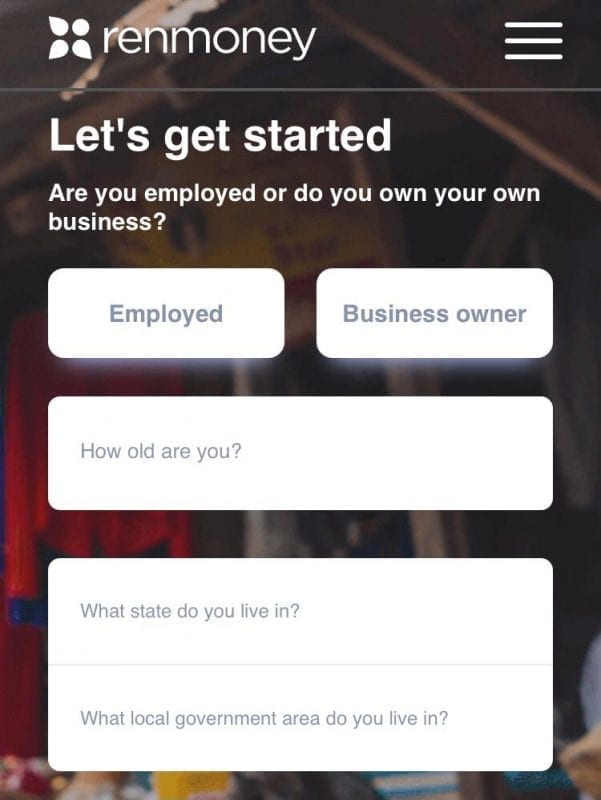
The first part of the form requires your employment details. Next, you fill your name and other details as proof of identity and address.
You’d notice there are two categories for employees and entrepreneurs. This would help Renmoney determine the kind of loan that is applicable to you.
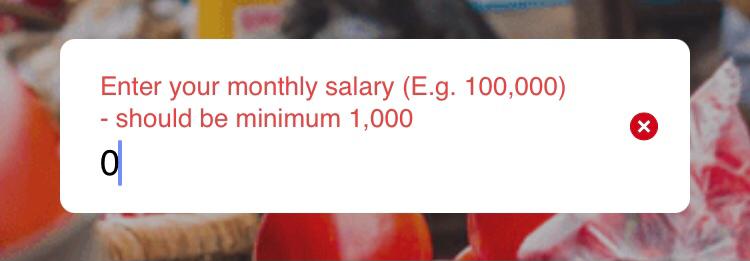
I applied for a loan as an employee. The meaning amount that you can enter as monthly salary is N1000.
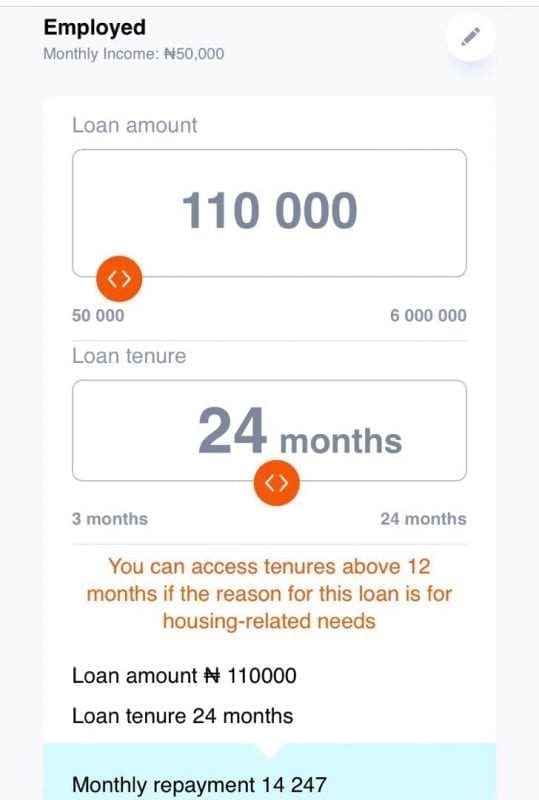
I entered an estimated salary of N50,000 and the site suggested a loan of N110,000 for a 24month tenure.
This does not imply that I am eligible for such loan.
You may have noticed red ink stating that: I can access loans outside the 12 months tenure if the purpose is for rent.
This implies that other loans may have a maximum 12 months tenure.
With a monthly repayment of 14,247, I’ll be paying a total of 231,928 in interest.
Renmoney does not out-rightly state it’s interest rate on any loan, rather it uses an inbuilt loan calculator to determine interest on loan.
After Choosing a loan amount and tenure you can move to step 2.
Step 2: Verify
Verify the information that you’ve provided.
More personal information is required at this point, including your ID number for whatever mode of identification you choose (but it’s optional).
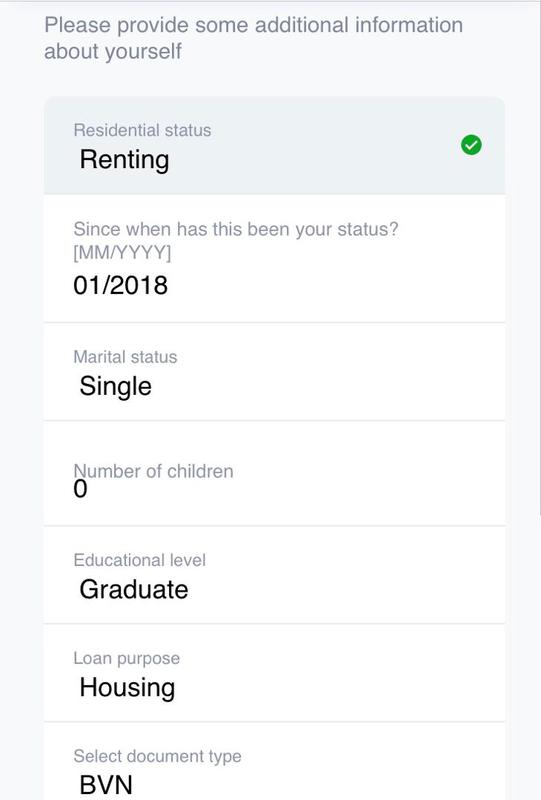
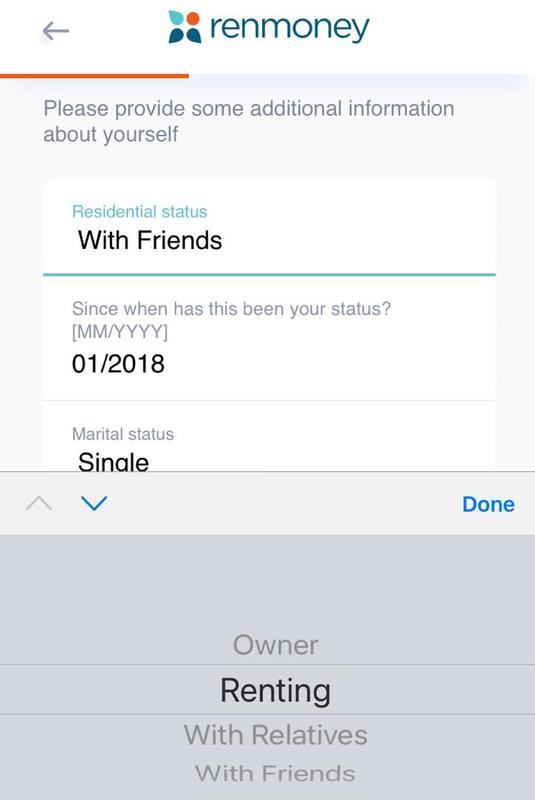
Renmoney would require your residential and marital status to enable them work out your financial responsibilities and advice on a suitable loan.
Upload a clear photograph or take a quick selfie for identification.
I did not get beyond this point, considering I didn’t need a loan in the first place.
However I got a call from a customer management staff offering to assist in completing the the form.
Step 3: Receive loan
I guess this is where the disgruntled reviews come in when people get loans way below their expectations.
Financial Institutions do not give loans in good faith. Understand that it’s a business risk, and they have to tread with caution.
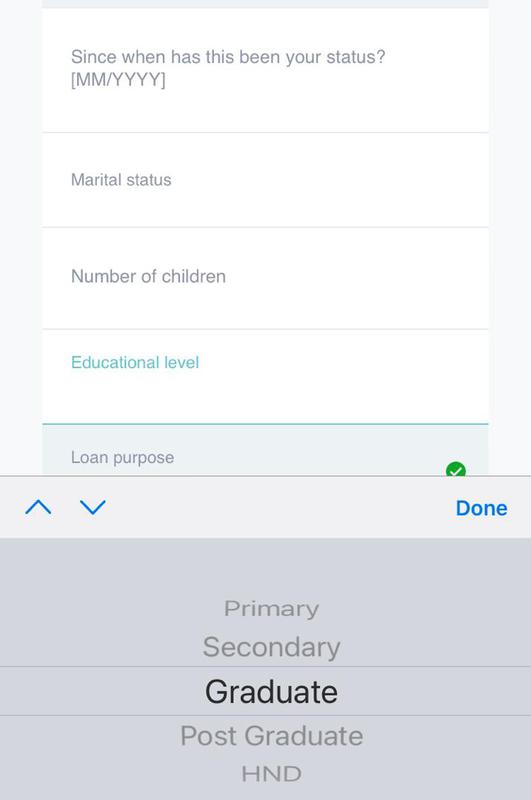
Here are other aspects of the form that could guide you on what to expect when applying for a loan from Renmoney.
Look through the questions in each image. Your answer might affect how you score. Work on improving your score.
You could set a financial target to reach your desired loan and work toward it.
Business requires planning. As you plan toward growing your business, prepare your business to be credible for loans.
Get money in your bank account within 24 hours if your loan is approved.
How to Get a Good Credit Score for Your Business
If you are a sole entrepreneur who multitasks your few staff or doubles as everything, the first step to creating a good credit score is by separating business from personal finance.
Keep proper financial records because Renmoney would request for a six months financial statement before granting a loan.
The financial institution measures your credit score through the use of algorithms that determine if you’re creditworthiness.
Most scoring models take into account your payment history on loans how long you’ve had accounts open, the types of accounts you have and how often you apply for new credit.
Pay your bills. It’s hard to measure bill payment in Nigeria, and most financial institutions request for your Power bill at the time of opening an account. Renmoney tracks the amount of money that enters your account against the mode of spending to determine if you’d be able to meet the monthly payments. That is why it’s good to keep proper bank records for your business. If you earn cash, ensure to make deposits into the account as proof of your actual financial capacity.
Don’t run your business account in the red. Set a minimum amount that must remain as a minimum balance every month. As a business owner with no real asset, your only asset is in the proof of consistent cash flow.
Old credit records. Some banks offer small loans to their customers. If you plan on taking a business loan in the next 6months, try applying for a small loan. It doesn’t have to be large and ensure you refund in time. This would boost your credit score. In the absence of such record, your loan may be significantly reduced to an amount that Renmoney considers borrowable.
Borrow now. Alternatively, you can start borrowing in small bits to build your credit score. As you repay loans, Renmoney increases the margin on the amount that can be borrowed to you.
Reviews
Before jumping into bed with any business, always consider a handful of reviews.
While the interface was great and my short talk with the agent went smooth, here are some reviews from other customers.
Note these reviews have been included in this post to help you make informed decisions when it comes to growing your business with renmoney.
Hello my name is Mrs folakem, I filled out all of my information and on the final stage to get approved they went numb, waiting for the so-called code up till now to finalize my activation and still haven’t heard anything, I just hope these guys aren’t fraudsters because I have given all of my information to them Useful Share
I wish there was a no star option, that is the best to describe the type of horrible service that this company dishes out to her customers. I have been a customer for over 14 Months and everything was going fine but just before the corona pandemic, i had financial crisis which then was worsened by the shutdown of the nation. Through out the lock-down i keep getting calls from different agents with various threats as if threats will yield money, i tried severally to know if those agents were calling from another planet other than earth, cos i believed everyone on earth knows what is going on has the world is almost completely shut down, they told they are on earth and infact in Lagos, to me that shows the level of wickedness of a company whose only interest is how to recoup their money not even taking into consideration the payment history of the customer. Its extremely sad that at a time every corporate organization is looking for ways to impact the people by means of preaching hope, all that matters to Renmoney is their money. Let me emphasize here that threats doesnt bring about money,compassion does. I will be unfair if i do not single out a particular lady who was exceptionally different ” Ester” she spoke well and kept on encouraging me that things will get better and yes its getting better and i have since began paying, by God’s grace i will soon finish my repayment and i will warn even the worst of my enemy not to near anything that starts with REN……Its been hell of an experience. I will nominate RENMONEY for an award for the company with the most heartless set of customer care team, i am confident that you will surely have no rival for the award.
Currently even having issues with renmoney , they claim you get your credit alert on or before 24hours, it’s just not true, the customer service is just inconsiderate, and some cases ill mannered.. They have no respect for client time, and they just switch off once the loan has been applied for and the payment mandate is placed on your account… Credit doesn’t come within 24hours as they advertise and their interest rates are high..i still have an uncredited loan as we speak, with a payment mandate on my account
Now you know what to expect when applying for a business loan on Renmoney. From Snapshots of loan forms to client reviews, this article provides a step by step guide to loan application and insight on improving your credit score.
The Minister of Finance, Budget and National Planning, Mrs Zainab Ahmed Tuesday said the federal government had released a total sum of N1.2 trillion for capital projects in the revised 2020 budget.
She added that as at the end of September, the sum N2.14 trillion had also been disbursed to cater for debt service obligations.
The minister said as at the end of August 2020, the FGN’s revenue available for budget funding (excluding Government-Owned Enterprises (GOEs) was N2.52 trillion, representing 71 per cent of the revenue target.
The revenue sources included N1.105 trillion from FGN share of oil revenues (representing 164 per cent performance, over and above the prorated sum in the revised 2020 budget).
She said non-oil tax revenues totalled N831.41 billion or 77 per cent of the revised target while Companies Income Tax (CIT) and Value Added Tax (VAT) collections were N447.52 billion and N117.75 billion, representing 82 per cent and 62 per respectively of the pro-rata revised targets for the period.
Customs collections were N266.14 billion (77 per cent of revised target) while Other revenues amounted to N583.82 billion, of which independent revenue was N281.81 billion.
On the expenditure side, N9.97 trillion was appropriated (excluding GOEs and project tied loans), while N6.25 trillion (representing 93.9 per cent of the pro-rata N6.65 trillion) was spent.
Ahmed said of the expenditure, N2.14 trillion was for debt service, and N2.18 trillion for Personnel cost, including Pensions, adding that as at the end of August 2020, N761.79 billion had been released for capital expenditure, rising to N1.2 trillion by the end of September 2020.
She, however, pointed out that to fund the proposed N13.08 trillion 2021 budget, several measures are being instituted to improve government revenue and entrench a regime of prudence with emphasis on achieving value for money.
She said: “The goal of fiscal interventions will be to keep the economy active through carefully calibrated regulatory/policy measures designed to boost domestic value-addition, de-risk the enterprise environment, attract external investment and sources of funding, etc.
“Improving the tax administration framework to optimize government revenue is a significant thrust of the Administration’s Strategic Revenue Growth Initiative (SRGI).
“We have included a Tax Expenditure Statement (TES) as part of documents accompanying the 2021 Budget to the National Assembly, which seeks to dimension the cost of tax waivers/concessions, and evaluate their policy effectiveness.
Tax expenditures (TEs) are currently estimated as (1) CIT N1.18tr, (2) VAT N3.1tr,
On Imports 64bn. Going forward, we will set annual ceilings on TEs to better manage their impact on already constrained government revenues.”
The federal government of Nigeria has concluded plans to ban the importation of Dairy milk from 2022. This development was made known by the Minister of Agriculture and Rural Development, Alhaji Muhammad Sabo Nanono on Tuesday.
He also pointed out that Nigeria has become Africa’s largest producer of rice and the largest producer of cassava in the world. These developments he noted was due to a range of policies and initiatives that the FG put in place to strengthen the rice and cassava value chains as we advance.
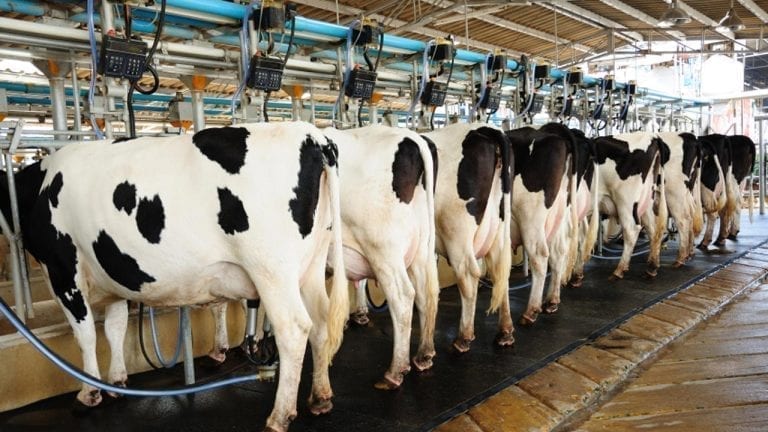
Speaking at a media briefing to mark the 2020 World Food Day celebration, he said: “We are planning in this ministry and watch my words, in the next two years we will ban the importation of milk into this country. And ask me why: we have 25 million cows in this country to produce five million litres per day.
The issue is now logistics which we have started by setting up milk processing plants across the country. I see no reason why we should import milk in the next two years. We should stop the importation of milk.”
He also said that an outright ban would also be considered for the importation of fish.
Also commenting on concerns about the increasing prices of food commodities in the country, Nanono said, “In the next two, three months, most of the prices will level off to a more comfortable level adding that the price of Milled rice is expected to reduce to between N14, 000 and N15,000.
He said: “We anticipated the reduction in the price of rice.” He further disclosed that his ministry had distributed inputs in all the states of the federation to boost food production this year, since the commencement of the farming season.
The minister said last year, the country recorded a boost in the production of major staple crops, pointing out that Maize and rice production rose from 12.8 million metric tonnes (MMT) and 12.3MMT to 13.94MMT and 14.28 MMT respectively.
He added that cassava production also increased from 58.47 MMT in 2018 to 73.91MMT– and further projected to rise to 93.6MMT by 2023.
He said The country had also recorded growth in groundnut, tomatoes, and sorghum production adding that cattle beef, milk and fish production also rose by 166 per cent, 146 per cent and 11 per cent respectively between 2018 and 2019.
Nanono maintained that significant progress had also been made to improve agricultural productivity since the inception of the present administration.
He said through various policy initiatives; the ministry had been able to raise the country’s national food reserve stock to 109,657 metric tons, adding that the figure is expected further increased to 219,900 MT by the end of 2020.
The minister also said that the administration of President Muhammadu Buhari in not resting on its oars in addressing challenges of the country’s agricultural sector.
He said the federal government through the Agro Processing Productivity Enhancement, and Livelihood Improvement Support Project (APPEALS) had set aside N600 billion as loan support to farmers across the country.
As a result, he said no fewer than 2.4 million farmers are expected to benefit from the loan at zero interest rate.
According to him: “The gesture will support farmers in the country to improve their productivity aimed at boosting the country’s agricultural sector.
“The support was to complement the federal government policy on agriculture, which include promoting food security, improving farmers production and also increasing exportation.”
The minister further called for massive investment in the sector, if the agriculture must be made more productive and sustainable.
He said such investment would help the country to quickly rise to the call against looming food crisis as already predicted by the World Bank, the Food and Agriculture Organisation (FAO) and the African Development Bank (AfDB).
Nanono also pointed out that to mitigate the impacts of COVID-19 on the country’s food security, he had approved the setting up of a seven-member joint technical task team on emergency response to the pandemic.
According to him, the team which was replicated nationwide had helped in facilitating the free and unhindered movement of farmers, food, livestock and agricultural inputs across the country during the lockdown.
He said on the orders of Buhari; his ministry had coordinated the release of over 70,000 MT of grains to vulnerable Nigerians to cushion the effects of the pandemic. He said hundreds of thousands of hectares of rice, Maize, sorghum including livestock and fisheries had been affected by flood devastation this year.
The minister said a special committee had been set up by the ministry to act on the emerging flood issues and come up with strategies to minimize its effects on agricultural production to avert food crisis and ensure sustainable food security for the country.
He noted that the ministry had already finalized a comprehensive flood mitigation and resilience plan for the affected farming communities nationwide for consideration and approval by President Buhari.
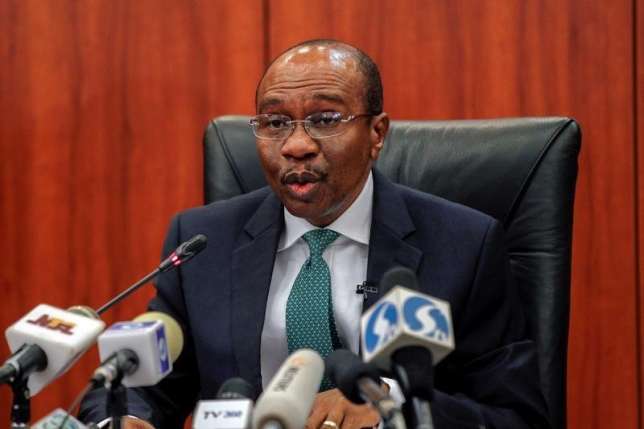
The Governor of the Central Bank of Nigeria (CBN), Mr. Godwin Emefiele, on Monday assured that relief materials mobilised under the apex bank-led private-sector Coalition Against COVID-19 (CACOVID) would be distributed to all parts of the country.
Speaking during the official flag-off of the CACOVID food relief programme for Federal Capital Territory (FCT), he said, “We will make sure this relief goes round and felt in every part of the country”.
He said there had been lots of initiatives by the financial sector since the emergence of COVID-19 in the country adding that the food relief programme was yet another critical aspect of its interventions to moderate the impact of the pandemic on, particularly vulnerable Nigerians.
Emefiele added that the banks had been working closely with both the federal and state governments to bring about the much-needed relief to contain the pandemic and its effect across the country.
Represented by the Executive Director, First Bank of Nigeria Plc, Alhaji Abdullahi Ibrahim, the CBN governor pointed out that “as responsible institutions, we have a very important role to play in bringing about the much-needed relief to our people”.
He said: “We have a programme for each part of the country, and I can assure you that it is fairly representative of each environment.”
Emefiele said the initiative had been spearheaded by the CBN working with the federal government to “bring about the much-needed help to especially the most vulnerable in the society.”
The food items include 30,541 bags of rice, 30,541 cartons of pasta, 61,082 cartons of noodles, 30,541 sachets of sugar, 30,541 sachets of salt and 30,541 bags of Semovita.
Also speaking at the ceremony, the Minister of State for the FCT, Dr. Ramatu Aliyu, while receiving the food items on behalf of the FCT administration expressed profound appreciation to the entire leadership and members of CACOVID for the laudable humanitarian intervention.
She said the initiative in all its dimensions is worthy of commendation, “because it is contributing significantly to reducing the spread of the disease and its multifaceted consequences, especially on the vulnerable among us.”
The minister further said that in line with the intervention objectives of the CACOVID relief programme, the FCT administration has constituted the distribution committee at all levels, adding that – “We are committed to ensuring that the items donated get to the target beneficiaries according to the stipulated qualities for each beneficiary households.”
Represented by her Senior Special Assistant on Administration and Strategy, Prof. Muhammad Usman, Aliyu said, “If there’s anything we have learnt in the fight against COVID-19, it is the realisation that working together we can conquer any challenge that threatens our collective well-being. Let us keep this conquering spirit as we strive to build a safe and prosperous nation for all.”
The Chairman, Revenue Mobilisation Allocation and Fiscal Commission (RMAFC), Mr. Elias Mbam Monday disclosed that the sum of N474 million had been recovered into the federation account from Guinness Nigeria PLC as unremitted excise duty.
He said the development was part of the progress recorded by the commission’s verification exercise on selected manufacturing companies which had failed to pay excise duty into the government account.
In a statement by the commission’s Public Relations Officer, Mr. Nwachukwu Christian, Mbam further stressed the need to give adequate attention to excise duty payments by the players in the manufacturing industries to help increase revenue inflow to the federal government.
He further called for the strengthening of collaboration between Nigerian Custom Excise and RMAFC.
While commending the in-house Committee on Customs Revenue monitoring, he maintained that excise duty is one of the major revenues collected by the Nigerian Custom Service into the federation account which is currently recording low revenue generation because of non-compliance by some manufacturing companies.
In his remarks, the Comptroller General of the Nigerian Customs Service, (NCS), Col. Hameed Ibrahim Ali (Rtd), commended the commission’s effort in the exercise of its oversight functions leading to the recovery of such unremitted revenue accruable to the government.
He further solicited for RMAFC’S continued inter-agency collaboration in recovering of federal governments unremitted revenues, urging the commission to continue its effort in blocking revenue leakages.
The RMAFC had recently announced that it was partnering with security agencies to embark on the verification exercise to recover outstanding revenues into the federation account.
The Nigerian youth can now breathe a sigh of relief from what has become a nightmare to their lawful activities. This is following information reaching us that the Inspector-General of Police, Mohammed Adamu, has finally announced total disbandment of the Federal Special Anti-Robbery Squad of the Nigeria Police Force.
He said the operatives will be redeployed to other police formations and commands.
Adamu announced this in a live broadcast on Sunday afternoon.
This development after days of nationwide protests against the brutality and extra-judicial killings by the SARS operatives nationwide.
At the briefing, the IGP said, “The Federal Special Anti-Robbery Squad of the Nigeria Police Force otherwise known as SARS is hereby dissolved in all the 36 State Police Commands and the Federal Capital Territory.”
We do hope that this recent announcement of the top echelon on the Nigerian Police Force would be taken seriously by the ranks and file of the force.
The president Buhari led administration has resolved to stop the payment of University staff that are not enrolled on its payroll system – the Integrated Personnel and Payroll Information System (IPPIS), effective November 2020.
This notice was contained in a letter from the Office of the Accountant General of the Federation (OAGF), dated October 8, and signed by the Director of IPPIS, Dr. Nsikak Ben and addressed to all vice chancellors.
The letter which was made available to journalists yesterday stated that such staff will cease to receive salaries until they are properly enrolled on the platform.
“Personnel cost is still our largest single item of expenditure. In the seven months to 31 July, 2020, it accounted for 34 percent of total federal government spending and is projected at 33 percent of 2021 expenditure,” the president said.
The correspondence with the title, “Stoppage of Salaries of University Staff that are yet to be Enrolled on IPPIS Platform”, read: “I am directed to inform you that any Staff of your Institution who has not enrolled on the Integrated Personnel and Payroll Information System (IPPIS), either as a result of Study Leave (with pay), maternity leave or on medical ground, will no longer appear on the IPPIS payroll with effect from November, 2020 payroll except such Staff presents himseif/herself for the biometric data capture at the Office of the Accountant-General of the Federation (OAGF), Abuja with an introduction letter/IPPIS Enrollment forms duly endorsed by the principal authorities of the institution.”
It stated further: “In addition, all supporting documents should include evidence of six months salary bank statement. In view of the above, kindly inform your staff in this category to urgently avail themselves for the biometric data capture at the OAGF. However, exemption may only be given where institutions provide evidence of study leave, stating the duration, to justify such persons being retained on the payroll.
Please accept the assurances of the warm regards of the Accountant-General of the Federation.”
The interactions between the federal government and the university staff under the Academic Staff Union of Universities (ASUU) had deteriorated recently over the objection of the latter to be enrolled on the IPPIS payment platform which the government said would help it cut waste and corruption in public service. A move with its core focus on eliminating ghost workers as well as helping to have an accurate number of its actual workforce.
ASUU had maintained that the IPPIS will retard progress in the educational system because of the peculiar nature of its operations and asked for an exemption.